Skip to content


 Because Tennessee has warm summers and cool fall weather, these beetles gather quickly and often spend winter inside homes across the region.
If you want to prevent an Asian lady beetle infestation in Chattanooga, TN, the best time to prepare is before fall temperatures drop. Many homeowners also seek Asian lady beetle control in Chattanooga, TN, during this time to stay ahead of the rising activity.
In this guide, we will show you how to spot Asian lady beetles, why they gather in Chattanooga, how to close common entry points, and which control methods work best. We will also explain when it is time to call Waynes Pest Control for Fall Invader Pest Control service to protect your home for the entire winter season.
Because Tennessee has warm summers and cool fall weather, these beetles gather quickly and often spend winter inside homes across the region.
If you want to prevent an Asian lady beetle infestation in Chattanooga, TN, the best time to prepare is before fall temperatures drop. Many homeowners also seek Asian lady beetle control in Chattanooga, TN, during this time to stay ahead of the rising activity.
In this guide, we will show you how to spot Asian lady beetles, why they gather in Chattanooga, how to close common entry points, and which control methods work best. We will also explain when it is time to call Waynes Pest Control for Fall Invader Pest Control service to protect your home for the entire winter season.
Key Takeaways
Protection Calendar · Asian lady beetlesChattanooga, TN
Asian lady beetle season in Chattanooga, TN
Tracks when Asian lady beetles leave summer habitats and push into homes seeking warmth for the winter. Darker shields mean heavier activity.
J
F
M
A
M
J
J
A
S
O
N
D
Peak: Oct–Nov, mass aggregation on sun-warmed structures as temperatures drop
Off Jan–AugLow Sep, DecPeak Oct–Nov
Waynes builds year-round protection across the Southeast, backed by 50 years and the EPA Pesticide Environmental Stewardship Program. Every little thing matters. A LOT.
- Asian lady beetles gather in large numbers on sunny walls around Chattanooga homes in the fall.
- Caulking, weatherstripping, and fixing window screens help block entry points.
- A vacuum with a bag removes beetles without stains or odor.
- Waynes Pest Control Fall Invader Pest Control service protects Chattanooga homes from seasonal pests like Asian lady beetles.
Understanding Asian Lady Beetles In Chattanooga
Asian lady beetles are also known as Harmonia axyridis. They look like native ladybugs but act very differently. Their colors range from yellow to orange. Some have black spots, while others have none. Many show a small M-shaped mark near the head. Regular ladybugs stay outside all year, but Asian lady beetles gather on homes and move indoors to spend winter in wall voids and attic spaces. Once inside, they can leave behind black spots and strong smells that may be tough to clean. They are more aggressive than native ladybugs and use scent signals to call other beetles. These behaviors explain why homeowners sometimes find large groups on one side of the house during warm fall afternoons. Because they behave like other fall invaders, such as stink bugs, we offer a Fall Invaders pest control service for Chattanooga homes. This service includes Asian lady beetle control and helps spot early beetle activity.Why Asian Lady Beetles Gather Around Chattanooga Homes
Chattanooga has wooded hills, open fields, and river areas. These places are full of aphids, which Asian lady beetles eat. During spring and summer, beetles stay outside and feed on aphids and scale insects. The U.S. Department of Agriculture initially introduced Asian lady beetles to help farmers control aphid populations. But they are now considered unwelcome “ladybugs” due to their behavior. When fall arrives, they start looking for warm places to spend winter. They gather in neighborhoods in East Brainerd, Ooltewah, and Red Bank, as well as in nearby cities such as Cleveland, Knoxville, and Nashville. Asian lady beetles often gather around homes that have:- Light-colored siding that warms up fast
- Sunny south- or west-facing walls
- Small cracks in siding or trim
- Older wood frames with crevices
- High aphid activity
- Nearby open fields or wooded areas
Early Signs Of An Asian Lady Beetle Infestation
Finding early signs helps homeowners stop beetles before they settle inside. Most activity starts outdoors when the sun warms the house. Asian lady beetles follow heat and light, so activity tends to increase along rooflines, doors, and siding. Outdoor signs include:- Groups of beetles on the siding
- Beetles moving along the trim or window frames
- More beetles on sunny walls
- Beetles crawling up toward attic lines
- Beetles near lights or ceiling corners
- Yellow or black stains on the walls
- Beetles under window frames
- Extra activity on warm winter days
How Asian Lady Beetle Infestations Develop
To prevent an Asian lady beetle infestation in Chattanooga, TN, it helps to understand how these beetles move throughout the year. Knowing how they behave can help you gear up for fall invaders. One thing you need to keep in mind is that their activity depends on temperature changes. Asian lady beetles gather outside in the fall and overwinter in quiet spaces, such as siding gaps and attics. Here is their simple yearly pattern:- Warm months: They feed on aphids and other insects.
- Early fall: They gather on sunny walls in large numbers.
- Late fall: They look for cracks and entry points.
- Winter: They overwinter in wall voids and attics.
- Warm days: They appear indoors again.
How To Prevent Asian Lady Beetles From Entering Your Home
If you want to keep your home pest-free in the fall, sealing openings early is the most important step. You can keep Asian lady beetles from entering your home by:- Inspect your house’s siding, window gaps, attic openings, and spots where pipes and wires enter your home.
- Look for cracks and seal them with caulk, especially around windows, trim, and siding joints.
- Fix torn window screens and replace worn weather stripping so doors close tightly. Add door sweeps if needed.
- Check soffits, vents, crawl-space openings, and rooflines for any crevices that still need to be sealed.
How To Get Rid Of Asian Lady Beetles Indoors
If beetles get inside, you can remove them safely without causing stains or smells. Crushing them releases yellow fluid and a strong odor, so avoid squishing them. The cleanest way to remove them is simple:- Use a vacuum with a bag
- Empty the bag outside
- Do not crush beetles on walls or ceilings
- Check window undersides and ceiling corners for hiding spots
DIY Prevention Vs. Professional Pest Control
DIY steps can help reduce beetles, but they often cannot stop the problem completely. Asian lady beetles return every fall unless you seal all openings. Many homeowners struggle to seal tiny entry points, especially in older Chattanooga houses. Professional help becomes more effective when:- Beetles gather in large numbers
- They appear indoors during winter
- They settle into wall voids
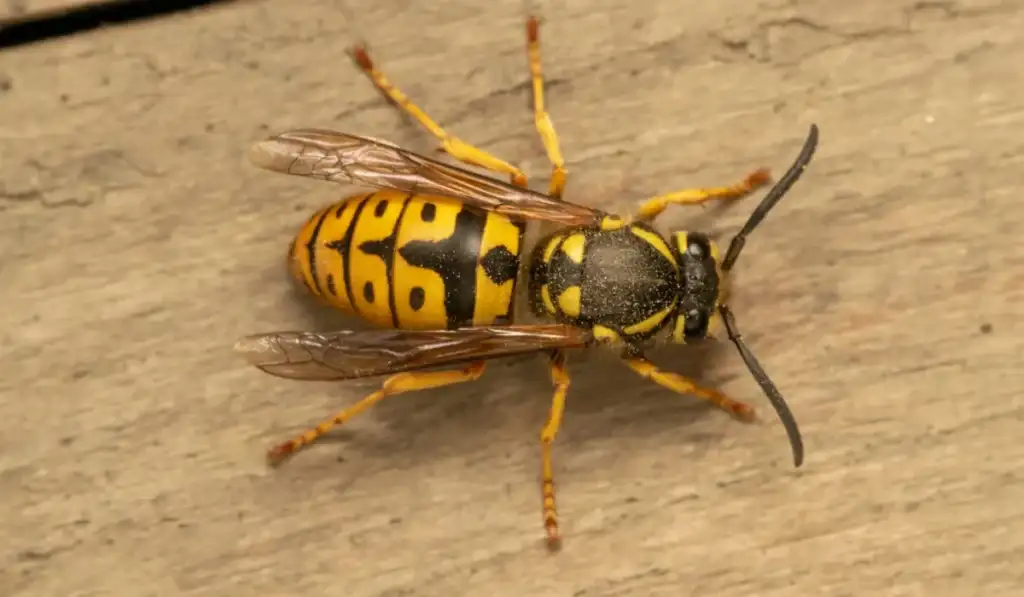
- You see other fall invaders, such as stink bugs or wasps, at the same time