Skip to content

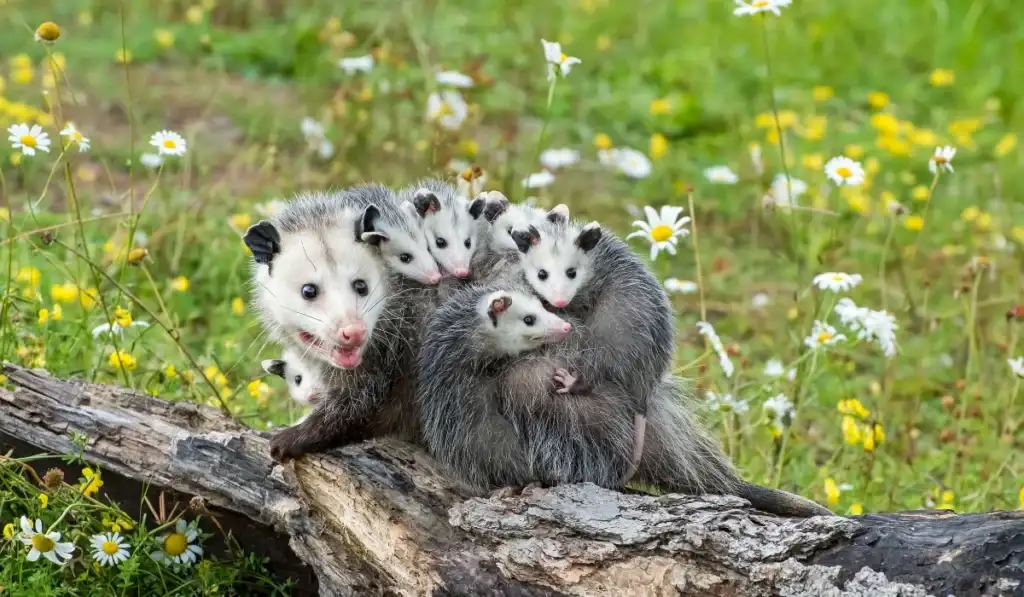
An opossum in Florida is usually a Virginia opossum, the state’s only marsupial. These animals are common around wooded areas, water sources, neighborhoods, gardens, sheds, crawl spaces, and yards where food or shelter is easy to find.
Opossums are mostly nocturnal and often avoid people, but they can become a nuisance when they get into garbage, eat pet food, shelter under homes, or make repeated visits near patios, garages, and crawl spaces.
Key Takeaways
- The Virginia opossum is Florida’s only marsupial.
- Opossums are nocturnal, opportunistic, and common in urban areas.
- They may visit yards for garbage, pet food, fruit, insects, or shelter.
- Activity under homes, sheds, decks, or crawl spaces should be inspected.
- Waynes provides wildlife removal services in select Florida Panhandle locations.
What Does an Opossum Look Like?
The Florida Fish and Wildlife Conservation Commission opossum profile describes the Virginia opossum as Florida’s only marsupial. It has grayish-white fur, a pointed snout, small naked ears, and a long naked tail.
Common identification clues include:
- Grayish-white or dark gray fur
- Pointed white face
- Long, hairless tail
- Small, rounded ears
- Pink nose
- Body about the size of a house cat
- Slow, cautious movement
- Nighttime activity
Opossums may look intimidating when they show their teeth, hiss, or freeze, but those behaviors are usually defensive. They are not animals to corner, grab, or handle.
Opossum or Possum?
In Florida, people often say “possum,” but the correct name for the North American animal is opossum. The animal most homeowners see is the Virginia opossum, Didelphis virginiana. It is different from the possums found in Australia and nearby regions.
For homeowner purposes, the important part is simple: if you see a gray, cat-sized animal with a pointed face and a long hairless tail in a Florida yard at night, it is probably an opossum.
Where Opossums Live Around Florida Homes
Opossums prefer areas with cover, food, and water. They are common in woodlands, but they also adapt well to neighborhoods and developed areas.
The UF/IFAS Wildlife of Florida opossum factsheet notes that opossums do not dig their own burrows. Instead, they use shelter such as hollow logs, rock piles, woodpiles, barns, abandoned buildings, old nests, and burrows made by other animals.
Around homes, they may shelter in:
- Crawl spaces
- Under decks
- Under sheds
- Woodpiles
- Brush piles
- Garages
- Barns or outbuildings
- Dense shrubs
- Hollow logs or tree cavities
- Openings under porches
If an opossum keeps returning to the same space, there may be food, water, or shelter keeping it close to the property.
What Do Opossums Eat?
Opossums are opportunistic omnivores. They eat a wide range of plant and animal foods, which is why they adapt so well to neighborhoods.
The UF/IFAS nuisance wildlife guidance explains that raccoons, skunks, and opossums are well-adapted to urban environments and will eat available plant, insect, or animal foods.
Common attractants include:
- Garbage
- Pet food
- Fallen fruit
- Garden produce
- Insects
- Snails and slugs
- Compost
- Birdseed
- Carrion
- Food scraps
- Outdoor water sources
A yard does not have to be messy to attract opossums. Even one open trash can, pet bowl, or fruiting tree can keep them coming back.
Are Opossums Dangerous?
Opossums usually try to avoid people. Still, they are wild animals and should be treated with distance and caution. Do not attempt to pick one up, corner it, trap it without knowing the rules, or handle one that appears sick, injured, or dead.
Possible concerns include:
- Bites or scratches if handled or cornered
- Fleas, ticks, or other parasites
- Droppings near patios, decks, or crawl spaces
- Odors from nesting or shelter areas
- Damage to insulation or materials if they enter structures
- Stress for pets that find or chase them
- Attracting other pests to the same food sources
If an opossum is under the home, inside a garage, or repeatedly appearing near people or pets, professional inspection is safer than trying to remove it yourself.
Why Opossums Come Into Yards
Opossums usually enter yards because something useful is available. In most cases, the attractant is food, shelter, or water.
Common reasons include:
- Trash cans without tight lids
- Pet food left outside overnight
- Fallen fruit under trees
- Open compost
- Dense brush or debris
- Crawl space openings
- Gaps under sheds or decks
- Outdoor water bowls
- Birdseed on the ground
- Easy access from wooded edges
The FWC recommends securing garbage cans with straps and bringing pet food indoors at night to help avoid attracting opossums.
Opossums Under the House, Deck, or Shed
An opossum under a structure should be handled carefully. The animal may be using the space as temporary shelter, but it may also return if the opening remains available.
Signs may include:
- Scratching or movement at night
- Odor near crawl spaces or decks
- Droppings near entry points
- Disturbed insulation or debris
- Pets staring, barking, or sniffing at one area
- Tracks in soft soil near a gap
- Repeated nighttime sightings
Do not seal an opening until you are sure no animal is inside. Blocking wildlife inside a crawl space, wall void, or shed can create a larger problem.
Opossum Breeding and Young
Florida opossums can reproduce more than once a year. UF/IFAS notes that females usually have one or two litters per year, with young most commonly born between February and June, though breeding can continue later in the year.
Young opossums spend early development in the mother’s pouch, then ride on her back before dispersing. If you see a mother with young, keep your distance and call a wildlife professional if they are sheltering in or under the home.
How to Reduce Opossum Activity Around Your Home
Opossum prevention starts with removing what brings them close to the structure.
Helpful steps include:
- Secure trash cans with tight lids.
- Bring pet food indoors at night.
- Pick up fallen fruit.
- Clean up food scraps after outdoor meals.
- Keep compost covered.
- Remove brush piles and clutter near the home.
- Store firewood off the ground and away from the house.
- Keep crawl space and shed openings sealed after inspection.
- Repair gaps around decks, porches, and foundations.
- Avoid feeding wildlife.
These steps also help reduce raccoons, rodents, insects, and other nuisance pests that are attracted to the same conditions.
Wildlife Rules Matter in Florida
Wildlife removal is regulated, and relocation rules can be specific. The FWC’s nuisance wildlife FAQs explain that nuisance wildlife may not be released on federal, state, county, local, or private lands without written permission from the landowner.
That is one reason professional help matters. Wildlife control should be handled safely, humanely, and legally, especially when an animal is inside or under a structure.
When to Call Waynes
Call us if an opossum is under your home, entering a crawl space, damaging materials, getting into garbage, or returning to the same shelter area. Waynes provides professional wildlife removal services in Alabama, Mississippi, Tennessee, and Florida, including Fort Walton Beach, Panama City, and Port St. Joe.
Our team starts with a complete inspection, looks for wildlife signs and entry points, removes wildlife safely and humanely, and helps seal access points to reduce future problems.
For Florida Panhandle homeowners, Waynes also provides pest control services in the Florida Panhandle for pests and nuisance wildlife concerns around the home. If you need help with opossum activity, contact Waynes for a quote.
FAQs About Opossums in Florida
Are opossums common in Florida?
Yes. Virginia opossums are common in Florida and are found in wooded areas, neighborhoods, yards, gardens, and urban spaces where food, water, and shelter are available.
Are opossums the same as possums?
In Florida, people often say “possum,” but the animal is technically an opossum. The Virginia opossum is the species homeowners usually see.
Why is an opossum in my yard?
Opossums usually visit yards for food, water, or shelter. Garbage, pet food, fallen fruit, compost, birdseed, crawl space openings, and dense cover can all attract them.
Should I remove an opossum myself?
No. Avoid handling or trapping wildlife yourself. Opossums are wild animals, and Florida wildlife rules can affect removal and relocation. Call a wildlife professional when activity involves a structure, repeated visits, or safety concerns.
Does Waynes remove opossums in Florida?
Waynes provides wildlife removal services in select Florida Panhandle locations, including Fort Walton Beach, Panama City, and Port St. Joe. We inspect first, identify activity and entry points, and recommend the right next step.