Skip to content


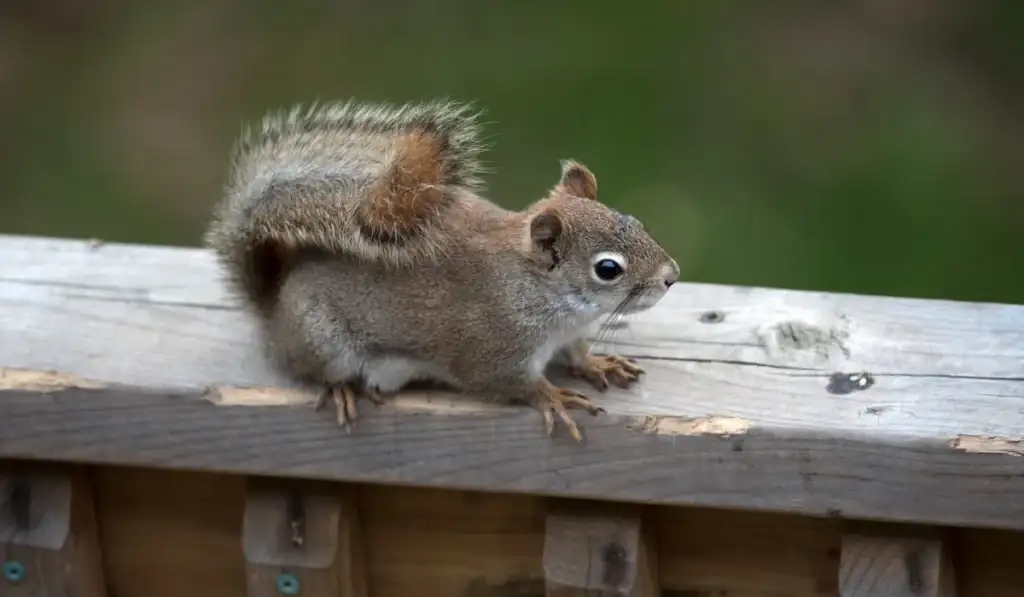
A Mississippi squirrel may look harmless in the yard, but squirrels can become a real problem when they move into attics, walls, soffits, rooflines, or crawl spaces. In Mississippi, gray squirrels and fox squirrels are the two tree squirrels homeowners are most likely to notice.
Their behavior changes with the season as food, nesting needs, and breeding activity shift. Knowing what you are seeing can help you tell normal outdoor squirrel activity from a wildlife issue that needs attention around your home.
Key Takeaways
- Gray squirrels and fox squirrels are common Mississippi tree squirrels.
- Squirrels change their feeding and nesting behavior by season.
- Young are commonly born in winter and summer breeding periods.
- Scratching, chewing, droppings, nests, and attic noises can point to a home intrusion.
- Waynes provides professional wildlife removal in Mississippi service areas.
Common Mississippi Squirrels to Identify
Mississippi homeowners are most likely to see gray squirrels and fox squirrels around neighborhoods, wooded lots, parks, and properties with mature trees. Both species eat nuts, seeds, fruits, fungi, insects, buds, and other seasonal foods.
The Mississippi State University Extension guide to ecology and management of squirrels in Mississippi explains that gray and fox squirrels use many food sources, including mast from oak, hickory, beech, pecan, and black walnut trees.
Gray Squirrels
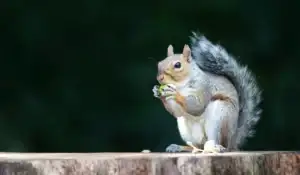
Gray squirrels are usually smaller and more agile-looking than fox squirrels. They are often gray with a lighter underside, though color can vary. They are strongly associated with hardwood areas, mature trees, and neighborhoods with connected tree canopies.
Common gray squirrel traits include:
- Gray or gray-brown fur
- Lighter belly
- Long, bushy tail
- Quick movement through trees
- Frequent activity near oaks, pecans, and other mast-producing trees
- Nesting in tree cavities or leafy nests
Gray squirrels are comfortable around people and may use fences, roofs, branches, and utility lines to move through residential areas.
Fox Squirrels
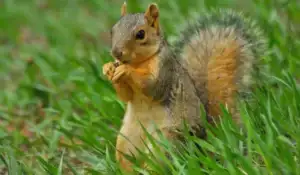
Fox squirrels are usually larger than gray squirrels and may look heavier-bodied. Their coloring can vary, but many have reddish, orange, tan, gray, or mixed tones. They are often seen in more open woodland edges, parks, fields with scattered trees, and properties with large trees.
Common fox squirrel traits include:
- Larger body than a gray squirrel
- Rusty, orange, tan, gray, or mixed coloring
- Long, full tail
- More ground movement than many gray squirrels
- Use of open woods, tree lines, and mixed habitats
A large squirrel moving across a lawn or fence line may be a fox squirrel, especially if the body looks bulky and the coloring is warmer than a typical gray squirrel.
Seasonal Squirrel Behavior in Mississippi
Squirrels are active all year in Mississippi, but their behavior changes as food availability and nesting needs shift.
Mississippi State University Extension notes that both gray and fox squirrels have two major breeding periods in Mississippi. Young from the winter breeding period are born January through March, and young from the summer breeding period are born June through August.
Winter
In winter, squirrels rely heavily on stored foods and hard mast such as acorns, pecans, and hickory nuts. They may also seek warmer, protected nesting areas.
Around homes, winter activity can become noticeable when squirrels explore:
- Attics
- Roof gaps
- Soffits
- Chimney areas
- Wall voids
- Tree limbs touching the roof
- Openings around vents or fascia
If you hear scratching or movement overhead in winter, especially during daylight hours, a squirrel may be using your home for shelter or nesting.
Spring
Spring brings more plant growth, tender leaves, buds, flowers, and insects. Squirrels may become more visible in yards and trees as they feed and move around nesting areas.
Spring is also when homeowners may notice damage left behind from winter activity. That can include chewed entry points, insulation disturbance, nesting material, or droppings in attic spaces.
Summer
Summer is an active season for squirrels in Mississippi. The second major breeding period can lead to young being born from June through August. Squirrels may also spend more time feeding during cooler parts of the day when heat is less intense.
Homeowners may notice:
- More chasing through trees
- Increased movement across roofs and fences
- Chewing near rooflines
- Activity around fruit or nut trees
- Noises from attic spaces if nesting is already established
If squirrels are already inside a structure, summer removal should be handled carefully because young may be present.
Fall
Fall is one of the most visible squirrel seasons. Squirrels gather and store nuts, seeds, and other foods. Activity may increase around oaks, pecans, hickories, walnuts, and other food-producing trees.
Around homes, fall is a good time to inspect for openings before cooler weather increases shelter-seeking behavior. Look for gaps around vents, soffits, fascia boards, roof returns, chimneys, and attic access points.
Signs Squirrels Are Inside Your Home
Outdoor squirrel activity is normal. The concern starts when squirrels find a way into the structure.
Watch for:
- Scratching, scurrying, or chewing noises in the attic or walls
- Sounds during daylight hours
- Chewed soffits, fascia, vents, or roof edges
- Droppings in attic spaces
- Nesting material near insulation
- Damaged insulation
- Gnaw marks on wood, wires, or stored items
- Pets staring at the ceiling or attic access
- Repeated squirrel activity on the same roofline
Waynes’ professional wildlife removal services page explains that scratching, rustling, thumping sounds, droppings, damage, unexplained odors, and nervous pets can all point to unwanted wildlife activity in the home.
Why Squirrels Enter Attics and Walls
Squirrels enter homes for shelter, warmth, nesting space, and protection from predators. Attics and wall voids can mimic tree cavities, especially when a roof gap gives easy access.
Common entry points include:
- Gaps in soffits or fascia
- Roof vents
- Attic vents
- Chimney gaps
- Loose flashing
- Damaged roof returns
- Openings around utility lines
- Overhanging branches near the roofline
Once inside, squirrels can chew wood, insulation, and wiring. Waynes’ Columbus, MS wildlife removal page notes that squirrels can damage attics or walls by chewing wires, insulation, and wooden structures, and that removal should include sealing entry points.
Are Squirrels Dangerous?
A squirrel outside is usually not a direct threat. A squirrel inside the home is different. Wildlife can damage property, contaminate spaces, bring fleas or other pests, and behave defensively if trapped or separated from young.
Avoid trying to grab, corner, or trap squirrels without help. A frightened squirrel can bite or scratch, and sealing an entry point too early can trap animals inside the home. If you suspect young squirrels are present, timing and inspection matter.
How to Reduce Squirrel Problems Around Your Home
Squirrel prevention focuses on access, food, and shelter. You do not need to remove every tree near your home, but you should reduce easy routes to the roof and close openings before squirrels use them.
Helpful steps include:
- Trim branches back from the roofline when possible.
- Check soffits, fascia, vents, and roof edges for gaps.
- Repair damaged screens and vent covers.
- Keep attic and crawl space access points sealed.
- Store bird seed and pet food in sealed containers.
- Avoid leaving loose food outside.
- Keep garbage lids secured.
- Inspect rooflines before winter and after storms.
- Do not seal an active entry point until wildlife has been removed.
These steps are especially important if you have mature trees, pecan trees, wooded edges, or a history of attic wildlife activity.
When to Call Waynes
Call us if you hear scratching in the attic, see squirrels entering the roofline, find chewed openings, or suspect nesting inside your home. Squirrels are easier to handle when the entry points and nesting areas are identified early.
At Waynes, our wildlife removal team inspects the home, identifies entry points, removes the animal safely and humanely, and focuses on exclusion to help keep wildlife from coming back. Our wildlife removal service areas include Mississippi locations such as Biloxi and Columbus.
If squirrel activity is happening around your roof, attic, walls, or crawl space, contact Waynes to request help and get a plan based on what is actually happening at your home.
FAQs About Mississippi Squirrels
What squirrels are common in Mississippi?
Gray squirrels and fox squirrels are the main tree squirrels homeowners are likely to notice in Mississippi. Gray squirrels are usually smaller and more agile, while fox squirrels are typically larger and may have warmer reddish or tan coloring.
When do squirrels have babies in Mississippi?
Gray and fox squirrels in Mississippi have two major breeding periods. Young from the winter breeding period are born January through March, while young from the summer breeding period are born June through August.
Why are squirrels running on my roof?
Squirrels often use roofs as travel routes, especially when tree limbs touch or overhang the home. Repeated roofline activity may also mean they have found an entry point into the attic or soffit.
What does a squirrel in the attic sound like?
Squirrels often make scratching, chewing, scampering, or thumping sounds. Because they are active during the day, noises in the morning or afternoon can be a clue.
Does Waynes remove squirrels in Mississippi?
Yes. Waynes provides wildlife removal in Mississippi service areas, including Biloxi and Columbus. Our team can inspect for squirrel activity, remove animals safely and humanely, and seal entry points to help prevent re-entry.