Insights, Tips, and Tales

Low Maintenance Trees and Shrubs that Will “Spruce” Up Your Yard

White mosquito silhouette with a dashed curved flight path on a green background

Low Maintenance Trees and Shrubs that Will “Spruce” Up Your Yard

Does your yard need a little more personality? We love to talk about how Waynes can make your lawn a beautiful “sea of green,” but the occasional tree or shrub can take your yard from well-groomed to eye-catching.

Landscaping doesn’t have to add a lot of work to your lawn care routine! We compiled a list of some of the southeast’s favorite low-maintenance trees and shrubs to help “spruce” up your yard.


Japanese Maple Trees

Japanese maple trees are known for their vibrant foliage. There are hundreds of Japanese maple varieties with differing sizes, leaf shapes, and colors ranging from shades of green to orange, red, purple, and much in between.

However, what’s standard across all Japanese maple trees is that they are exceptionally low maintenance. These trees can adapt to various soil types and light conditions. Their only aversion is to extremely hot or cold regions.

You can choose a style and size to fit your yard aesthetic, and your Japanese maple will be happy and healthy in its new home.


Crepe Myrtle Trees

Crepe myrtles are adored for their long summer blooming period. You can enjoy their pink, red, and white flower clusters for up to four months.
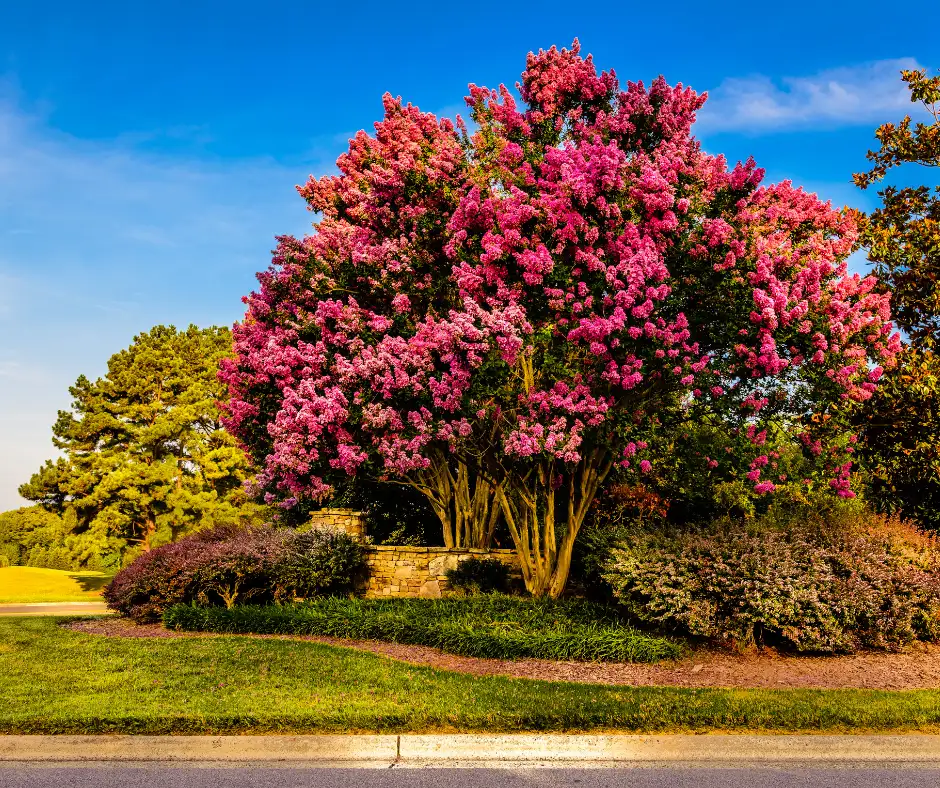
These trees require annual pruning to promote growth but are great at withstanding harsh conditions. They also thrive in humid weather, which is excellent news for those in the southeast.


Redbud Trees

Redbuds are medium-sized trees that grow beautiful spring flowers. Because they are heat, drought, insect, and disease resistant, not much will faze these trees. Their only preferences are well-drained soil and a partly shaded location. Redbuds also provide a lovely shade of their own!

You can find redbuds that produce deep red, bright yellow, or tri-colored foliage.

Some of these trees and shrubs can be damaged by soft scale. Learn about this pest here! 


Arborvitae Trees

The two most common arborvitae trees are Berkman’s Golden and Emerald Green. Berkman’s Golden trees are often 5 to 6 feet tall, whereas the Emerald Green trees can reach up to 15 feet. Their famous conical shape and bright green color make them great for decor or screens around your home.
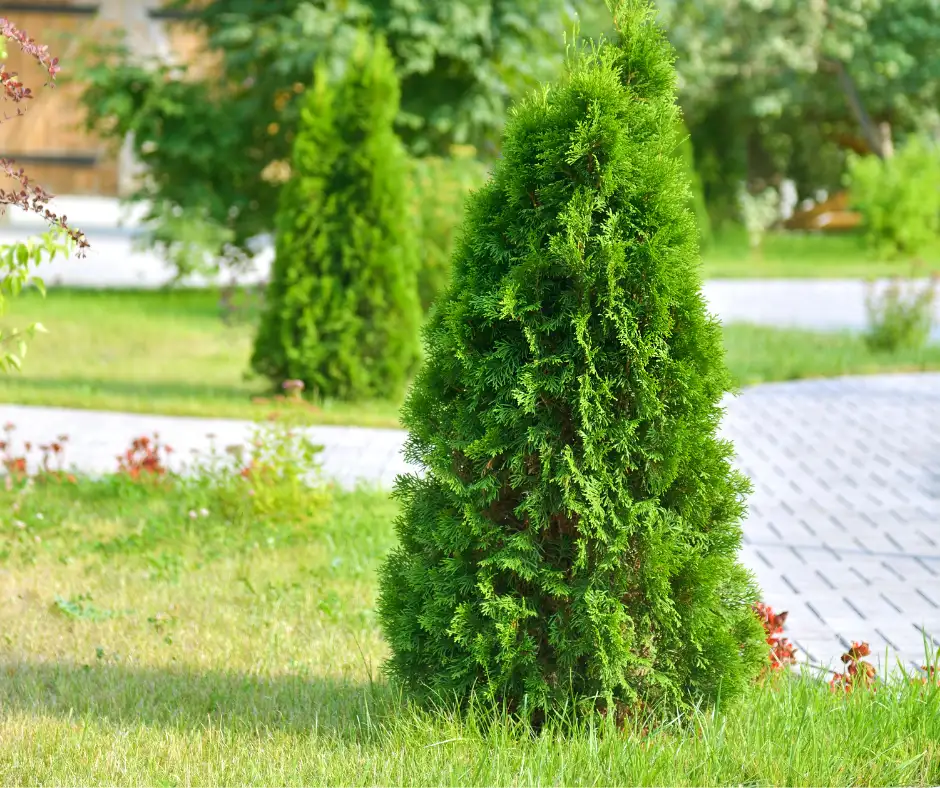
Once established, these trees prefer full sun or light shade and need minimal water.


Boxwood Shrubs

Like Arborvitae, there are several species of Boxwood shrubs. We especially love the Baby Gem and Winterstar Boxwoods. Both grow roughly 4 feet tall and need full sun to part shade to thrive.

These compact green shrubs are durable, attractive, and work beautifully as a border or focal point in your yard.


Camellia Shrubs

Camellias are a great choice if you’re looking for a flowering shrub. They usually bloom closer to the fall and winter months, providing a nice color when other plants may start to hibernate. Camellias are great planting partners for azaleas, but otherwise, they prefer little competition from other plants’ roots.
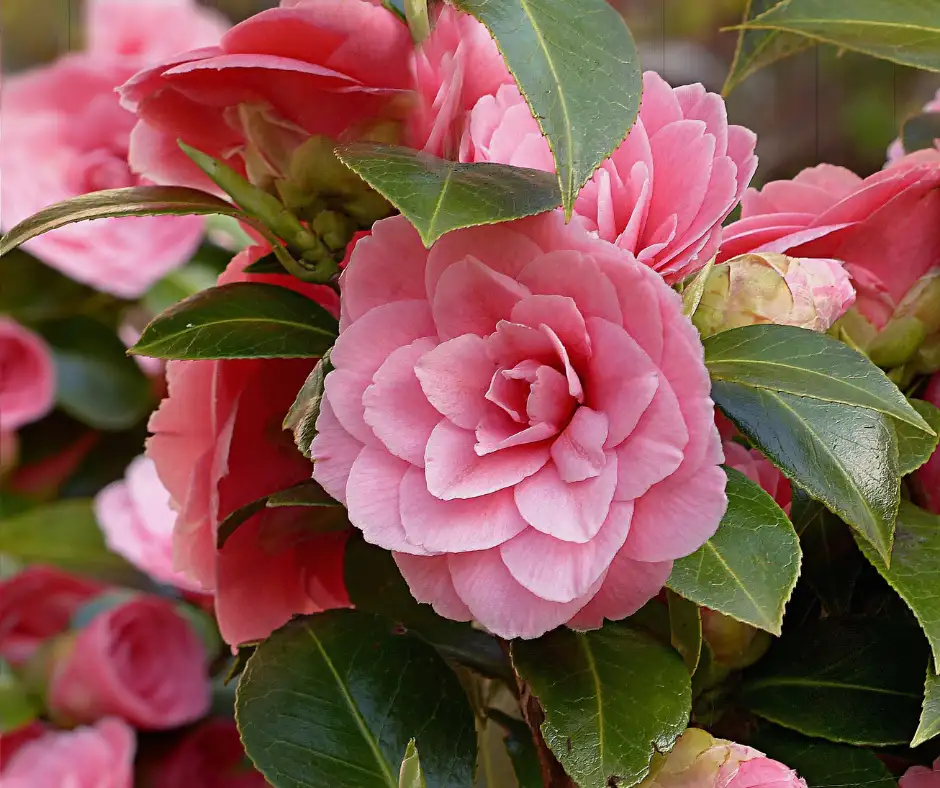
There are several different sizes of camellia shrubs, and they only need to be pruned occasionally to control their size and maintain their shape.


Hydrangea Bushes

Hydrangea bushes are very popular across the southeast because of their large, long-lasting flower clusters that take the spotlight in the summer. Hydrangeas can be blue, pink, white, or sometimes purple. They only have moderate water needs and thrive when they get sunny mornings and shady afternoons.
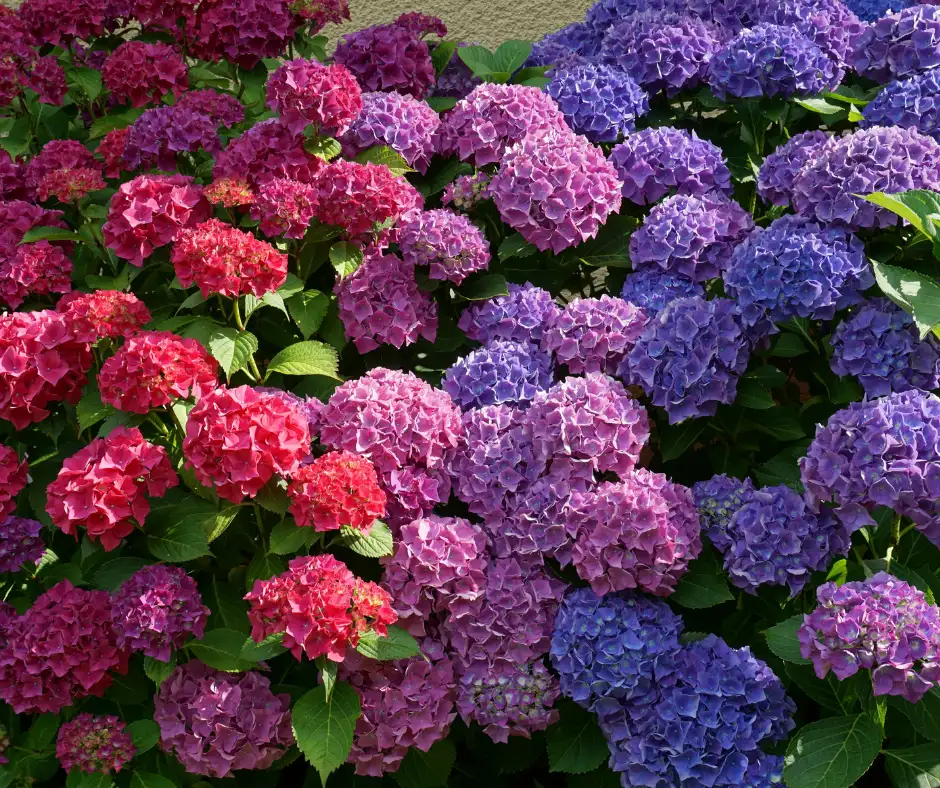
Deadheading hydrangeas will keep the plants blooming into fall. Plus, the cut heads are great for indoor vases!


Caring for Your Low Maintenance Trees & Shrubs

Just because these trees and shrubs aren’t too picky, doesn’t mean that some simple lawn care and maintenance won’t help them grow better than ever.

Waynes Tree and Shrub Care Solution includes Seasonal Tree and Shrub Treatments throughout the year to ensure your landscaping is always vibrant and healthy.

Contact us today for a quote, or call us at 866.WAYNES1.

Rebecca Wood

Waynes has been serving customers since 1973. We have grown over the decades through a commitment to providing a world-class experience for our customers. We believe that if our employees are happy and fulfilled, they will go above and beyond in delighting our customers.

Latest from Waynes Blog

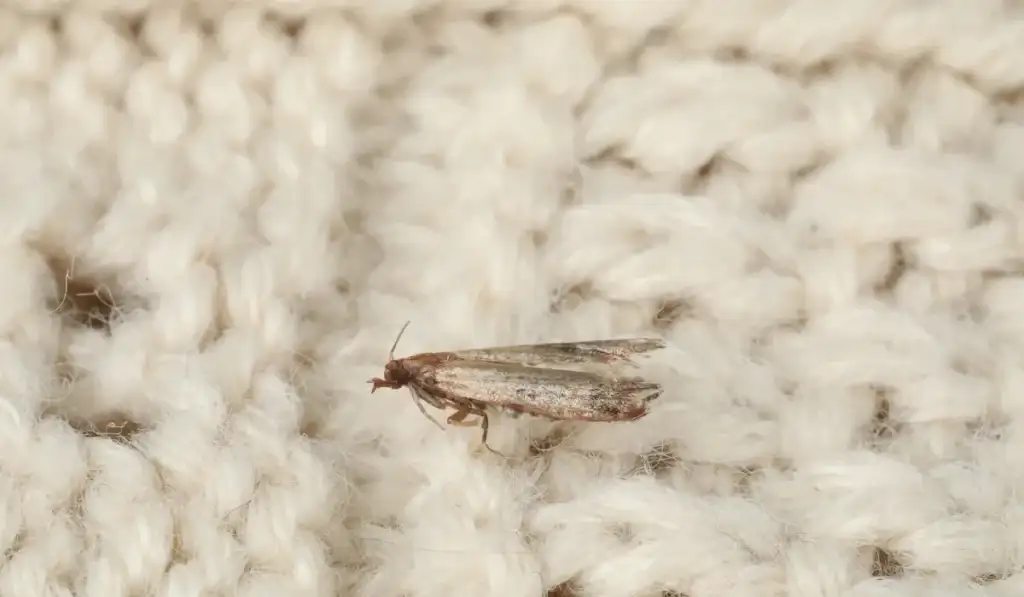
Pale clothes moth resting on a cream knitted sweater, showing frayed wing edges and nearby fabric fibers

Moths in the Closet Appear Right as You Unpack Fall Clothes

You pull a sweater from storage, shake it out, and notice several small holes near the cuff. A pale moth flutters from the box, and fine webbing clings to a fold near the collar. It may look like the problem appeared with the change of season, but the damage often began months earlier. Clothes moths…

Learn More >

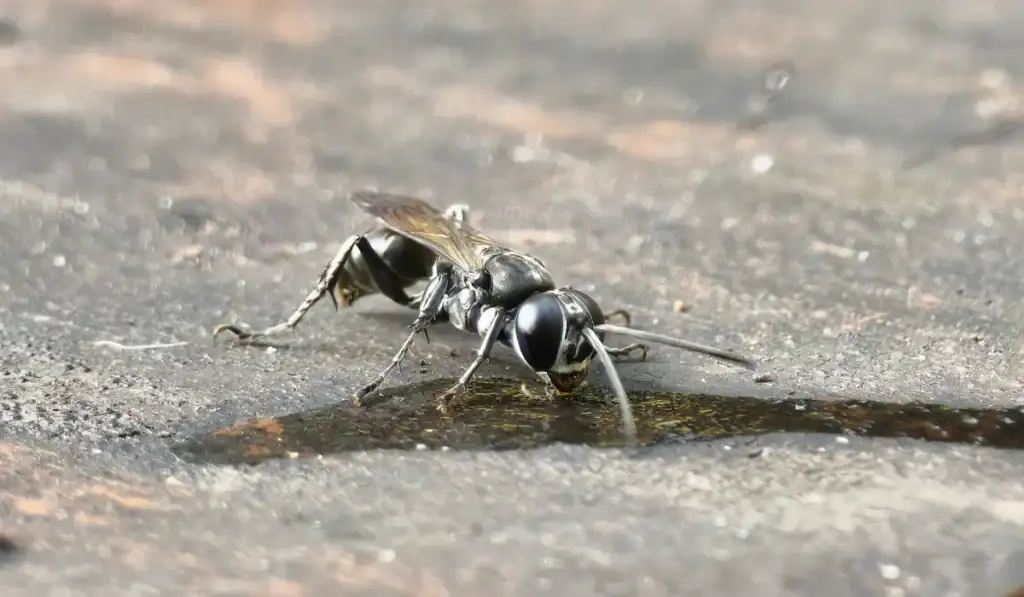
Large black wasp drinking from a small puddle on a rough, weathered surface

The Big Black Wasp in Your Yard Looks Scarier Than It Acts

A large black wasp buzzing through your yard is enough to make most homeowners stop in their tracks. With its shiny black body, long legs, and loud flight, it’s easy to assume the insect is aggressive or preparing to sting. Across Alabama and Tennessee, it’s common for people to mistake these wasps for hornets or…

Learn More >

Person on bed scratching red, irritated welts on forearm and upper arms consistent with bed bug bites

Bed Bug Bites Often Come Home From Dorms and Fall Travel

College move-in season, football weekends, fall vacations, and holiday travel all have something in common. They increase the chances of bringing home more than luggage and souvenirs. Because bed bugs are expert hitchhikers, they can travel unnoticed on backpacks, suitcases, clothing, and bedding. For many families, the first indication of a problem is discovering bed…

Learn More >

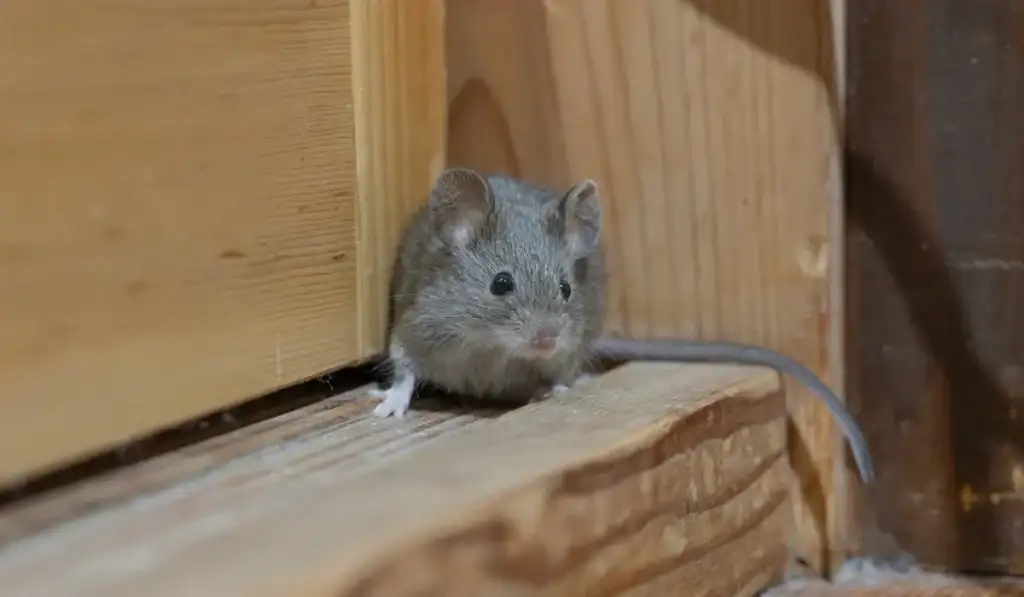
Small gray mouse peeking from a gap between wooden boards inside a house

Field Mice Head for Your Walls When Nights Cool Off

The first cool nights of fall bring welcome relief after a long summer, but they also mark the beginning of one of the busiest seasons for rodents. As temperatures begin to drop and food becomes harder to find outdoors, field mice start looking for places that offer warmth, shelter, and easy access to food. For…

Learn More >

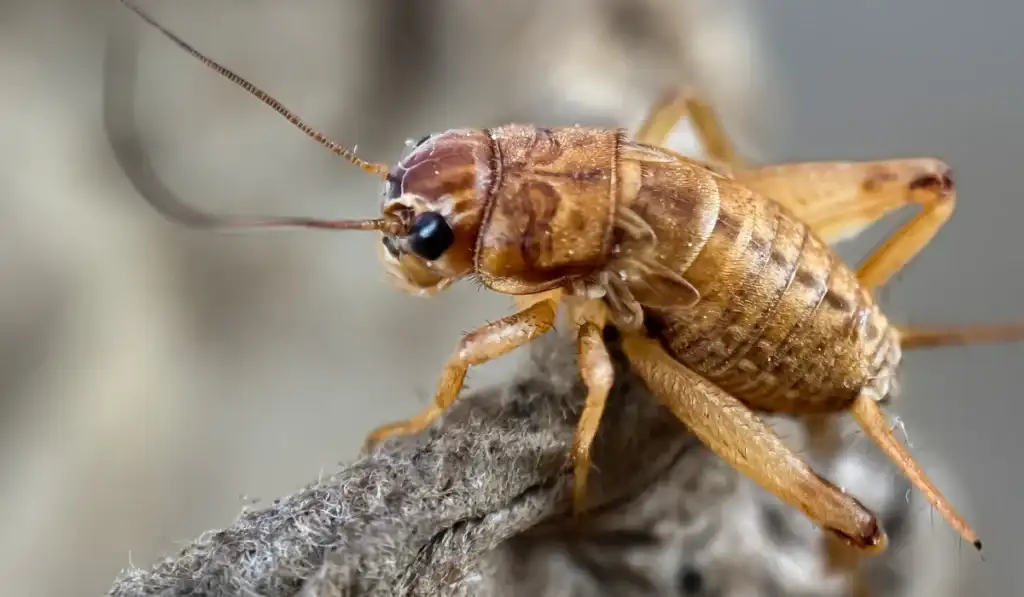
house cricket

A House Cricket Chirping Indoors Means Fall Has Officially Arrived

You expect to hear crickets outside on a warm evening, not from behind the sofa or beneath a kitchen appliance. Yet a house cricket chirping indoors is often one of the first signs that fall weather has reached your area. As nights become cooler, crickets leave exposed outdoor spaces and look for warmth, shelter, and…

Learn More >

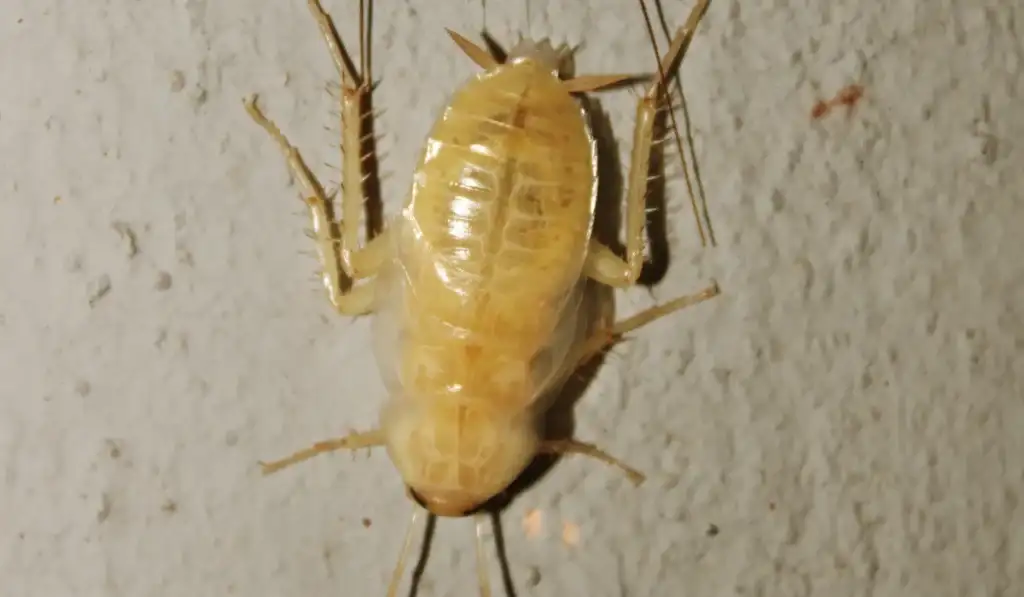
Pale white cockroach clinging to a textured interior wall, dorsal view showing body segments and long antennae

A White Cockroach Means Roaches Are Growing Inside Your Home

Finding a white cockroach inside your home can be unsettling. Most homeowners are familiar with the brown or tan appearance of common household cockroaches, so spotting one that is white or cream-colored often leads to questions. Some people assume they’ve discovered a rare species or an albino cockroach, but that’s not actually the case. A…

Learn More >

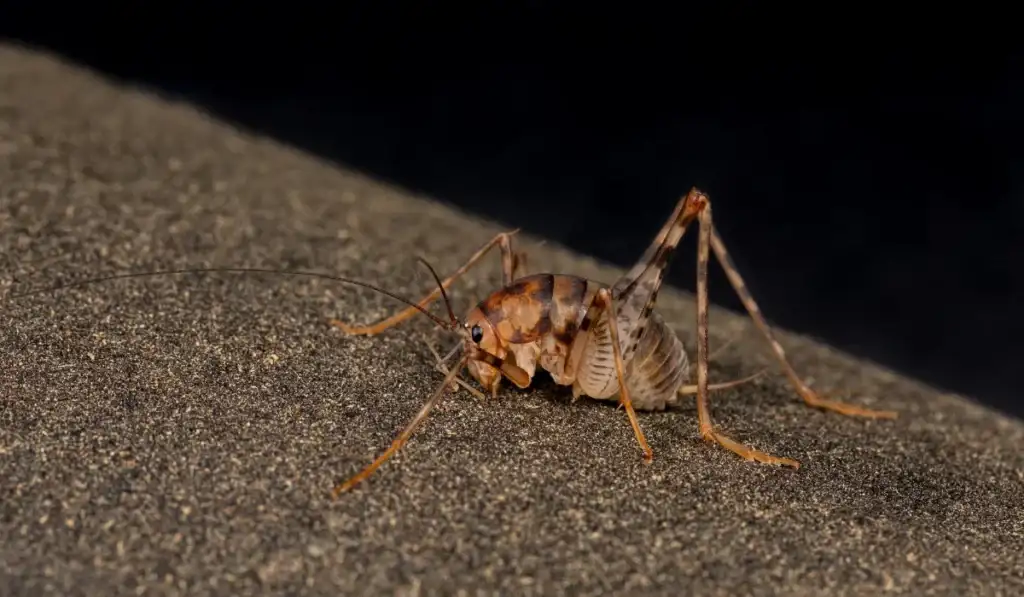
Camel cricket with long antennae on a textured basement floor

Camel Crickets Are Taking Over Tennessee Basements This Fall

As temperatures begin cooling across Tennessee, many homeowners start noticing unusual insects hopping across basement floors, crawl spaces, and storage rooms. Camel crickets, also called cave crickets or spider crickets, often appear during the fall because changing outdoor conditions encourage them to seek sheltered places with steady moisture.  Their large hind legs and humpbacked appearance…

Learn More >

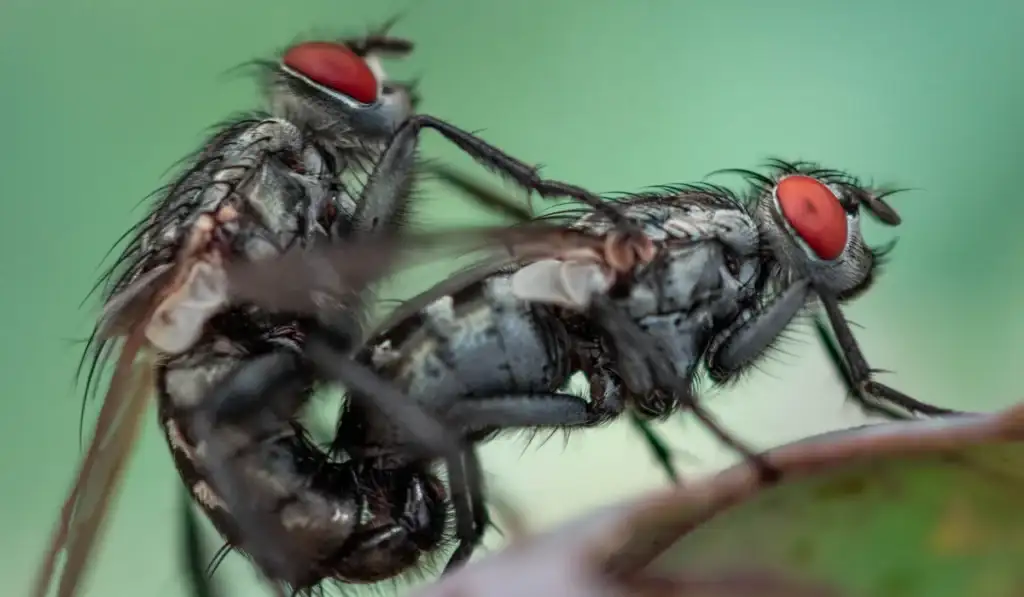
Two cluster flies with red eyes mating on a leaf, close-up macro showing bodies, legs, and fine hairs

Cluster Flies Show Up in Fall and They Are Not Regular House Flies

When slow-moving flies begin collecting around upstairs windows in fall, you may assume they are regular house flies. In many homes, they are cluster flies, a seasonal pest that enters buildings for shelter rather than food. Cluster flies often settle in attics, wall voids, and other protected spaces as outdoor temperatures cool. They may stay…

Learn More >

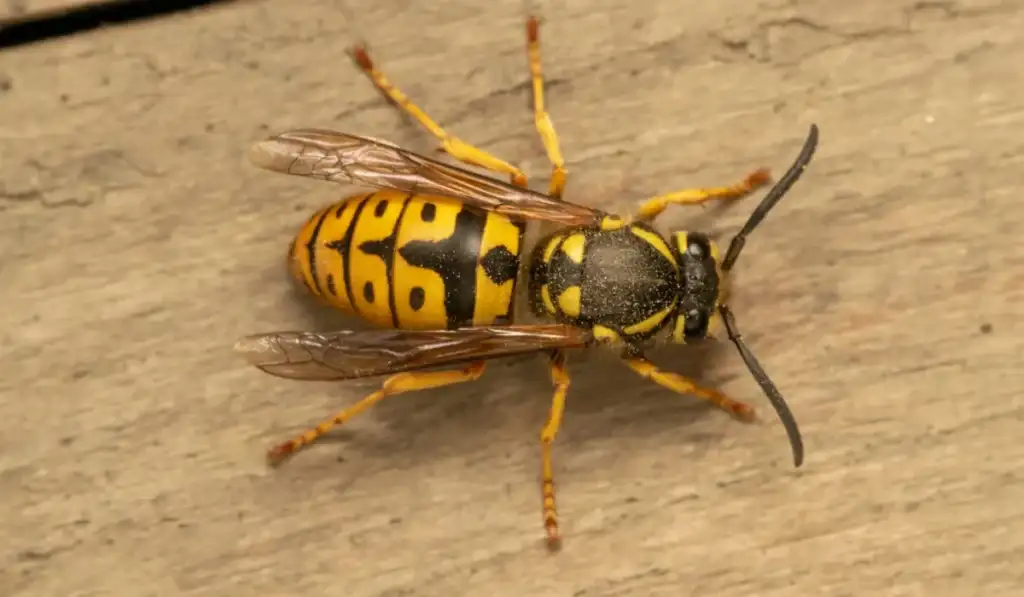
german yellowjacket

A Yellow Jacket Sting Hurts Worse in Fall for a Real Reason

As summer gives way to fall, many homeowners across Alabama and Tennessee notice something unusual. Yellow jackets seem to appear everywhere. They hover around outdoor meals, gather near garbage cans, and become unwelcome guests at football tailgates, backyard barbecues, and family gatherings. If you’ve ever been stung during this time of year, you may have…

Learn More >

Scroll to Top