Insights, Tips, and Tales

Identify & Treat Dollar Spot

White mosquito silhouette with a dashed curved flight path on a green background

Identify & Treat Dollar Spot

Dollar Spot Alert!

Lawns in our service areas have recently been attacked by a disease called Dollar Spot. It is the most widespread turf disease that affects home lawns. It is a disease that can affect all species of warm and cool-season lawns.

What Does Dollar Spot Look Like?

Small, circular, straw-colored spots 1-3 inches in diameter, about the size of a silver dollar, are the most common symptoms and are most noticeable on closely mowed Bermuda and Zoysia lawns. You may also notice white cottony like a mycelium in the early mornings while the dew is present. This sometimes resembles spider webs and can be mistaken for an insect issue. If conditions allow the disease to grow rapidly the small spot may grow together and create larger areas of discolored turf.
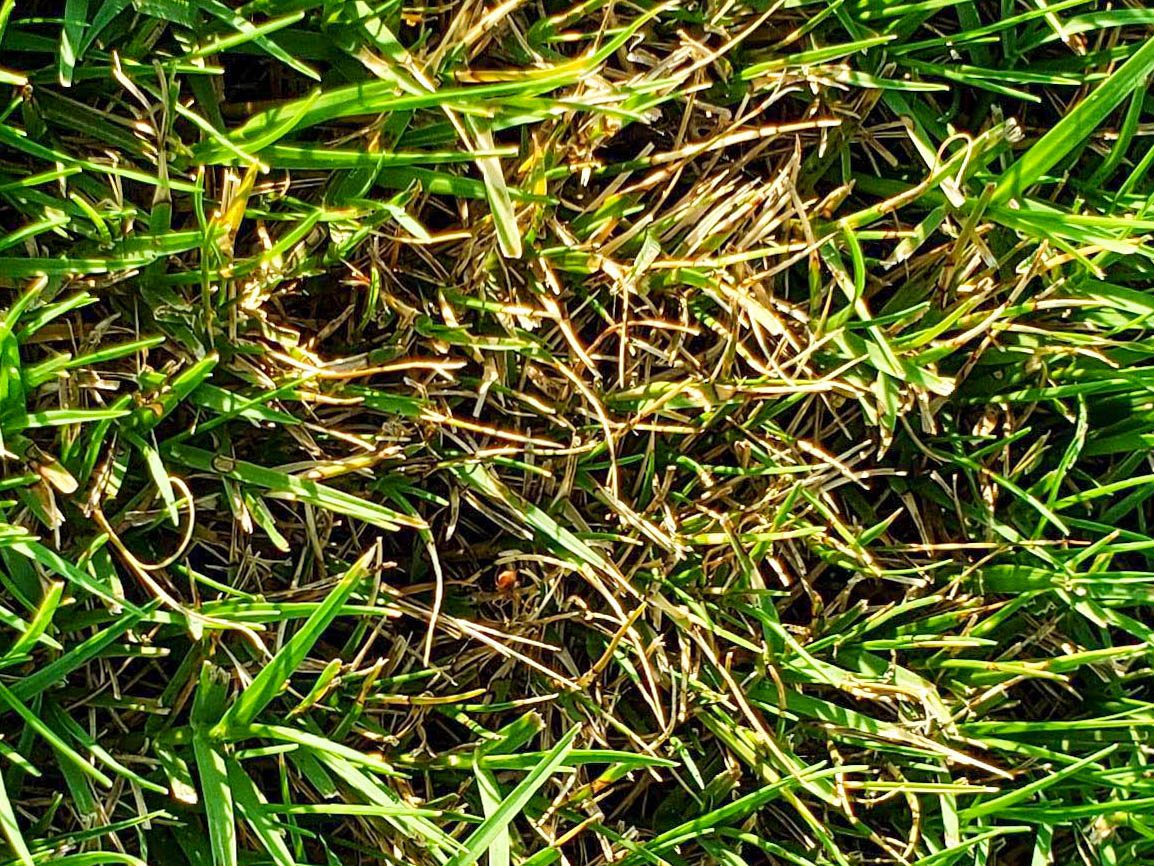
Dollar Spot

What Causes Brown Spots in My Lawn?

The disease is favored by temperatures above 85 with prolonged periods of high humidity and drought stress. These have been our conditions over the past few weeks leading into the 4th weekend for most of us. The disease is spread through clipping dispersal and is also favored by high thatch accumulation.
Dollar Spots

How to Get Rid of Dollar Spot?

The good news is that as our turf recovers from the drought stress we had for 3-4 weeks and humidity levels drop it can and in most cases will grow through the infection just fine. Some best practices we can follow to slow development of Dollar Spot are:

  • Water your lawn in the early morning hours from 3 to 6 am and provide your turf with at least one inch of irrigation or rainwater each week
  • Mow in the afternoons after the dew has dried completely to lower the risk of spreading through clipping dispersal
  • Keep your lawn aerated to help control thatch accumulation and allow oxygen and water to move through the soil profile.

Fungicide applications can be made to control the pathogen causing the disease, but be advised that a fungicide application is not a “spot remover” and that it will still take time for the turf to grow through the damage that has been done. Your Waynes lawn care service professional can advise you on the cost of fungicide applications and what those expectations should be.

Rebecca Wood

Waynes has been serving customers since 1973. We have grown over the decades through a commitment to providing a world-class experience for our customers. We believe that if our employees are happy and fulfilled, they will go above and beyond in delighting our customers.

Latest from Waynes Blog

Pale clothes moth resting on a cream knitted sweater, showing frayed wing edges and nearby fabric fibers

Moths in the Closet Appear Right as You Unpack Fall Clothes

You pull a sweater from storage, shake it out, and notice several small holes near the cuff. A pale moth flutters from the box, and fine webbing clings to a fold near the collar. It may look like the problem appeared with the change of season, but the damage often began months earlier. Clothes moths…

Learn More >

Large black wasp drinking from a small puddle on a rough, weathered surface

The Big Black Wasp in Your Yard Looks Scarier Than It Acts

A large black wasp buzzing through your yard is enough to make most homeowners stop in their tracks. With its shiny black body, long legs, and loud flight, it’s easy to assume the insect is aggressive or preparing to sting. Across Alabama and Tennessee, it’s common for people to mistake these wasps for hornets or…

Learn More >

Person on bed scratching red, irritated welts on forearm and upper arms consistent with bed bug bites

Bed Bug Bites Often Come Home From Dorms and Fall Travel

College move-in season, football weekends, fall vacations, and holiday travel all have something in common. They increase the chances of bringing home more than luggage and souvenirs. Because bed bugs are expert hitchhikers, they can travel unnoticed on backpacks, suitcases, clothing, and bedding. For many families, the first indication of a problem is discovering bed…

Learn More >

Small gray mouse peeking from a gap between wooden boards inside a house

Field Mice Head for Your Walls When Nights Cool Off

The first cool nights of fall bring welcome relief after a long summer, but they also mark the beginning of one of the busiest seasons for rodents. As temperatures begin to drop and food becomes harder to find outdoors, field mice start looking for places that offer warmth, shelter, and easy access to food. For…

Learn More >

house cricket

A House Cricket Chirping Indoors Means Fall Has Officially Arrived

You expect to hear crickets outside on a warm evening, not from behind the sofa or beneath a kitchen appliance. Yet a house cricket chirping indoors is often one of the first signs that fall weather has reached your area. As nights become cooler, crickets leave exposed outdoor spaces and look for warmth, shelter, and…

Learn More >

Pale white cockroach clinging to a textured interior wall, dorsal view showing body segments and long antennae

A White Cockroach Means Roaches Are Growing Inside Your Home

Finding a white cockroach inside your home can be unsettling. Most homeowners are familiar with the brown or tan appearance of common household cockroaches, so spotting one that is white or cream-colored often leads to questions. Some people assume they’ve discovered a rare species or an albino cockroach, but that’s not actually the case. A…

Learn More >

Camel cricket with long antennae on a textured basement floor

Camel Crickets Are Taking Over Tennessee Basements This Fall

As temperatures begin cooling across Tennessee, many homeowners start noticing unusual insects hopping across basement floors, crawl spaces, and storage rooms. Camel crickets, also called cave crickets or spider crickets, often appear during the fall because changing outdoor conditions encourage them to seek sheltered places with steady moisture.  Their large hind legs and humpbacked appearance…

Learn More >

Two cluster flies with red eyes mating on a leaf, close-up macro showing bodies, legs, and fine hairs

Cluster Flies Show Up in Fall and They Are Not Regular House Flies

When slow-moving flies begin collecting around upstairs windows in fall, you may assume they are regular house flies. In many homes, they are cluster flies, a seasonal pest that enters buildings for shelter rather than food. Cluster flies often settle in attics, wall voids, and other protected spaces as outdoor temperatures cool. They may stay…

Learn More >

german yellowjacket

A Yellow Jacket Sting Hurts Worse in Fall for a Real Reason

As summer gives way to fall, many homeowners across Alabama and Tennessee notice something unusual. Yellow jackets seem to appear everywhere. They hover around outdoor meals, gather near garbage cans, and become unwelcome guests at football tailgates, backyard barbecues, and family gatherings. If you’ve ever been stung during this time of year, you may have…

Learn More >

Scroll to Top