 Hornets in Florida include bald-faced hornets, yellowjackets, and paper wasps. Learn which species nest near your home and when to call pest control.
Key Takeaways
- Florida hosts several stinging insects commonly called hornets, including bald-faced hornets, yellowjackets, paper wasps, mud daubers, and cicada killer wasps.
- True hornets are rare in the Sunshine State. Most Florida homeowners encounter paper wasps or yellowjackets instead.
- Nests range from paper-like aerial structures to underground colonies, and aggressive behavior peaks in late summer and early fall.
- Removing nests without professional help carries real sting risk, especially with yellowjackets and bald-faced hornets.
- Professional pest control is the right call whenever a nest is large, located inside a wall void, or built by a highly aggressive species.
What Hornets in Florida Actually Look Like
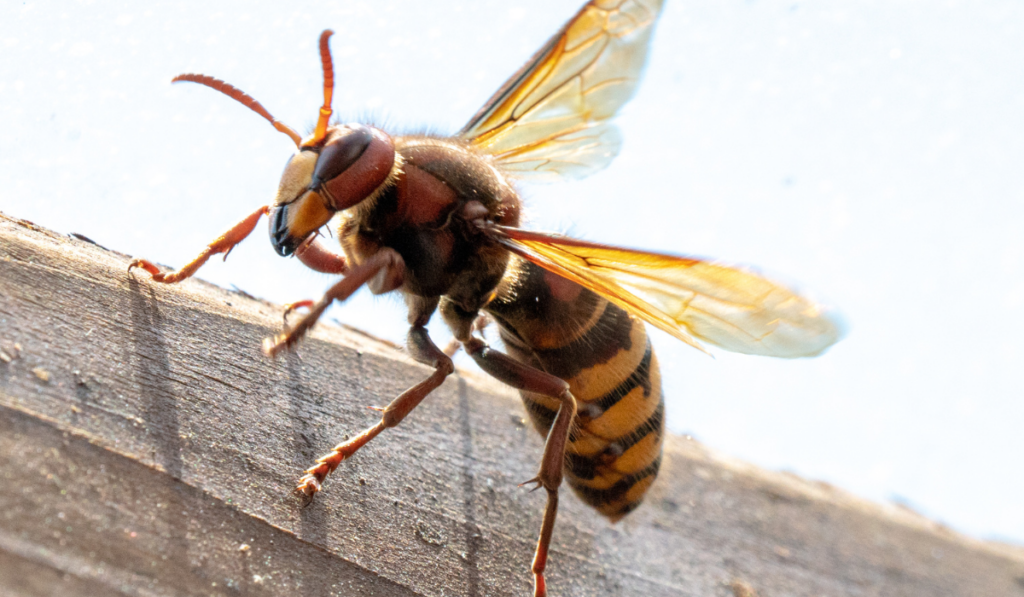
Florida has no native “true” hornet species beyond occasional European hornet sightings. What most residents call hornets are closely related wasps and hornets that share similar body plans: narrow waists, slender bodies, and yellow markings or bold black-and-white patterns. These insects belong to several different families, but they behave similarly near their nests and will sting repeatedly when threatened. The confusion is understandable. Yellowjackets, bald-faced hornets, and paper wasps all build large paper nests, fly aggressively when disturbed, and carry the visual profile most people associate with the word “hornet.” Knowing the difference matters because each species responds differently to control methods and carries a different level of risk.Common Wasp and Hornet Species in Florida Homes
Field Guide
Hornets, wasps, and other stinging insects in Florida
Most insects Florida homeowners call “hornets” are actually yellowjackets, paper wasps, or bald-faced hornets. Telling them apart shows you which nests carry real risk and which are just a nuisance.
1Can sting
Yellowjacket
IDBuilds large paper nests underground or inside wall voids that can hold several thousand workers by late summer.
WhereUnderground burrows or wall voids of structures.
NoteAggressive behavior spikes in early fall when food becomes scarce and colonies are at maximum size. Underground nests are especially hazardous since homeowners often step on them before realizing the colony is there.
2Can sting
Bald-faced hornet
IDBlack body with white facial markings; nests are made of layered, paper-like material and can hold 400 to 700 workers by late summer.
WhereHanging from tree branches, shrubs, or structural overhangs.
NoteAggressive when protecting the nest and will sting repeatedly without provocation. Colonies peak in early fall, then die off when cold weather arrives.
3Can sting
Paper wasp
IDLong legs and slender bodies, typically brownish with yellow markings; builds open, umbrella-shaped nests holding 20 to 75 workers.
WhereEaves, door frames, porch ceilings, and tree branches.
NoteLess aggressive than yellowjackets but will sting if the nest is touched or disturbed. Because nests sit in accessible spots, paper wasps account for a high share of accidental stings.
4Low concern
Cicada killer wasp
IDA large solitary wasp that appears far more threatening than it actually is; males patrol aggressively near burrows but cannot sting.
WhereUnderground burrows in bare or sparsely covered lawn soil.
NoteFemale wasps sting only when grabbed or squeezed, and do not defend a shared colony the way social wasps do.
5Beneficial
Mud dauber
IDA solitary wasp, including metallic blue species, that builds tube-shaped nests from wet mud.
WhereWalls, under eaves, and inside garages.
NoteConsidered beneficial because it controls spider populations. Not aggressive toward humans and rarely stings unless handled.
Waynes has served Florida families for over 50 years. Every little thing matters. A LOT.
How Bald-Faced Hornets Nest in Florida
Bald-faced hornets build large paper nests that can hold 400 to 700 workers by late summer. They are social wasps with black bodies and white facial markings. Their colonies hang from tree branches, shrubs, or structural overhangs, and the nests consist of multiple layers of paper-like material made from chewed wood fibers. Bald-faced hornets are aggressive when protecting their nest and will sting repeatedly without provocation. These insects prey on other insects and feed larvae a protein-rich diet of paralyzed prey. Adult wasps consume sugary substances like fruit juice and flower nectar. Colonies grow through spring and summer, peak in early fall, and die off when cold weather arrives. Only fertilized queens survive winter to build nests again in spring.Why Yellowjackets Are So Aggressive in Florida
Yellowjackets are responsible for more stinging incidents in Florida than any other wasp species. Two species dominate: the eastern yellowjacket (Vespula maculifrons) and the southern yellowjacket. Both build large paper nests, either underground or inside wall voids of structures. A yellowjacket nest can contain several thousand workers by late summer, making removal without professional help genuinely dangerous. Yellowjackets are drawn to food sources, especially proteins and sugary substances. Outdoor dining, open garbage, and fallen fruit near the home all attract foraging workers. Their aggressive behavior spikes in early fall when food becomes scarce and colonies are at maximum size. Nests underground are especially hazardous because homeowners often step on or near them before realizing the colony is there.Where Paper Wasps Build Nests in Florida
Paper wasps build open, umbrella-shaped nests that hang from eaves, door frames, porch ceilings, and tree branches throughout Florida. Their paper wasp nest is smaller than a yellowjacket or bald-faced hornet nest, typically holding 20 to 75 workers. Several species are active in South Florida, including the common Polistes exclamans. They have long legs, slender bodies, and typically brownish coloring with yellow markings. Paper wasps are less aggressive than yellowjackets but will sting if the nest is touched or disturbed. Because they build nests in such accessible locations, they account for a high share of accidental stings. A paper wasp nest near a frequently used doorway or patio deserves prompt attention before the colony grows larger heading into early fall.What Mud Daubers Actually Do in Florida
Mud daubers are solitary wasps that build tube-shaped nests from wet mud on walls, under eaves, and inside garages across Florida. Mud dauber wasps belong to the family Sphecidae and include metallic blue species that are striking in appearance. Unlike social wasps, mud daubers do not form colonies. A female builds cells, paralyzes spiders to provision them as food for larvae, lays eggs, and seals the cell. Mud daubers are considered beneficial because they control spider populations. They are not aggressive toward humans and rarely sting unless handled. Their papery nests and mud tubes are unsightly but pose no real sting threat. Removing the nest and sealing entry points around the structure keeps them from returning to the same site each season.How Cicada Killer Wasps Alarm Homeowners in Florida
The cicada killer wasp is a large solitary wasp that nests underground in Florida lawns, appearing far more threatening than it actually is. Female wasps dig burrows in bare or sparsely covered soil, paralyze cicadas as prey for their larvae, and deposit eggs inside the chamber. Males patrol aggressively but cannot sting. Female wasps sting only when grabbed or squeezed. Despite their intimidating size, cicada killer wasps are not social wasps and do not defend a shared colony. Their aggressive behavior near burrows is the territorial patrol of males, which cannot sting. Lawns with sandy, well-drained soil are most vulnerable to infestations. Thickening turf through proper lawn care removes the bare soil these insects need to build nests.Where Wasps and Hornets in Florida Build Their Nests
Nest location varies sharply by species, and knowing where to look changes how you respond. Social wasps like yellowjackets, paper wasps, and bald-faced hornets build nests in aerial locations or underground. Solitary species like mud daubers and cicada killers nest in soil or on structural surfaces. Common nest sites in Florida homes include roof eaves, attic voids, wall voids, underground burrows in lawns, dense shrubs, and interior ceiling cavities. Nests inside wall voids are among the most hazardous because they are invisible until the colony is large and workers begin entering living spaces through gaps around electrical outlets or window frames. Any nest found inside a structure warrants professional evaluation before treatment. Wasps and hornets choose nest sites based on shelter, proximity to food sources, and low human disturbance. Overgrown shrubs, cluttered storage areas, and accessible attic spaces all create ideal nesting conditions. Removing debris, trimming vegetation, and sealing entry points around the roofline reduces the number of viable sites near the home.When to Call Professional Pest Control for Hornets in Florida
DIY nest removal is appropriate for small, newly established paper wasp nests in accessible outdoor locations, treated at night when workers are inactive. Any situation beyond that carries meaningful risk. The EPA’s integrated pest management framework recommends professional assessment whenever an infestation involves structures, large colonies, or aggressive species. Call a professional pest control provider when the nest is inside a wall void, underground, larger than a softball, or built by yellowjackets or bald-faced hornets. These scenarios require protective equipment, targeted treatments, and knowledge of nest structure that most homeowners do not have. Disturbing a large yellowjacket colony without protection can result in hundreds of stings within seconds. Allergic reactions to stings are a genuine medical concern. Anyone with a known allergy to bee or wasp venom should never attempt to remove a nest independently. Painful stings from multiple workers can cause anaphylaxis in sensitized individuals. If a family member has a diagnosed sting allergy, professional pest control is the only responsible path.How Waynes Handles Stinging Insect Nests in Florida
Waynes technicians follow an integrated pest management protocol that starts with a thorough inspection of the property and surrounding areas to identify current and future risks. From that assessment, technicians build a plan that combines professional treatment with targeted exclusion of minor entry points to prevent colonies from re-establishing in the same location. For stinging insects nesting in or on structures, Waynes applies targeted treatments directly to active nest sites and schedules follow-up service to confirm the colony is no longer active. The SMART digital monitoring system can also flag new activity early, before a small paper wasp nest becomes a large yellowjacket problem. Post-service video transparency means you can see exactly what was found and treated.How to Reduce Hornet and Wasp Risk in Florida Year-Round
Florida’s mild winters allow wasp activity nearly year-round, though colonies are largest and most aggressive from late summer through early fall. Reducing attractants and removing nesting opportunities lowers the chance of a serious infestation forming near the home. Steps that reduce wasp and hornet pressure around Florida homes:- Remove fallen fruit from under trees promptly, since sugary substances draw foraging workers.
- Keep outdoor garbage in sealed containers with tight-fitting lids.
- Trim shrubs and vegetation away from the roofline to reduce aerial nesting sites.
- Seal gaps around eaves, vents, soffits, and utility penetrations to block access to wall voids.
- Avoid provoking workers near known nest locations. Exercise caution when mowing near ground-level openings in the soil.
- Inspect eaves and porch ceilings every few weeks in spring when new queens are building nests.