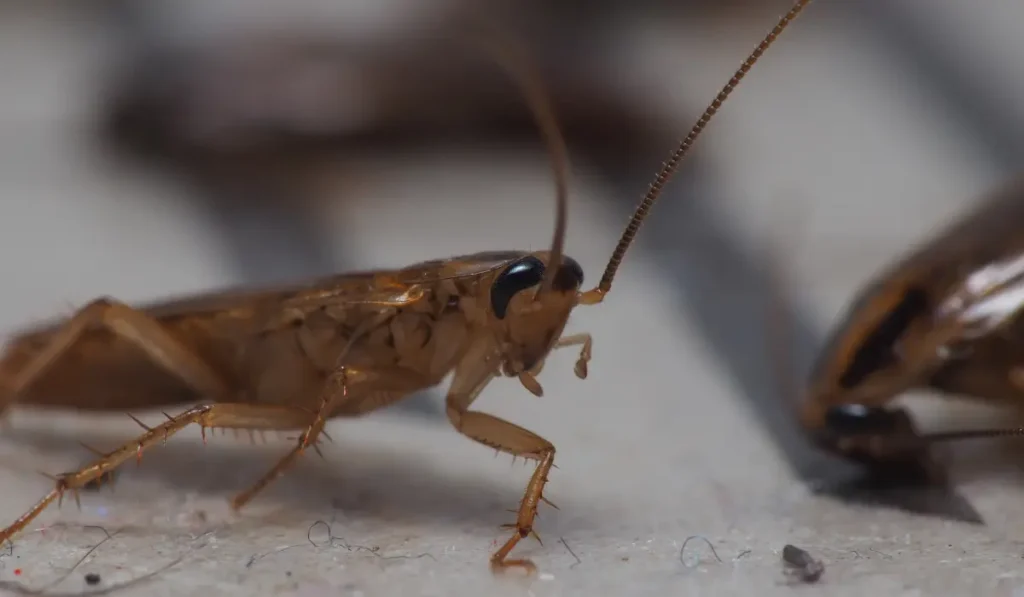

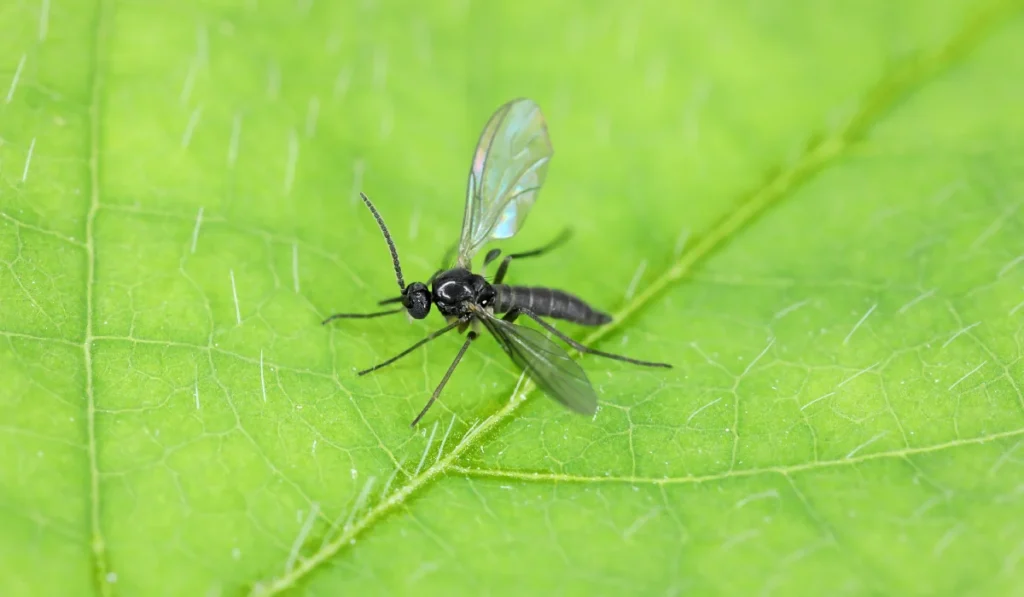
Gnats in Florida Panhandle homes and yards often show up where moisture, damp soil, food residue, or decaying organic matter provides a place for small flies to feed or develop. The tricky part is that “gnat” is a catch-all term homeowners often use for several different flies. A problem around a houseplant can have a different cause than flies gathering near a kitchen drain. Knowing where to look first can help you find the source instead of chasing the adults from room to room.
What Attracts Gnats in Florida Panhandle Properties?
The answer depends on the fly. Fungus gnats are commonly associated with moist growing media and decomposing plant material. Fruit flies are more closely linked to fermenting food and drink residue. Drain flies and phorid flies can point to wet areas where organic material has built up.
The best place to begin is where you see the most activity. Flies hovering around a potted plant suggest a different source from flies concentrated around a sink. Outside, pay attention to damp flower beds, clogged gutters, containers that hold water, and piles of wet leaves or plant debris.
Finding that source matters because the adults you see are only part of the problem. If the area where the flies are developing remains unchanged, the activity can continue even after you remove the adults.
Moisture Can Keep Small Flies Around
Moisture is one of the first things to check when small flies keep appearing. Indoors, water can linger in potting soil, around drains, under sinks, or near a slow plumbing leak. Outdoors, irrigation, shade, poor drainage, and rainfall can keep soil and plant material damp longer than expected.
According to UC Integrated Pest Management guidance on fungus gnats, fungus gnat larvae commonly live in moist growing media and feed on fungi and decaying plant material. That makes soil moisture especially worth checking when flies are concentrated around houseplants.
Check Houseplants and Potting Soil
If small flies hover near pots or collect on nearby windows, start with the plant. Soil that stays wet for long periods can provide favorable conditions for fungus gnats.
Water according to the needs of the plant instead of keeping the soil constantly damp. When the plant allows it, letting the upper portion of the potting mix dry between waterings can make the environment less suitable. Empty water from saucers, and check decorative containers that may trap moisture around an inner pot.
Check for Wet Areas Outside
Florida Panhandle properties can develop damp pockets in shaded beds, low areas, planter trays, gutters, and heavily irrigated sections of the yard. Areas around outdoor faucets and drainage outlets can also stay wet after the rest of the property dries.
You do not need to cut back necessary watering. Focus on places where water repeatedly collects or where soil remains saturated longer than the landscape requires. These areas are more useful to inspect than parts of the yard that drain and dry normally.
Organic Material Can Support Gnat Activity
Moisture becomes more relevant when organic material is present. Depending on the fly, that material can include decomposing leaves, damp grass clippings, old potting mix, compost, food scraps, or residue inside garbage and recycling containers.
Indoors, fruit flies are often associated with fermenting produce, food waste, and beverage residue. If flies are concentrated in the kitchen, look past the obvious surfaces. Check produce storage, the bottoms of trash and recycling containers, and areas beneath appliances where food or liquid may have collected.
Outside, remove wet piles of leaves and plant debris that are no longer serving a purpose. Keeping waste containers clean and clearing decomposing material can also make it easier to spot a drainage problem that would otherwise stay hidden.
How to Identify the Small Flies Around Your Property
You do not need to identify every tiny fly on sight. Start with where the activity is happening, then check what is nearby. Location and conditions together can help narrow down the likely source.
Step 1: Find the Busiest Area
Watch where the flies gather. Activity around houseplants often suggests fungus gnats. Flies around produce, trash, or recycling may point toward fruit flies. Small flies concentrated around sinks, tubs, or utility drains may indicate drain flies or another moisture-related species.
Location alone does not confirm the pest, but it tells you where to inspect first.
Step 2: Inspect the Nearest Food or Moisture Source
Look closely at the area surrounding the activity. Check for damp potting soil, water sitting in plant saucers, overripe produce, food residue, dirty recycling containers, or buildup around drains.
You are looking for the place that supports continued activity, not just where the adults happen to land.
Step 3: Compare the Location and Source
Use both clues together to narrow down the possibilities.
| Small Fly | Common Location | Source to Inspect |
| Fungus gnats | Houseplants and nearby windows | Moist potting soil and decomposing plant material |
| Fruit flies | Kitchens and garbage areas | Fermenting produce, food waste, and drink residue |
| Drain flies | Sinks, tubs, and utility drains | Organic buildup in wet drains |
| Phorid flies | Areas with persistent moisture | Damp, decaying organic material |
Step 4: Correct the Likely Cause
Once you find a likely source, address it and keep an eye on the area. That may mean changing plant watering habits, discarding fermenting food, washing a waste container, cleaning organic buildup from a problem drain, or investigating moisture where it should not be present.
If the activity continues, check nearby rooms and adjoining areas instead of assuming the first source was the only one.
Step 5: Get Help if the Source Stays Hidden
Some small-fly problems are easy to trace. Others are not. Activity that continues after cleaning or moisture correction may be coming from a source you cannot easily see.
Professional identification can help when you cannot determine what insect you are dealing with or where the activity begins.
Why Gnats in Florida Panhandle Homes Can Return
The Florida Panhandle’s climate makes water management an ongoing part of property care. Warm weather, rainfall, irrigation, and humid conditions can affect how quickly soil, mulch, containers, and shaded areas dry. Weather does not create a gnat problem by itself, but it can keep suitable areas damp for longer periods.
NOAA’s U.S. Climate Normals provide long-term temperature and precipitation information for communities across the country, including Northwest Florida. For homeowners around Pensacola, Destin, Fort Walton Beach, Panama City, and nearby areas, the useful question is how weather interacts with the way water moves through the property.
A shaded bed may stay wet longer than an open lawn. Frequent irrigation can keep containers damp between rain events. Clogged gutters and low spots can also hold water after surrounding areas have dried. These differences can explain why activity returns to one part of a property while another area has no problem.
How to Make Your Property Less Attractive to Gnats
The right fix depends on what you find. Fungus gnats call for a closer look at plant care and soil moisture. Fruit flies send you toward food and sanitation. Drain-related flies make drains, plumbing areas, and organic buildup a higher priority.
The U.S. Environmental Protection Agency’s integrated pest management guidance emphasizes identifying pest problems and addressing the conditions that support them. For small flies, that means working on the place they are developing instead of relying only on efforts aimed at the adults.
Start Inside
Review how often you water houseplants, clean up food and drink spills, and keep trash and recycling containers free of residue. If flies consistently gather around a drain, inspect that drain and the surrounding area for persistent moisture or organic buildup.
Check beneath sinks and around plumbing fixtures as well. A damp cabinet or slow leak may not draw attention right away, but it is worth investigating when small flies repeatedly appear in the same area.
Check the Yard and Exterior
Clear clogged gutters, remove wet yard debris, and address areas where water collects unnecessarily. After irrigation, look at shaded beds, containers, and low sections of the yard to see which areas stay wet.
If soil remains saturated longer than plants require, adjust watering or drainage where practical. The goal is to correct unnecessary moisture without depriving healthy landscaping of the water it needs.
When Recurring Gnats Need a Closer Look
A few flies around an overwatered plant may have an obvious source. A problem becomes harder to sort out when flies keep returning after the obvious condition has been corrected, appear in several rooms, or remain concentrated around a drain despite routine cleaning.
At that point, look for what you may have missed. Check beneath sinks, inside waste containers, around drains, near potted plants, and in damp outdoor areas. The pattern of activity can help you decide where to focus.
If you still cannot identify the fly or locate the source, ask about the specific pest and the services available for your property rather than assuming any general pest service covers every type of small flying insect.
Keep Gnats From Becoming a Recurring Problem
Gnats in Florida Panhandle homes and yards usually lead back to a specific condition. Damp potting soil, excessive irrigation, food residue, decaying plant material, drain buildup, and hidden moisture can each support different small flies. Start where the activity is strongest, identify what is nearby, and correct the condition that best matches what you are seeing.
If the flies keep returning or you cannot track down the source, Waynes Pest Control can help you determine which services are available in your area. You can also contact Waynes to describe the activity and discuss the next step for your Florida Panhandle property.