

Cool Mississippi nights feel great in Columbus, but they can push mice indoors. That means scratching in the walls, chewed packages, and tiny droppings under the sink. These pests do not stay in the garage. They may slip into kitchens, attics, and closets, too.
This guide focuses on how you can get rid of mice in Columbus, MS, with steps that work for local homes, from Riverwalk townhouses to older crawl-space houses off Military Road.
We’ll cover how you can confirm whether you have a mouse infestation, clean and store food, seal entry points with solid exclusion, place traps that work, and decide when to call for professional rodent control services in Mississippi.
Key Takeaways
- Seal entry points first, then place traps along walls and behind appliances.
- Store pet food and dry goods in sealed containers; clean crumbs nightly.
- Focus on attics, crawl spaces, and garages where house mice often nest.
- If activity continues after a week, contact a local pest control company for help.
Step 1: Confirm A Mouse Infestation
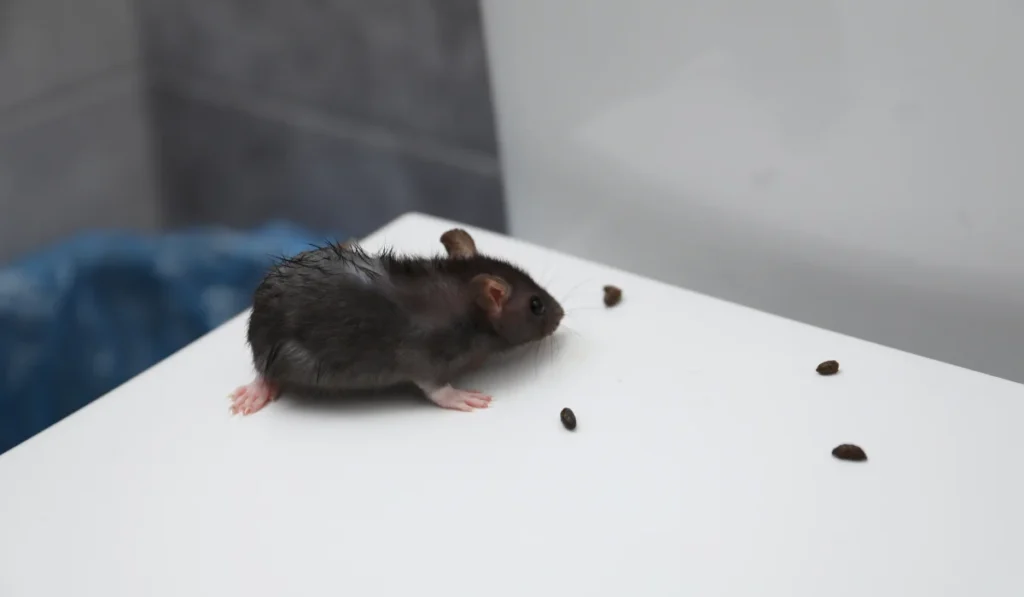
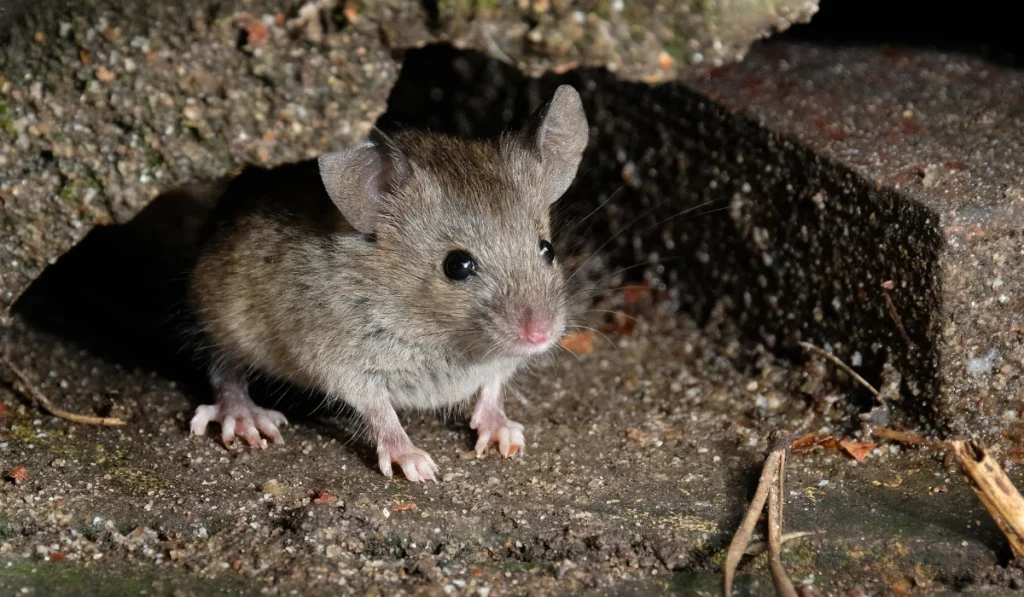
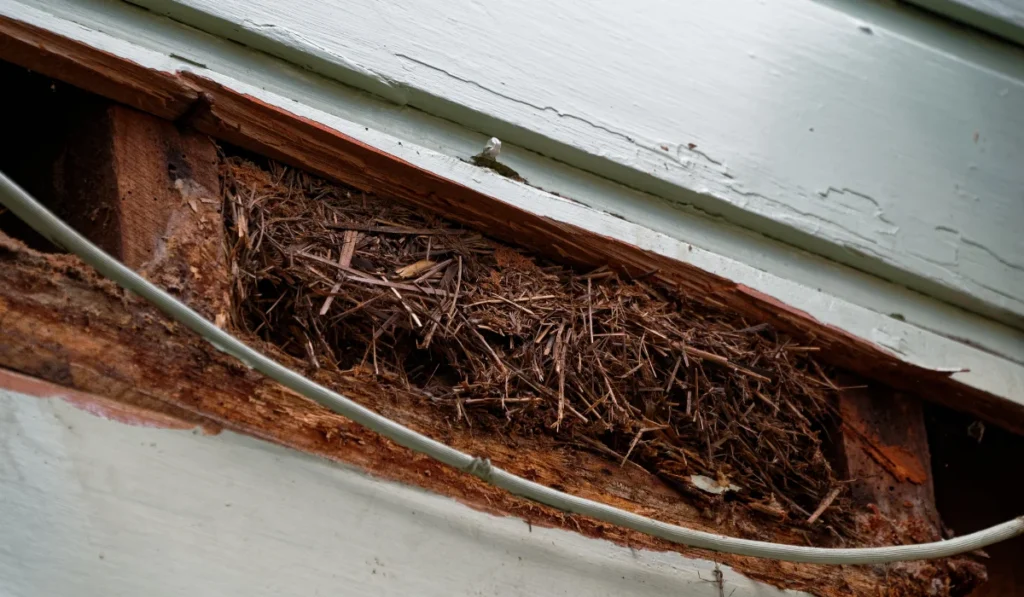
Start by confirming what you are dealing with. Look for fresh droppings that look like black grains of rice, greasy rub marks along baseboards, and gnawing on bags or boxes. Listen for late-night scratching. Shredded paper or insulation often signals nesting by house mice.
Columbus homeowners must check kitchens, pantries, laundry rooms, and garages, especially around the water heater. If you see new droppings for two days in a row, you likely have an active mouse infestation. Begin your Columbus, MS, pest control plan right away to prevent a larger rodent infestation.
If you want to stop rodents before they move in, inspect these areas each season and repair gaps before the first cool nights arrive.
Step 2: Clean Up and Store Food Tightly
Good sanitation makes every other step work better. Wipe counters each night, sweep floors, and take out trash on a schedule. Put pasta, cereal, and snacks in sturdy containers with tight lids. Pick up pet bowls before bed and store extra pet food in sealed bins.
Many Columbus homes have a second fridge or shelves in the garage. These spots can become snack stations for mice. Tidy these areas and remove clutter to cut hiding places. Proper sanitation supports pest control, whether you handle it yourself or hire a pro.
A clean, organized space helps protect your home from rodents and Hantavirus while making traps and baits more effective.
Step 3: Exclusion and Sealing Entry Points Before Trapping
You cannot solve a mouse problem if more mice keep getting in. They can slip through gaps as small as a nickel. Seal entry points around AC lines, dryer vents, cable holes, crawl-space doors, and garage door seals. Add door sweeps where you see daylight and use rodent-proof materials.
After windy storms near Military Road, College Street, and Main Street, check soffits, roof returns, and foundation vents. Exclusion stops repeat visits and cuts the need for repeat extermination. If the job feels big, our team at Waynes Pest Control offers Mississippi wildlife removal and full-home sealing.
These same sealing steps apply if you’re learning how to get rid of rodents that invade attics or garages.
Step 4: Trap Like A Pro For Fast Extermination
After you seal your house, start trapping. Place snap traps along walls, behind the stove, under the sink, and along garage edges. Face the trigger toward the wall so mice hit it as they follow the edge. Prebait with a tiny dab of peanut butter for one night, then set several traps at once for a fast knockdown.
Space traps every 6 to 8 feet in rooms with fresh droppings. Check and reset them daily for the first week. Keep kids and pets away from traps. If signs stop and no new droppings appear, your plan is working. If signs show up in new rooms, add traps there and recheck entry points.
Step 5: Focus On Attics, Crawl Spaces, And Garages
Attics, crawl spaces, and garages are common hot spots in Columbus homes. Attics offer warmth and soft insulation, inviting nesting. Place secured stations and traps where only mice can reach them. In crawl spaces, inspect sill plates, plumbing cutouts, and foundation vents. Seal even small gaps to block travel routes.
Garages near Highway 45 and rural properties outside town often need extra attention. Weather-strip the garage door, patch gaps where walls meet the slab, and move pet food to lidded containers. These areas are frequent launch points for a new infestation, so invest time here even if you only see light activity.
Step 6: Clean Up Mouse Droppings Safely
Wear gloves and a mask while cleaning. Lightly mist droppings and nests with a household cleaner, then wipe them down and double-bag the waste. Avoid dry sweeping dusty corners, as exposure to droppings may put you at risk of hantavirus.
After cleanup, monitor those spots for 48 to 72 hours. No new droppings usually means your mouse control plan is working.
If fresh droppings return near a pantry, under a bathroom sink, or in the laundry room, add traps to those runways and recheck your exclusion work. Repeat the cleaning steps so bait and traps are the only food sources left.
Step 7: When To Call A Pro In Columbus
If you still hear scratching or find new droppings after a week, it is time to call a professional pest control company.
Columbus exterminators inspect wall voids, ceilings, and attics, locate travel routes, and design a plan that fits your home. Follow-up visits help ensure rodent extermination sticks.
At Waynes Pest Control, we serve Mississippi homeowners with pest control services and steady guidance. Our technicians bring years of experience with house mice, rats, and other critters.
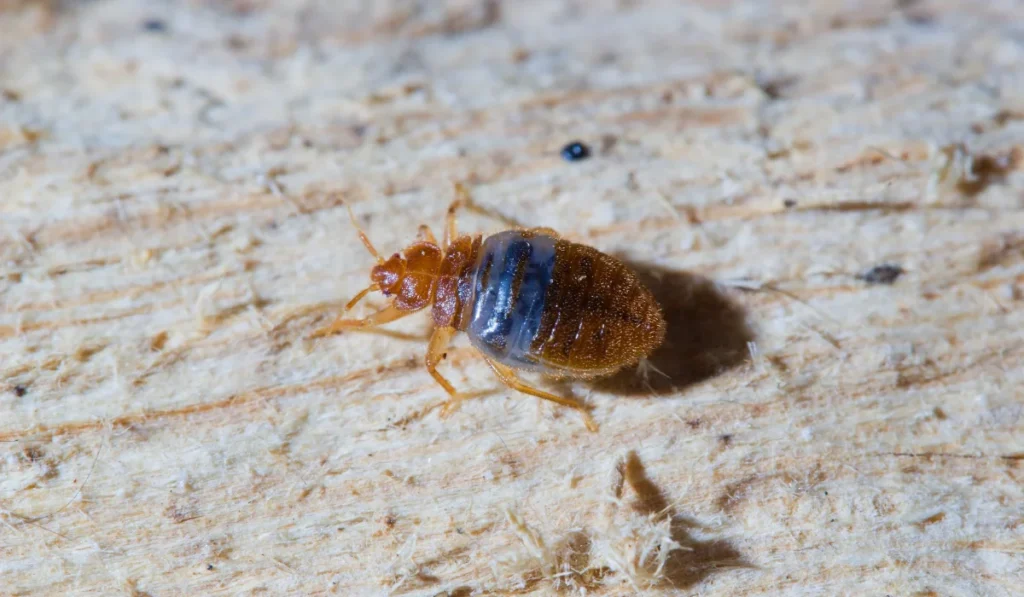
We also treat wasps, cockroaches, and bed bugs through our EnviroPest Bundles, so one visit can address several issues at once.
Common Mistakes And How To Avoid Them
A common mistake is setting one or two traps and stopping. For steady results, place several traps where mice travel and check them daily for the first few days. Keep baits fresh and give traps time to work.
Skipping exclusion is another costly error. You might catch a few mice, but if you do not seal the structure, new ones slip in. Make exclusion your long-term fix. It pays off with fewer return visits and less need for repeat treatment.
Ignoring quiet zones is the third mistake. Attics and crawl spaces may look fine, but mice often use them as highways between rooms. Inspect these areas in Columbus homes, especially after heavy rain.
What About Other Wildlife And Critters In Columbus?
Not every noise in the attic is a mouse. Our wildlife control team helps with opossums, raccoons, skunks, and squirrels that enter through torn screens or damaged soffits. Humane removal paired with solid exclusion protects wiring and insulation and prevents repeat visits.
If you notice signs that you need commercial rodent control, such as rodent droppings around food packages, under sinks, or cabinets, or see signs of chewing in your shop or restaurant near Main Street, consider commercial pest control in Mississippi with routine monitoring.
Our Smart Commercial Rodent Control can include rodent control and pest management for cockroaches and wasps. We also offer eco-friendly options that fit your building and staff routine.
In addition, we provide termite treatment across Mississippi. Pair your rodent plan with a termite inspection, especially in older Columbus homes.
Making The Right Mouse Control Choice For Columbus Homeowners
A few steady habits stop most mouse problems: seal the house, clean up food, and place traps where mice travel. If signs continue, a local team can finish the job quickly and safely. You have clear steps to get rid of mice and keep them out.
At Waynes Pest Control, our team is ready to help Columbus homeowners with professional pest control, rodent extermination, exclusion, and long-term pest prevention.
Contact us today for a free quote, and let us build a plan that fits your home and schedule.
FAQs
How fast can a mouse problem grow in Columbus?
House mice breed quickly. A minor issue can become a mouse infestation in a few weeks. Act at the first signs, seal entry points early, and place several traps at once to prevent the problem from spreading to attics and garages.
Will this plan work for my small business?
Yes. Commercial pest control pairs routine monitoring with fast response. We can set schedules that fit your hours and include rodent control, pest prevention, and service for cockroaches and wasps to keep your Columbus location protected.
What if I suspect other animals in my attic?
Call for wildlife control. We handle opossum, skunk, and raccoon removal, then seal the structure to prevent reentry. If needed, we can check for termite issues during the same visit and schedule termite control for long-term protection.