Skip to content

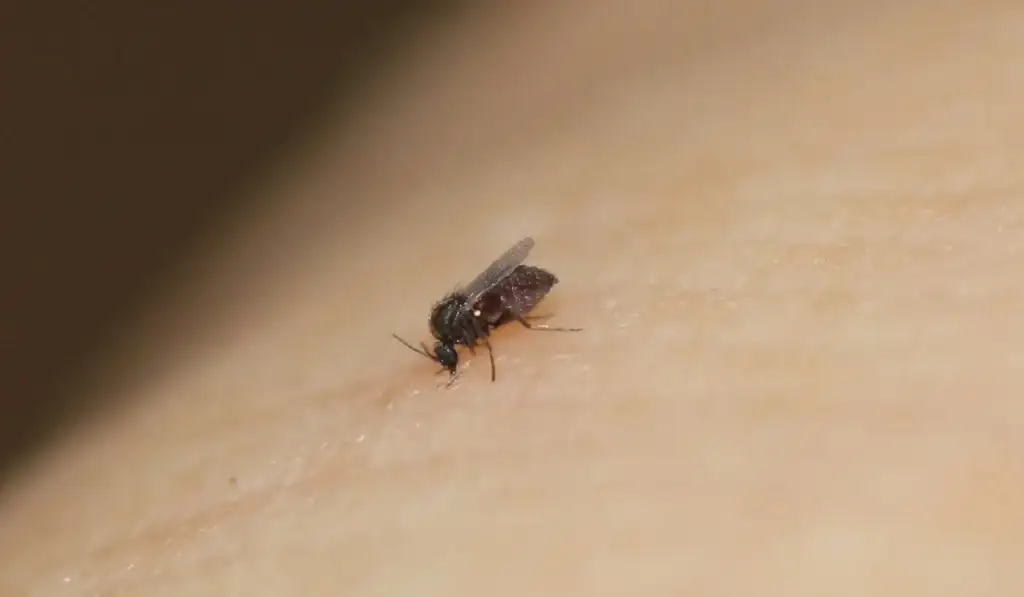
Biting midges, sand gnats, or sand flies, commonly known as Florida no-see-ums, are minuscule biting flies that often cause discomfort in coastal yards, patios, beaches, and marsh edges. Because of their tiny size, you might experience their small, itchy bites without ever spotting the insect itself.
These animals are particularly troublesome across coastal Florida, thriving in damp outdoor spaces, swamps, bays, marshes, and mangroves. If you notice irritating bites during humid, low-wind periods or around dawn and dusk, no-see-ums could very well be the culprit.
Key Takeaways
- No-see-ums are tiny biting midges, not fleas or mosquitoes.
- They are common coastal pests in Florida.
- Bites often happen around dawn, dusk, humid weather, and protected outdoor areas.
- Some can pass through standard window and door screens.
What Are Florida No-See-Ums?
Commonly referred to as sand flies or sand gnats, no-see-ums are biting midges belonging to the genus Culicoides. In Florida, multiple coastal species utilize swamps, marshes, and mangroves as their larval habitats.
They are much smaller than mosquitoes, which is why many people feel the bite before they see the insect. Some species are small enough to pass through ordinary screens, making them especially frustrating around porches, patios, and coastal homes.
How to Identify No-See-Ums
No-see-ums are hard to identify by sight because of their size. Most homeowners identify them by the bite pattern, location, and timing.
Common clues include:
- Tiny flying insects that are difficult to see
- Itchy red bumps after outdoor exposure
- Bites on exposed skin
- Activity near marshes, bays, beaches, or wetlands
- More biting around dusk, dawn, or calm humid periods
- Bugs entering screened areas through small openings
If the insect is easy to see, long-legged, and buzzing around standing water, it may be a mosquito instead. If bites are happening indoors near pets, rugs, or bedding, fleas or bed bugs may be part of the inspection.
No-See-Um Bites: What They Feel Like
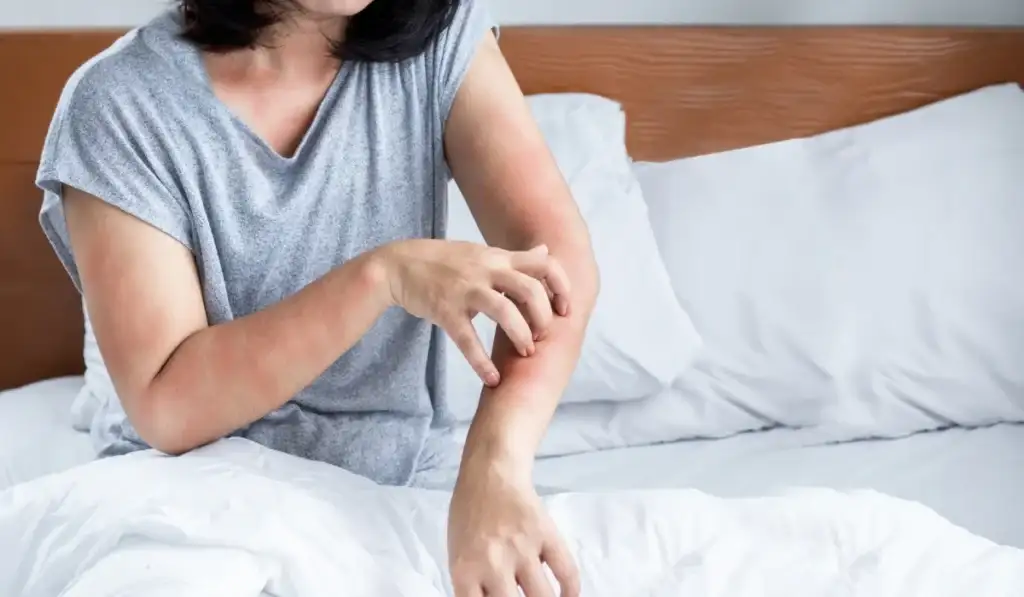
No-see-um bites can feel sharp or irritating when they happen, followed by itching, redness, swelling, or small raised bumps. Some people react mildly, while others develop stronger irritation.
Common bite reactions may also include:
- Clusters on exposed skin
- Irritation that worsens after scratching
Try not to scratch. Scratching can irritate the skin and increase the risk of infection. If a bite becomes painful, warm, swollen in an unusual way, infected-looking, or is followed by fever or other concerning symptoms, contact a healthcare provider.
When Are No-See-Ums Most Active in Florida?
No-see-ums can be active for much of the year in warm, coastal parts of Florida. Activity often depends on moisture, wind, temperature, and nearby breeding habitat rather than one simple calendar season.
You may notice more activity:
- Around dawn
- Around dusk
- During humid weather
- After rain
- In low-wind outdoor areas
- Near marshes, bays, beaches, or mangroves
- Around shaded patios, porches, and yards
- Near damp soil or organic material
They are weak fliers compared with many larger insects, so air movement can make a difference. A breezy porch may feel much better than a still, shaded seating area.
Where No-See-Ums Breed
No-see-ums do not breed in dry sand or clean indoor spaces. Their immature stages develop in moist environments with organic material. In Florida, that often means coastal or damp habitats.
Possible breeding areas include:
- Salt marshes
- Mangroves
- Swamps
- Muddy shorelines
- Wet soil
- Damp organic matter
- Drainage areas
- Low-lying wet areas
- Moist vegetation near water
That is why no-see-um problems can be difficult to eliminate completely near coastal neighborhoods. Even if your yard is maintained, nearby marshes, wetlands, or drainage areas can keep pressure high.
No-See-Ums vs. Mosquitoes
No-see-ums and mosquitoes both bite, but they are not the same pest.
No-see-ums are much smaller, often harder to see, and may slip through standard screens. Mosquitoes are larger, easier to recognize, and need standing water for their egg, larval, and pupal stages.
Both pests can make outdoor spaces uncomfortable, and both are affected by weather, moisture, and outdoor conditions. The Florida Department of Health’s mosquito and insect-borne disease prevention guidance recommends covering exposed skin, using EPA-registered repellents as directed, repairing screens, and reducing standing water around the home.
No-See-Ums vs. Sand Fleas
People often blame “sand fleas” for itchy bites near the beach. In Florida, that name can mean different things. True beach sand fleas are often mole crabs, which are not the same as biting midges. If you are getting itchy bites near coastal areas, no-see-ums may be the more likely cause.
The difference matters because the response is different. No-see-ums are flying insects tied to moist breeding habitats. Flea problems are usually connected to pets, wildlife, shaded yard areas, carpets, bedding, or animal resting spots.
Why No-See-Ums Keep Biting Around Your Home
No-see-ums are often tied to the broader environment around a property. Coastal neighborhoods, marsh edges, shaded yards, and damp landscaping can all increase activity.
Biting may be worse when a home has:
- Low air movement around patios
- Dense vegetation near seating areas
- Damp soil or drainage issues
- Nearby marshes or wetlands
- Damaged or loose screens
- Outdoor lights attracting insects
- Shaded areas where pests can rest
- Pets or people spending time outside during peak activity
If the issue is mostly outdoors, the goal is to reduce resting areas, improve barriers, and limit biting pressure where people spend time.
How to Reduce No-See-Um Bites
No-see-um prevention works best when you combine personal protection, screening, airflow, and yard maintenance.
Helpful steps include:
- Use EPA-registered insect repellent as directed.
- Wear long sleeves, pants, socks, and shoes during peak biting times.
- Use fans on patios or porches to increase air movement.
- Repair torn window, door, porch, and patio screens.
- Ask about finer mesh if standard screens are not keeping insects out.
- Reduce damp leaf litter and organic debris near seating areas.
- Keep gutters draining properly.
- Avoid sitting near marshy or damp areas at dawn and dusk.
- Keep grass and vegetation trimmed near outdoor gathering spaces.
These steps may not remove every no-see-um near coastal habitat, but they can make outdoor areas more manageable.
When to Call Waynes
Call us if biting pests are making your yard, patio, porch, or pet areas hard to enjoy, or if you are not sure whether the issue is no-see-ums, mosquitoes, fleas, or another pest. Waynes provides pest control services in the Florida Panhandle for common household pests, and our specialty Mosquito Plus service helps protect against mosquitoes, fleas, and ticks.
Because no-see-ums are often tied to outdoor habitat and weather, we start with inspection and practical recommendations rather than guessing from bites alone. If bites are happening indoors, we can also help check whether fleas, bed bugs, mosquitoes, or another pest may be involved.
For help with biting pests around your Florida Panhandle home, contact Waynes for a quote.
FAQs About Florida No-See-Ums
Are no-see-ums common in Florida?
Yes. No-see-ums are common in parts of Florida, especially coastal areas with marshes, swamps, mangroves, damp soil, or protected outdoor spaces.
What do no-see-um bites look like?
No-see-um bites often look like small red itchy bumps. Some people develop swelling or clusters of bites on exposed skin.
Can no-see-ums get through screens?
Yes. Some biting midges are small enough to pass through standard window and door screens. Finer mesh, repairs, and better sealing may help reduce entry.
Are no-see-ums the same as mosquitoes?
No. No-see-ums are biting midges, while mosquitoes are a different group of flying insects. Both can bite, but they differ in size, breeding habitat, and behavior.
Does Waynes treat no-see-ums in Florida?
Waynes can help inspect biting pest activity and identify whether the issue is no-see-ums, mosquitoes, fleas, or another pest. In the Florida Panhandle, our pest control and Mosquito Plus services can help with common biting pest concerns.