Skip to content


Florida mosquitoes are more than a backyard annoyance. They can make patios, pools, porches, and coastal yards difficult to enjoy, and some species can spread disease.
Florida has many mosquito species, but homeowners usually need to focus on a few practical questions: where they are breeding, when they are most active, and why they keep returning after rain.
Around Florida Panhandle homes, mosquitoes often build up where standing water, shade, thick vegetation, clogged gutters, or damp debris give them places to rest and reproduce.
Key Takeaways
- Florida has more than 80 mosquito species, but not all are major household pests.
- Mosquitoes need water for their egg, larval, and pupal stages.
- Aedes, Culex, Anopheles, and saltmarsh mosquitoes are important groups to recognize.
- Activity often increases after rain, during warm weather, and around shaded or damp areas.
Why Florida Has So Many Mosquitoes
Florida’s warm, humid climate gives mosquitoes a long active season. Rain, irrigation, wetlands, coastal marshes, ditches, containers, and shaded yard areas can all support mosquito development.
The Florida Department of Agriculture and Consumer Services explains that Florida has more than 80 mosquito species, and nearly a quarter are considered public health threats because of the pathogens they may transmit. That does not mean every mosquito bite is dangerous. It does mean mosquito identification, prevention, and source reduction matter.
Common Mosquito Groups in Florida
Most homeowners will not identify mosquitoes down to the species level. Still, knowing the main groups can help explain why mosquitoes show up in different parts of the yard.
Aedes Mosquitoes
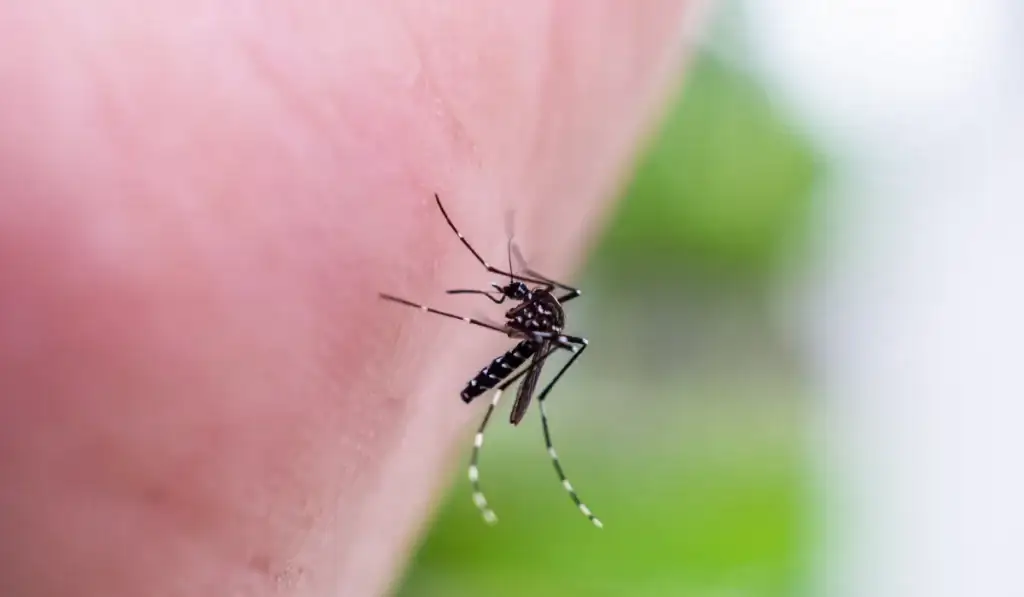
Aedes mosquitoes include container-breeding species that can develop in small amounts of water. UF/IFAS notes in its Florida container mosquitoes guide that container mosquitoes use small natural and artificial water-filled vessels during their immature stages. This group includes the yellow fever mosquito, Aedes aegypti, and the Asian tiger mosquito, Aedes albopictus.
Common container sources include:
- Buckets
- Flowerpot saucers
- Birdbaths
- Toys
- Tarps
- Tires
- Gutters
- Bromeliads
- Pet bowls
- Small depressions that hold water
These mosquitoes can be aggressive biters around homes because they may breed close to where people sit, garden, grill, and play.
Culex Mosquitoes
Culex mosquitoes are another important group in Florida. Some species are associated with bird-mosquito disease cycles and may be active in the evening or at night.
UF/IFAS lists the Florida SLE mosquito, Culex nigripalpus, among its mosquito profiles and describes it as a significant disease vector in Florida, primarily tied to St. Louis encephalitis and potentially eastern equine encephalitis. Homeowners do not need to identify the exact Culex species in the yard, but repeated mosquito activity near standing water or thick vegetation should not be ignored.
Anopheles Mosquitoes
Anopheles mosquitoes are best known globally for their connection to malaria transmission, although mosquito risk varies by species, location, and public health conditions. In Florida homes, they may be part of the mosquito mix around wetlands, ditches, ponds, and other water sources.
For homeowners, the main takeaway is simple: mosquitoes do not all use the same breeding sites. That is why inspection matters when mosquito activity keeps returning.
Saltmarsh Mosquitoes
Saltmarsh mosquitoes are especially relevant in coastal Florida and Panhandle areas. They may develop in marshes and floodwater habitats, then move into neighborhoods when conditions favor large populations.
If your home is near wetlands, bays, marshes, drainage areas, or low-lying coastal habitat, mosquito pressure can feel different from a home where the main issue is a few water-filled containers.
When Is Mosquito Season in Florida?
Florida mosquitoes can be active for much of the year, especially in warm and humid areas. Activity usually increases when temperatures rise and rain creates new breeding sites.
In many Florida Panhandle yards, mosquitoes are most noticeable:
- After rainfall
- During warm, humid weather
- Around dusk and dawn
- In shaded, protected areas
- Near standing water
- Around thick vegetation
- After gutters, tarps, toys, or containers collect water
The season is not only about the calendar. A few days of rain can create new breeding sites, while a mild stretch of weather can keep adults active longer than expected.
Why Mosquito Bites Happen
Only female mosquitoes bite because they need blood meals for egg production. They locate people and animals using cues such as carbon dioxide, body heat, scent, and movement.
Bites may be more noticeable around:
- Ankles and legs
- Arms and shoulders
- Neck and ears
- Exposed skin near clothing edges
- Outdoor seating areas
- Shaded patios and porches
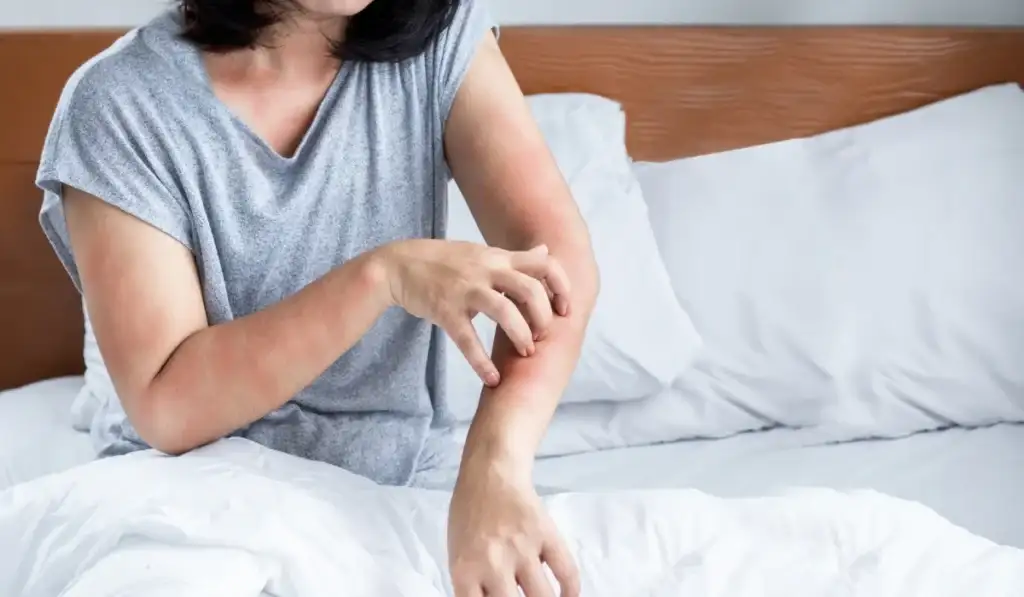
Some people react more strongly than others. Itching, redness, and swelling can vary based on sensitivity, the number of bites, and how much the area is scratched. If a bite becomes painful, swollen in an unusual way, infected-looking, or is followed by fever or other concerning symptoms, contact a healthcare provider.
Mosquito Bite Risks in Florida
Most mosquito bites are itchy and irritating. Some mosquitoes can spread viruses or parasites, which is why prevention matters.
Florida mosquito-borne disease concerns can include:
- West Nile virus
- Eastern equine encephalitis
- St. Louis encephalitis
- Dengue
- Zika
- Chikungunya
- Malaria in certain public health contexts
The Florida Department of Health recommends preventing mosquito bites by covering exposed skin, repairing screens, and using EPA-registered repellents as directed in its mosquito and insect-borne disease prevention guidance. Pest control can reduce mosquito pressure around a property, but medical questions about symptoms or illness should always go to a healthcare provider.
Where Mosquitoes Breed Around Homes
Mosquitoes need water during their early life stages. Some species use large wetlands or floodwater habitats. Others can develop in surprisingly small containers.
Check for water in:
- Buckets
- Plant saucers
- Birdbaths
- Pet bowls
- Tires
- Toys
- Tarps
- Boats or kayaks
- Trash can lids
- Clogged gutters
- Drainage dips
- Wheelbarrows
- Pool covers
- Outdoor storage bins
The smaller the container, the easier it is to miss. One overlooked bucket or clogged gutter can keep producing mosquitoes close to the home.
How to Reduce Mosquitoes Around Your Yard
Mosquito prevention starts with removing standing water and reducing resting areas. These steps are especially important after rain or heavy irrigation.
Helpful steps include:
- Empty standing water at least once a week.
- Clean gutters so water can drain.
- Turn over buckets, toys, and containers.
- Refresh birdbath water often.
- Keep pool covers from holding water.
- Trim thick vegetation near patios and walkways.
- Remove leaf piles and damp debris.
- Repair damaged window, porch, and patio screens.
- Use EPA-registered repellent as directed when mosquitoes are active.
These steps reduce breeding and help limit the number of mosquitoes close to the home. They work best when repeated, especially during rainy periods.
When to Call Waynes
Call us if mosquitoes keep returning around patios, porches, pools, play areas, or pet spaces even after you remove standing water. Waynes provides mosquito control in Panama City, FL with inspection, source identification, targeted treatment, and prevention guidance based on the activity around your property.
For homeowners across the Panhandle, our Florida pest control services include mosquito solutions along with protection against other common pests.
If mosquitoes are keeping you from enjoying your yard, contact Waynes for a free quote and we’ll help you choose the right next step.
FAQs About Florida Mosquitoes
What mosquitoes are common in Florida?
Florida has more than 80 mosquito species. Homeowners often hear about Aedes, Culex, Anopheles, and saltmarsh mosquitoes because these groups include species tied to biting, disease transmission, containers, wetlands, or coastal habitats.
Are mosquitoes active year-round in Florida?
They can be active for much of the year, especially during warm and humid weather. Activity often increases after rain, during summer, and around shaded or damp areas.
Why do mosquitoes keep coming back after treatment?
Mosquitoes can return when new standing water appears, adults move in from nearby habitats, or shaded resting areas remain. Ongoing prevention and property-specific treatment may be needed during active seasons.
What attracts mosquitoes to my yard?
Standing water, shade, thick vegetation, damp debris, clogged gutters, and outdoor activity can all make a yard more attractive to mosquitoes.
Does Waynes treat mosquitoes in Florida?
Yes. Waynes provides mosquito control in Panama City and pest control services across the Florida Panhandle. We inspect the property, identify breeding and resting areas, and recommend a mosquito plan based on your home.