Skip to content

A Florida insect problem can look different from house to house. One home may deal with ants in the kitchen, another may see roaches in the garage, and another may notice termites, mosquitoes, fleas, or bed bugs.
Florida’s warm, humid climate can keep many pests active for long stretches of the year, so identification matters. The right next step depends on what you are seeing, where you are seeing it, and whether the insects are nesting indoors, breeding outside, damaging wood, biting people or pets, or entering through exterior gaps.
Key Takeaways
- Florida homes commonly deal with ants, roaches, termites, mosquitoes, fleas, flies, bed bugs, and stinging insects.
- Identification starts with body shape, wings, behavior, location, and signs of damage.
- Some insects are mostly nuisance pests, while others can bite, sting, damage wood, or contaminate food.
- Repeated sightings usually point to food, moisture, shelter, entry points, or outdoor breeding areas.
Why Florida Insects Are So Common Around Homes
Florida gives insects many of the conditions they need: warmth, moisture, vegetation, standing water, mulch, and plenty of outdoor hiding places. Around the home, insects often become a problem when they find food, water, shelter, or an easy route inside.
The UF/IFAS household and structural pests guide groups many common home pests into categories such as ants, bed bugs, cockroaches, stored product insects, and termites. For homeowners, that range matters because a small crawling insect in the kitchen could be an ant, roach nymph, pantry pest, or something else entirely.
Ants
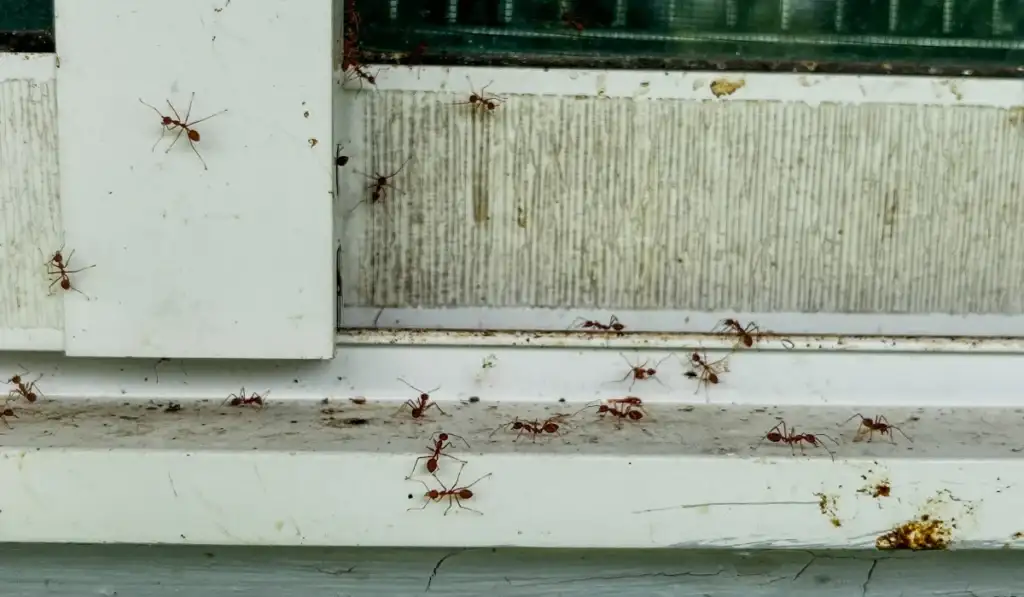
Ants are among the most common insects Florida homeowners notice indoors and outside. They may trail across counters, enter around windows, nest in soil, or show up near pet food, trash, sinks, and sweet spills.
Common signs include:
- Trails along counters, baseboards, or exterior walls
- Small piles of soil near cracks or pavers
- Ants around food, pet bowls, or trash
- Activity after rain or irrigation
- Nesting near mulch, patios, or foundation edges
Some ants are mainly nuisance pests. Others can bite, sting, or damage wood. Because ant control depends on the species and nest location, repeated trails are worth inspecting instead of spraying only the ants you can see.
Cockroaches
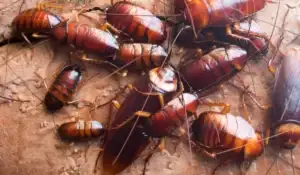
Cockroaches in Florida range from small indoor roaches to large outdoor roaches people often call palmetto bugs. The UF/IFAS cockroach management guide lists several roaches found in and around Florida homes, including German, American, smokybrown, brown-banded, Australian, Asian, and Florida woods cockroaches.
Identification clues include:
- Small tan roaches near kitchens or bathrooms
- Large dark roaches near garages, drains, patios, or mulch
- Droppings near cabinets, drawers, or appliances
- Egg cases in hidden areas
- Roaches scattering when lights turn on
- Musty or oily odor in heavier infestations
German cockroaches are especially concerning because they can reproduce indoors. Larger outdoor roaches may wander inside, but repeated sightings still point to moisture, entry gaps, or outdoor harborage nearby.
Termites
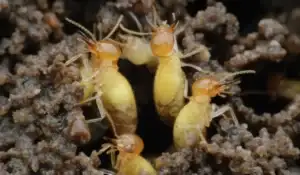
Termites are insects that feed on cellulose, which includes wood and other plant-based materials. Florida homeowners should take termite signs seriously because damage can stay hidden behind walls, floors, trim, and structural wood.
Common warning signs include:
- Mud tubes on walls, foundations, or crawl space supports
- Swarmers near windows, doors, or lights
- Discarded wings
- Hollow-sounding wood
- Blistered or rippled wood surfaces
- Pellet-like droppings from drywood termites
- Tiny holes in wood
Subterranean and drywood termites are two of the termite groups homeowners most often need to recognize. Subterranean termites often need soil or moisture access, while drywood termites can live inside wood without soil contact.
Mosquitoes
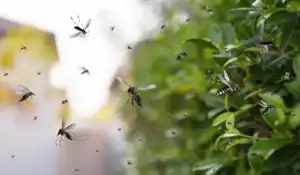
Mosquitoes are flying insects that become especially frustrating around patios, yards, porches, and shaded outdoor areas. They need water to complete their life cycle, so even small containers can support breeding.
Common mosquito sources include:
- Buckets
- Flowerpots
- Birdbaths
- Pool covers
- Toys
- Gutters
- Tarps
- Pet bowls
- Low areas that hold water
The Florida Department of Health recommends draining standing water, repairing damaged screens, covering skin when mosquitoes are active, and using EPA-registered repellents as directed. Its mosquito bite prevention guidance is a useful reference for reducing mosquito exposure around homes.
Fleas
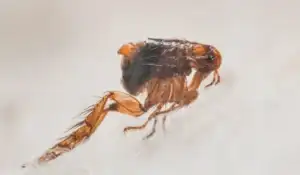
Fleas are small, jumping insects that feed on blood. They are often connected to pets, wildlife, shaded yard areas, and indoor resting spots where animals spend time.
Signs may include:
- Pets scratching or biting at skin
- Small dark specks in pet bedding
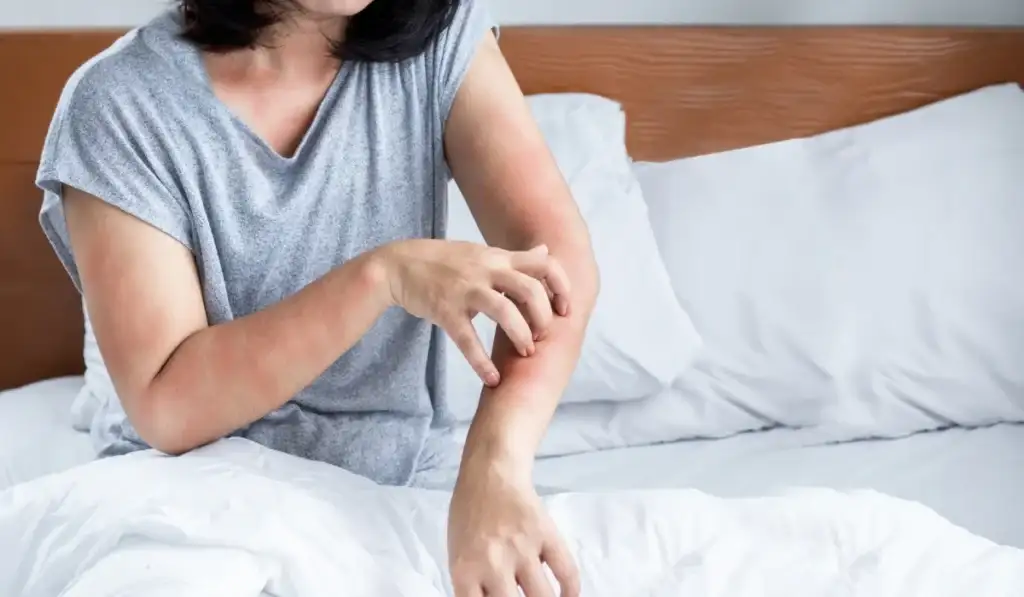
- Bites around ankles or lower legs
- Tiny jumping insects on rugs or furniture
- Activity in shaded outdoor areas where pets rest
Flea control usually needs more than treating one room. The source may involve pets, carpets, furniture, bedding, yard areas, or wildlife activity near the home.
Bed Bugs
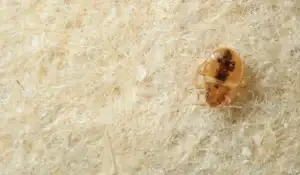
Bed bugs are small, flat insects that hide near places where people rest. They do not live only in beds, and they can move with luggage, used furniture, bags, clothing, and other carried items.
Signs may include:
- Small dark spots on sheets or mattress seams
- Shed skins
- Tiny pale eggs in cracks or seams
- Live bugs near mattress edges, headboards, or furniture
- Bites that appear after sleeping
Bed bugs are difficult to control because they hide in tight spaces. If you suspect them, avoid moving furniture or bedding through the home until the activity is inspected.
Flies
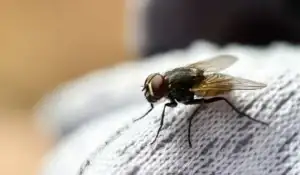
Flies can be more than an outdoor nuisance. Different fly species are tied to different sources, so location is the biggest clue.
Common fly sources include:
- Trash
- Drains
- Overripe fruit
- Pet waste
- Food residue
- Compost
- Moist organic buildup
- Open doors or torn screens
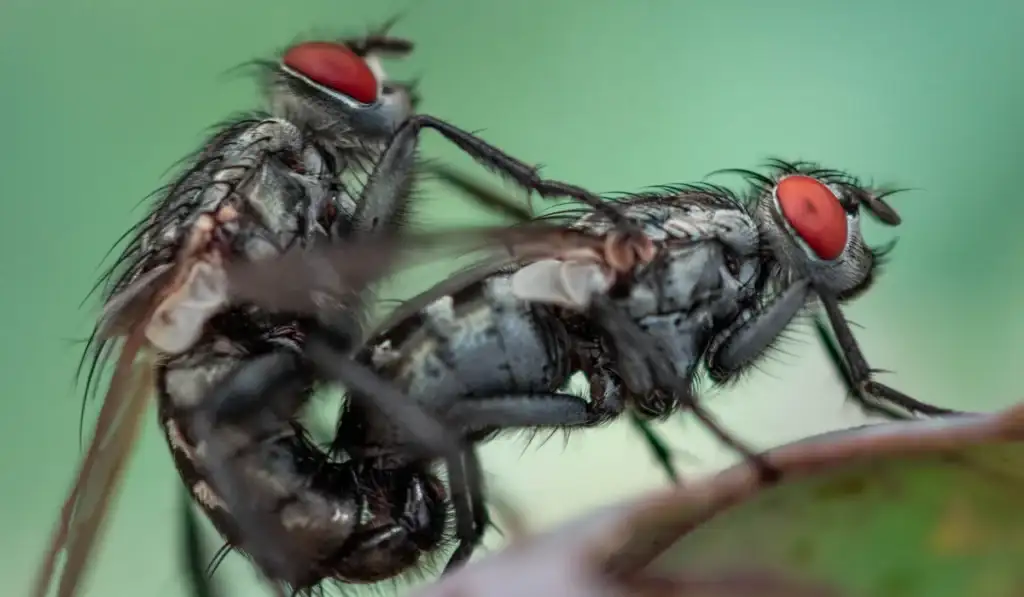
Small flies near drains may point to buildup in plumbing areas. Fruit flies may be tied to produce, bottles, or sticky residue. Larger flies may be entering from outside or breeding in decaying organic material.
Wasps, Hornets, and Yellow Jackets
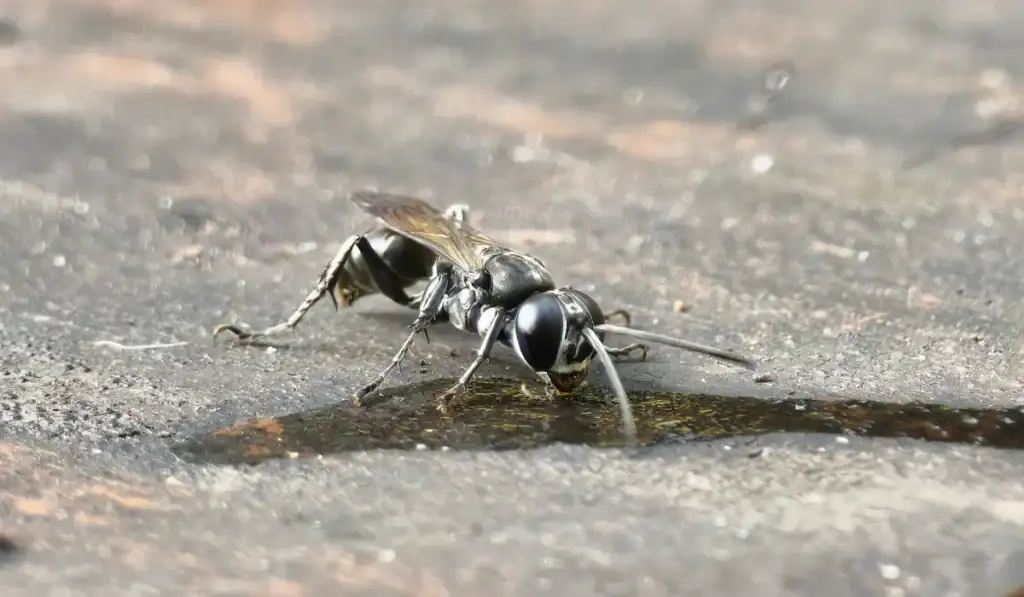
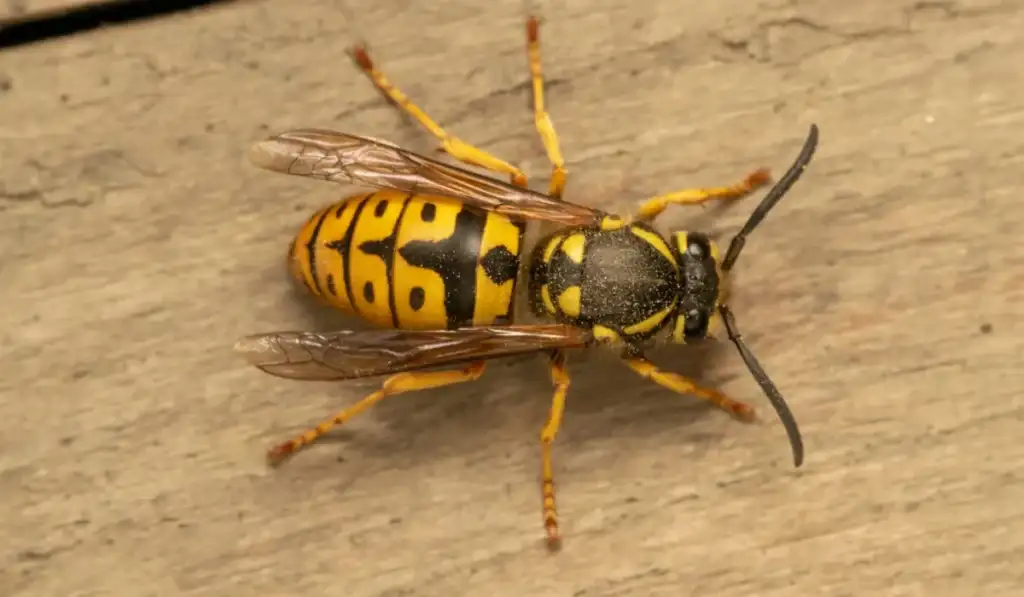
Wasps, hornets, and yellow jackets are stinging insects that may build nests around eaves, trees, shrubs, wall voids, sheds, or ground openings. Some are more aggressive when a nest is disturbed.
Watch for:
- Repeated flight to one entry point
- Paper-like nests under eaves
- Insects entering holes in the ground
- Activity around trash, food, or sweet drinks
- Stinging insects near decks, patios, or play areas
Do not disturb a nest near the home. If stinging insects are nesting near doors, walkways, children’s areas, or outdoor seating, professional help is safer than trying to remove it yourself.
Pantry and Stored Product Insects
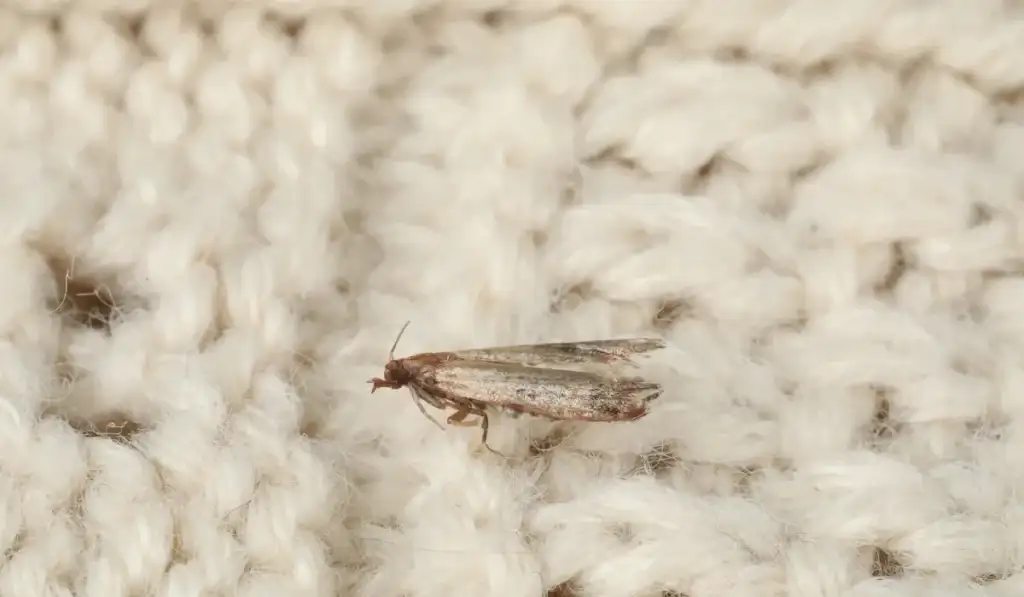
Small insects in flour, cereal, rice, pet food, pasta, or spices may be stored product pests. These insects are often brought inside through infested food packaging and can spread to nearby pantry items.
Signs include:
- Small beetles or moths near pantry shelves
- Webbing inside food packages
- Larvae in dry goods
- Insects near pet food or bird seed
- Activity around cabinets or storage bins
The first step is to find and remove the infested product. Store dry goods in sealed containers and clean shelves thoroughly before restocking.
How to Tell What Insect You Found
You do not need to be an entomologist to make a better first guess. Start with the basics.
Ask:
- Is it crawling, flying, jumping, or swarming?
- Does it have wings?
- Where did you find it?
- Is there food, water, wood, fabric, or pet activity nearby?
- Are there droppings, wings, shed skins, trails, or damage?
- Did the activity happen once or repeatedly?
- Is it indoors, outdoors, or moving between both?
Take a clear photo if you can do so safely. Keep the insect if it is already dead and can be saved in a small bag or container for identification.
How to Reduce Insects Around Your Home
Prevention starts with the conditions insects use to survive. These steps will not solve every infestation, but they can reduce pressure around the home and support professional treatment.
Helpful steps include:
- Seal gaps around doors, windows, pipes, and utility lines.
- Fix leaks under sinks and around appliances.
- Store food and pet food in sealed containers.
- Take trash out regularly.
- Keep gutters clear and draining.
- Remove standing water from containers.
- Pull mulch back from the foundation.
- Trim shrubs away from exterior walls.
- Repair torn screens.
- Reduce clutter in garages, closets, and storage areas.
If the same insect keeps coming back, the source may be hidden. That is when inspection becomes the next step.
When to Call Waynes
Call us if insects keep returning, you are seeing signs of nesting or damage, or you are not sure what pest you found. Waynes provides pest control services in the Florida Panhandle for common household pests, including termites, mosquitoes, cockroaches, flies, ants, bed bugs, and more.
Our team starts with inspection, identifies pest activity and entry points, and builds a plan based on your home rather than guessing from surface-level symptoms.
If insects are showing up indoors, damaging wood, biting, stinging, or making your outdoor spaces harder to enjoy, contact Waynes for a free quote and we’ll help you decide the right next step.
FAQs About Common Florida Insects
What insects are most common in Florida homes?
Common Florida household insects include ants, cockroaches, termites, mosquitoes, fleas, flies, bed bugs, wasps, and stored product pests. The exact issue depends on where the insect appears and what signs come with it.
What Florida insects damage homes?
Termites are the main wood-damaging insects homeowners should watch for. Some ants can also affect wood or structures, depending on the species and nesting behavior.
Why do insects keep coming inside?
Insects often enter for food, water, shelter, warmth, or nesting space. Gaps around doors, windows, pipes, vents, and utility lines can give them easy access.
Are all Florida insects dangerous?
No. Many insects are harmless outdoors, and some are beneficial. The concern increases when insects bite, sting, contaminate food, damage wood, breed indoors, or return repeatedly.
Does Waynes treat common insects in Florida?
Yes. Waynes provides pest control services in the Florida Panhandle for common household insects and other pests. We inspect first, identify the pest, and recommend treatment based on the activity we find.