
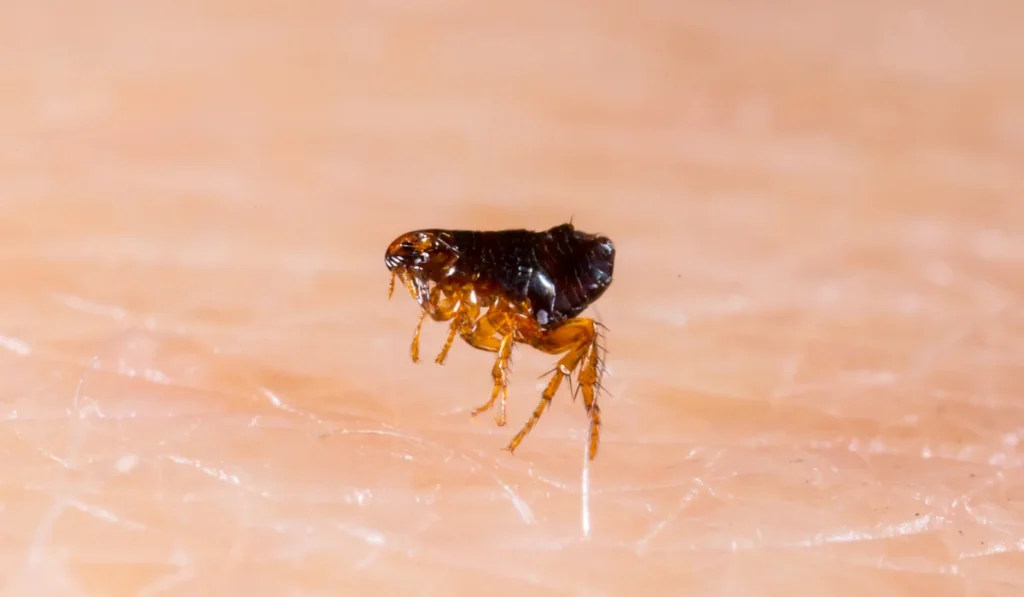
Fleas in Florida can be a year-round problem along the Gulf Coast, including the Florida Panhandle. If your pet is scratching more than usual, you notice flea dirt near bedding, or small jumping insects show up around rugs and furniture, the problem may extend beyond the adult fleas you can see. Knowing how the flea life cycle works, where fleas tend to collect, and what to do after you find them can help you respond more effectively.
Why Fleas in Florida Can Be a Year-Round Problem
Fleas in Florida do not always follow the seasonal pattern homeowners may expect in colder parts of the country. Waynes identifies fleas as a year-round concern in Gulf Coast service areas, so homeowners in the Florida Panhandle may encounter activity outside spring and summer.
Once fleas make their way indoors, the problem is no longer limited to the animal that carried them. Eggs and immature stages can be present in carpets, rugs, upholstery, cushions, pet bedding, flooring joints, and cracks between wood floorboards. Those areas can continue supporting flea development even when you are not seeing many adults.
Your Pet and Your Home Are Connected
Adult fleas prefer animal hosts, but they can bite people when animal hosts are unavailable. They locate potential hosts through cues that include body heat, movement, vibration, and breathing.
That makes flea control a two-part job. Treating only your pet can leave developing fleas in the home, while cleaning floors and furniture without maintaining flea prevention on your pet can allow the cycle to continue.
How to Recognize a Flea Infestation
A flea infestation often becomes obvious because something changes with your pet. Increased scratching, restlessness, hair loss, visible fleas, flea dirt, and bites can all point to flea activity.
One sign alone does not confirm the cause. A pet may scratch or lose hair for reasons unrelated to fleas, so a veterinarian should evaluate ongoing skin or coat problems. Inside the home, seeing adult fleas or finding flea dirt around the places your pet spends time gives you stronger evidence that fleas are present.
Where to Check First
Start with your pet’s routine. Check bedding, blankets, rugs, upholstered furniture, and nearby flooring before searching areas your pet rarely uses.
A dog that sleeps in a bedroom, lounges on the sofa, and rests on a rug in the afternoon can create several places where flea activity becomes concentrated. Following those habits helps you focus your inspection where it is most likely to be useful.
Understanding the Flea Life Cycle
The flea life cycle has four stages: egg, larva, pupa, and adult. This matters because the adult fleas you see are only one stage of an infestation.
Waynes’ flea guidance notes that immature stages can make up a large share of the flea population in a home. Eggs, larvae, and pupae may remain in the environment after many visible adults have been removed, which is one reason flea problems can seem to disappear and then return.
| Flea Stage | What It Means for Your Home |
| Egg | Eggs can remain in areas where pets spend time and become part of the developing population. |
| Larva | Larvae develop away from the adult host in protected areas of the home. |
| Pupa | Pupae may remain after an initial treatment and later develop into adults. |
| Adult | Adults are the stage you are most likely to notice on pets or moving through the house. |
Removing the fleas you can see does not necessarily end an established infestation. Control needs to account for adults that may continue developing from immature stages already present in the home.
Why Fleas May Still Appear After Treatment
Seeing fleas after a professional service can be frustrating, but it does not automatically mean the treatment failed. Waynes advises homeowners that flea activity may continue for two to four weeks after treatment as developing fleas reach adulthood. Waynes refers to this period as the “pupal window.”
Vacuuming has a specific purpose during this period. Waynes recommends vacuuming floors, baseboards, floor registers, spaces beneath furniture, furniture cushions, and areas where pets spend the most time. The vibration from vacuuming can stimulate pupae to continue developing, allowing newly emerged adults to come into contact with the treatment already in place.
Where Fleas Hide Inside Your Home
If you find fleas in the house, pay the most attention to places your pets use every day. Fleas and immature stages may be present in carpets, rugs, pet bedding, furniture, upholstery, cushions, flooring joints, and cracks between wood floorboards.
This can make a flea problem seem as if it is spreading unpredictably from room to room. In many homes, the pattern follows the pet instead. Several resting areas may be supporting activity at the same time.
Focus on Pet Resting Areas
Pet beds, washable blankets, favorite rugs, and upholstered furniture deserve close attention because pets return to them repeatedly. Cleaning these areas also gives you a better way to monitor whether flea activity is declining.
Waynes recommends washing bedding and slipcovers that pets regularly contact. Picking up items from floors and clearing space beneath furniture also improves access for vacuuming and for professional treatment when service is needed.
What Homeowners Can Do About Fleas
Managing fleas in Florida works best when pet care and household cleaning happen together. Waynes recommends keeping pets on appropriate flea prevention because treating the home alone will not provide lasting results if fleas continue feeding and reproducing on an untreated animal.
A veterinarian can help you choose an appropriate flea prevention option for your pet. That is a better approach than guessing, especially when several products or pet health considerations may be involved.
Vacuum the Areas That Matter Most
Concentrate on rugs, carpeted rooms, pet resting areas, furniture, and spaces beneath beds and tables where flea activity has been noticed. During the two-to-four-week pupal window after professional treatment, Waynes recommends vacuuming every day or every other day.
Empty the vacuum outside after each use. Waynes also advises washing pet bedding and slipcovers that receive regular contact from animals. These steps support treatment by addressing areas where immature flea stages may remain.
Keep the Floors Accessible
Clutter can make it harder to reach the areas that need attention. Picking up items from floors and removing objects from beneath beds and tables gives you better access for vacuuming and helps a pest professional reach more of the affected space.
Cleaning alone may not resolve an established infestation, especially when flea activity is present in several rooms. Still, consistent preparation and follow-through can make the overall control process more effective.
Health Concerns Associated With Fleas
Fleas are primarily a household and pet problem, but some species can also be involved in disease transmission. That does not mean every flea infestation will make someone sick. The risk depends on the flea species, the organism involved, and the route of exposure.
One example involves tapeworms. The CDC’s information on Dipylidium infection explains that dogs, cats, and occasionally people can become infected after swallowing an infected flea.
The CDC’s information on Bartonella henselae also describes the role fleas and flea feces can play in the cycle associated with cat-scratch disease. Flea control is therefore part of maintaining a cleaner environment for both pets and the people who share the home with them.
When to Ask a Health Professional
The CDC’s guidance on murine typhus explains that infected fleas can transmit the bacteria that cause the disease to people. This is a reason to take flea activity seriously without assuming that every bite or skin irritation signals an illness.
If your pet is scratching excessively, losing hair, or showing other changes, contact a veterinarian. If a person develops concerning symptoms or has questions about bites, a medical professional should evaluate the situation rather than relying on appearance alone.
When Professional Flea Control Makes Sense
Professional flea control is worth considering when fleas continue appearing despite regular cleaning and pet prevention, when several rooms are affected, or when the problem keeps returning.
Established infestations can involve eggs, larvae, pupae, and adults at the same time. Waynes’ flea service is designed around that life-cycle challenge, and follow-up treatment may be needed depending on the infestation. Homeowners also receive preparation and after-service instructions covering vacuuming, pet-contact bedding, floor access, and ongoing flea prevention for pets.
What to Expect After Flea Treatment
The days after service still require attention. Pupae already present in the home can continue developing, so some adult flea activity may remain during the pupal window.
Continue following the instructions from your pest professional even if you start seeing fewer fleas. Ongoing vacuuming and pet prevention help address the parts of the infestation that may still be developing. If activity remains widespread or continues beyond the expected treatment period, your pest professional can determine whether another service is needed.
Managing Fleas in Your Florida Panhandle Home
Fleas in Florida can remain a concern throughout the year along the Gulf Coast, and an infestation is rarely limited to the adults you notice on a pet. The better approach is to think in terms of the full flea life cycle. Check the places your pets use most, maintain veterinarian-directed flea prevention, wash pet-contact bedding, and vacuum the areas where immature stages may remain.
If flea activity continues despite those steps, professional help may be the next practical move. Waynes Pest Control serves homeowners throughout the Florida Panhandle, and you can contact Waynes about flea control when fleas keep returning or have spread through multiple areas of your home.