
Insights, Tips, and Tales

EnviroPest FAQs

White mosquito silhouette with a dashed curved flight path on a green background

EnviroPest FAQs

Waynes EnviroPest home pest prevention solution targets a wide variety of pests that you can’t stand the sight of in or around your home — ants, roaches, spiders, fleas, rodents, ticks, centipedes, millipedes and MORE! Our EnviroPest Home Solution also takes advantage of the latest research, which shows that 95% of pest problems originate from the exterior. This solution incorporates a quarterly pest treatment process while utilizing products and techniques that are environmentally sound.

If you’re a new EnivroPest customer, you’ve already covered the details of your service with one of our specialists. However, here is a breakdown of our most frequently asked questions.

What is treated?

A thorough exterior barrier treatment will be performed around the structure(s) tri-annually. If requested, interior treatments are also available during each service.

What pests are covered?

Ants (excluding carpenter ants), crickets, mice, rats, roaches (including German roaches), silverfish, earwigs, nested flying insects and spiders (including brown recluse and black widow). Bed bugs are not included or treated by our company. Termites are not included in our EnviroPest service, however, we do offer termite protection through Constant Protection featuring the Sentricon System!

How often do you visit?

We treat quarterly – four scheduled visits per year.

If I’m still having an issue, will you come back and spray?

Yes! We offer unlimited interior and exterior re-services to provide complete year-round pest prevention.

Do I get charged extra for service calls?

No, there is no additional charge for re-services.

What is the duration of the agreement?

The service agreement lasts one year from the date of service initiation. The agreement automatically renews every year unless terminated by the customer.

I have a lot of spider webs, is that included?

Yes! Web-brushing is included in the quarterly visits to help control spider populations and improve curb appeal.

* Additional Fees will apply to major exclusion procedures and/or service calls regarding any pest not listed above including, but not limited to: flying (airborne) insects, fire ants (if more than 10 feet from home), birds, squirrels, snakes, opossums, and armadillos.

Rebecca Wood

Waynes has been serving customers since 1973. We have grown over the decades through a commitment to providing a world-class experience for our customers. We believe that if our employees are happy and fulfilled, they will go above and beyond in delighting our customers.

Latest from Waynes Blog

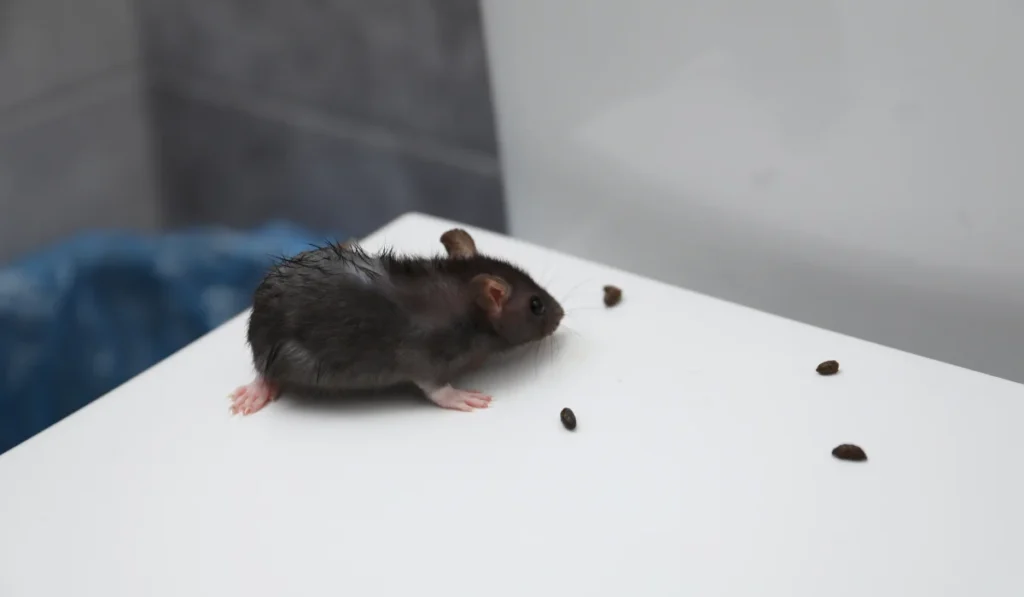
Small dark rodent on a toilet lid next to several small mouse droppings

What Mouse Poop Reveals About the Size of Your Mouse Problem

Finding mouse poop in a pantry, drawer, attic, or garage is a clear sign that a mouse has been active in your home. What the droppings cannot do is give you an exact mouse count. A single mouse may visit the same spot repeatedly, while several mice may leave smaller amounts across different rooms. The…

Learn More >

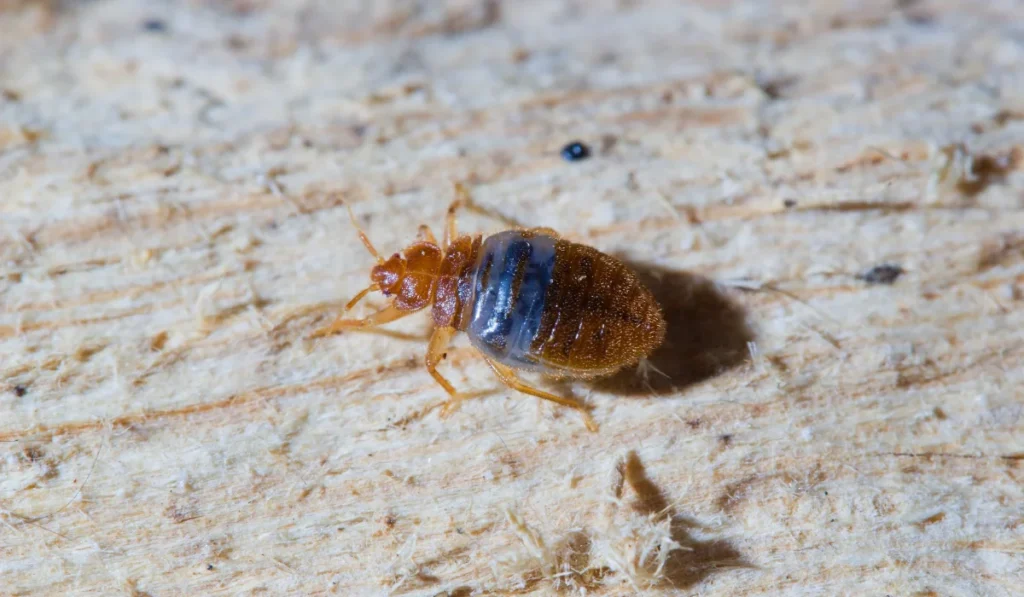
Small reddish-brown bat bug with pale striped abdomen resting on rough wood surface

Bat Bugs Look Almost Exactly Like Bed Bugs and That Matters

You find a small, flat, reddish-brown bug near an upstairs bedroom and assume you have bed bugs. That conclusion makes sense, but it may be wrong. Bat bugs look so much like bed bugs that a phone photo often cannot show the differences clearly. Bat bugs usually begin near bats roosting in attics, chimneys, soffits,…

Learn More >

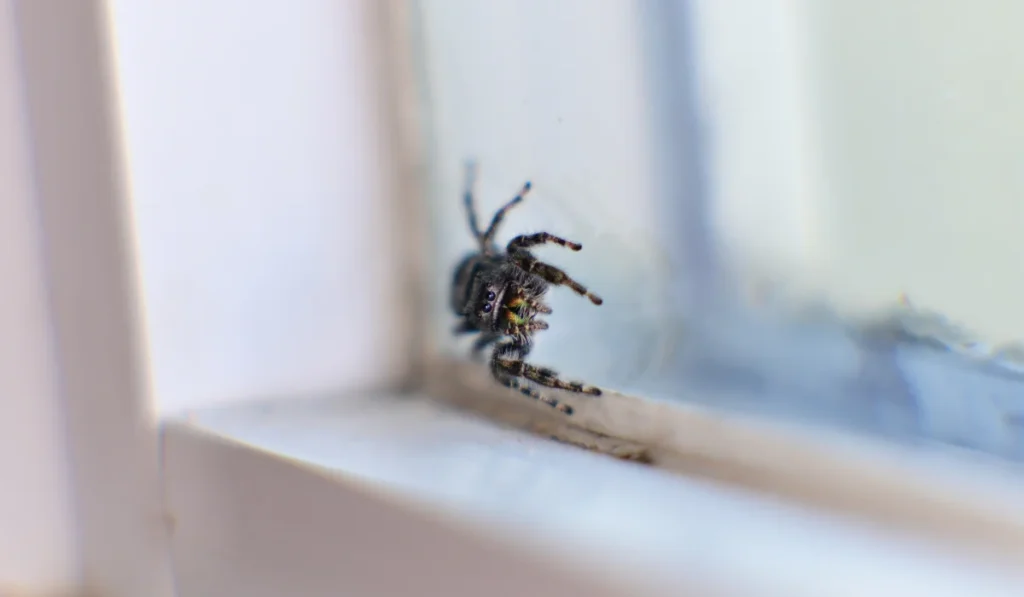
bold jumping spiders on a window

Black Spiders in Ohio That Are Not Black Widows

Finding a dark spider in your basement, garage, or near a window can immediately raise one question: Is it a black widow? Black widows do occur in Ohio, but they are not the only spiders that can look black or nearly black. Ohio State University’s Common Spiders of Ohio field guide covers hundreds of spider…

Learn More >

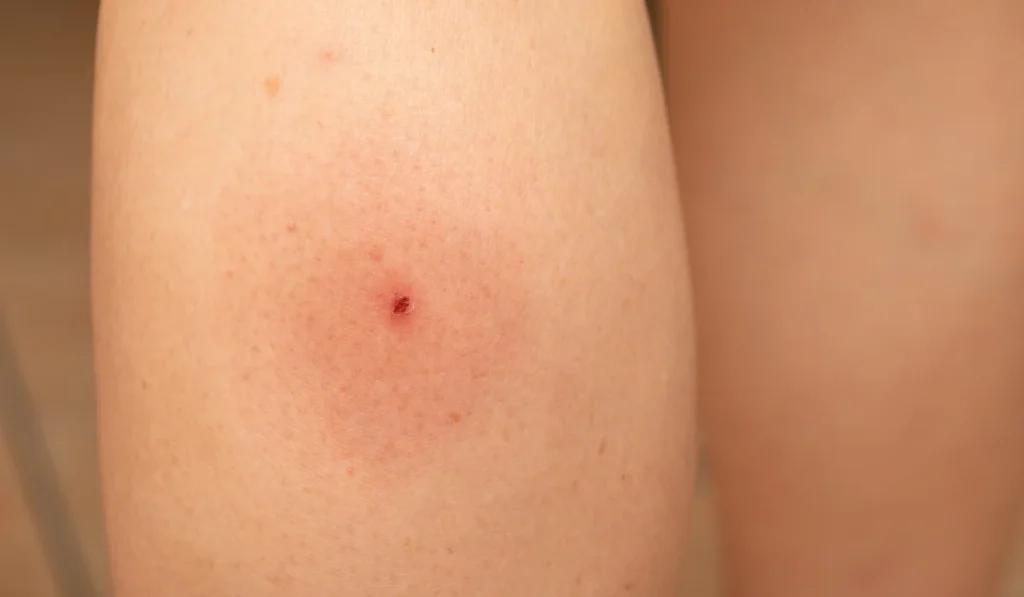
Close-up of an inflamed tick bite showing redness and a small wound, highlighting the skin irritation caused by the insect

What a Tick Bite Mark Looks Like Days After the Tick Drops Off

You may notice a red spot after working in the yard, walking through tall grass, or checking your skin after a hike. When the tick is already gone, the mark can be difficult to interpret. A tick bite mark after tick falls off may be a small bump, a pinpoint scab, or a limited patch…

Learn More >

Scared Woman Spraying with Insecticide a Huge Spider Girl suffering from arachnophobia fighting domestic pests

Spider Repellent Works Differently Than the Label Suggests

You apply spider repellent along the baseboards, around the garage, or near a porch light. A few days later, another spider appears. The product may still be working in the area where you used it, but it may not be doing what you expected throughout the rest of the home. Many homeowners picture spider repellent…

Learn More >

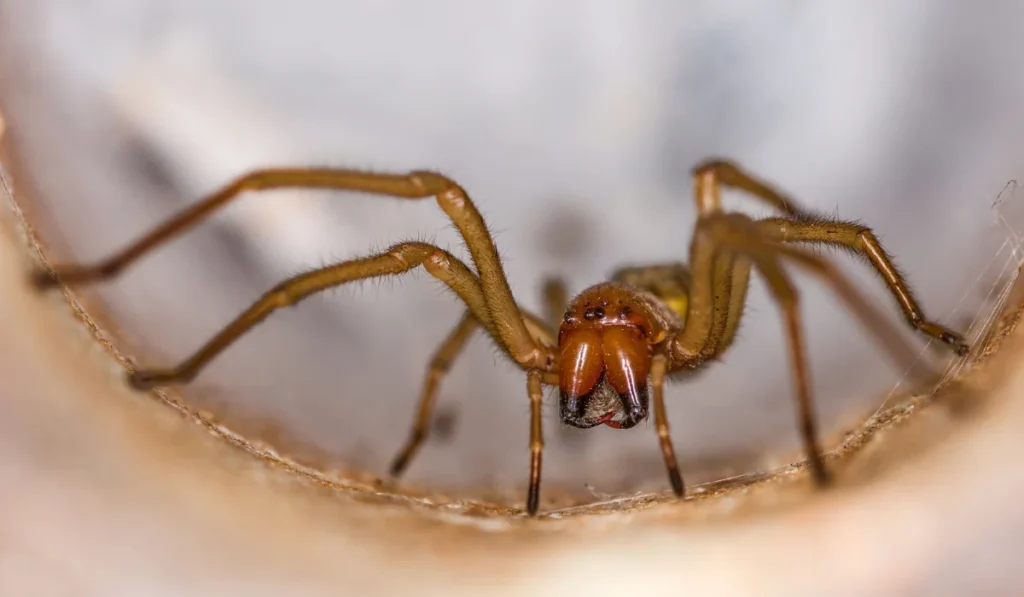
Close-up of a brown recluse spider inside a cylindrical structure. The spider’s light brown body, long legs, and detailed cephalothorax are clearly visible. (1)

Venomous Spiders in Tennessee Come Down to Just Two Names

Finding a spider in a closet, garage, crawl space, or storage box can raise an immediate question: Is it dangerous? When homeowners search for venomous spiders in Tennessee, they are usually trying to identify one of two medically significant spider groups, brown recluses and black widows. Most spiders use venom to subdue prey, but that…

Learn More >

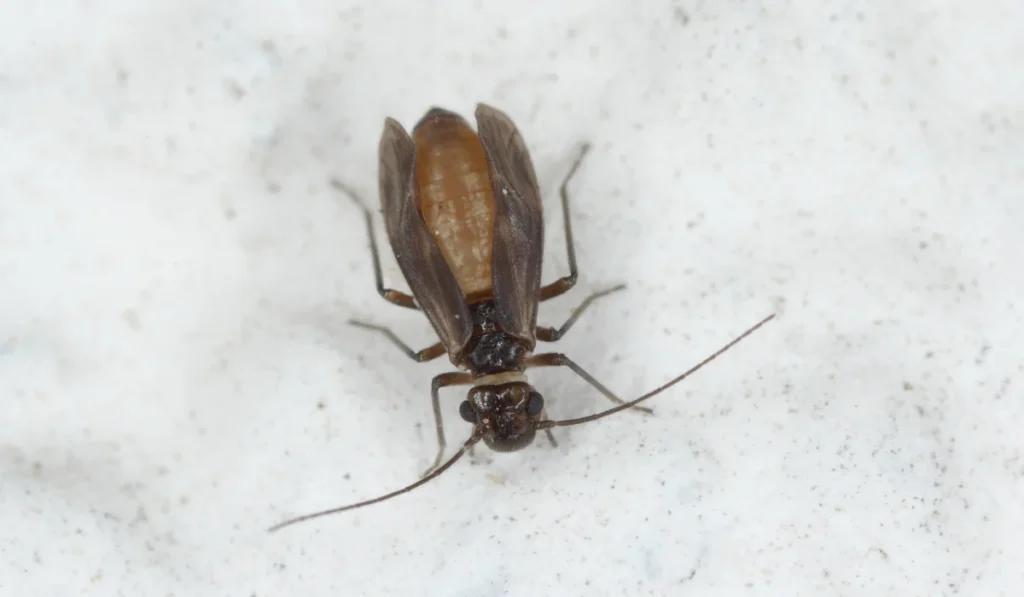
Close-up of a small pale-brown booklouse with wings and long antennae on a white surface

Booklice Thrive in Humid Southern Homes and They Are Not Lice

You may first notice booklice as tiny pale specks moving across a bathroom wall, pantry shelf, windowsill, or stack of stored books. Their name sounds alarming, but these insects are not the lice that live on people. Booklice are psocids, and they usually appear where moisture supports microscopic mold or other organic material they can…

Learn More >

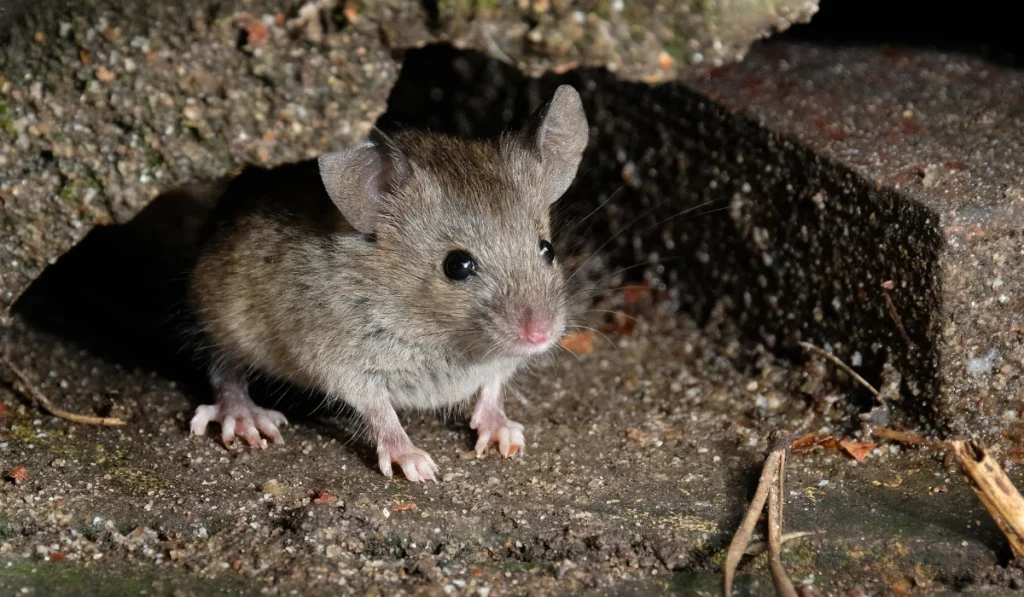
Small brown mouse emerging from a crevice in garden debris near a house foundation

Mice Are Nocturnal so Seeing One at Noon Is a Bad Sign

Seeing a mouse during the day deserves your attention because house mice are primarily nocturnal. They usually move around when a home is quieter, so a mouse crossing your kitchen, hallway, or living room at noon falls outside the activity pattern you would expect. Still, one daytime sighting does not prove that a large mouse…

Learn More >

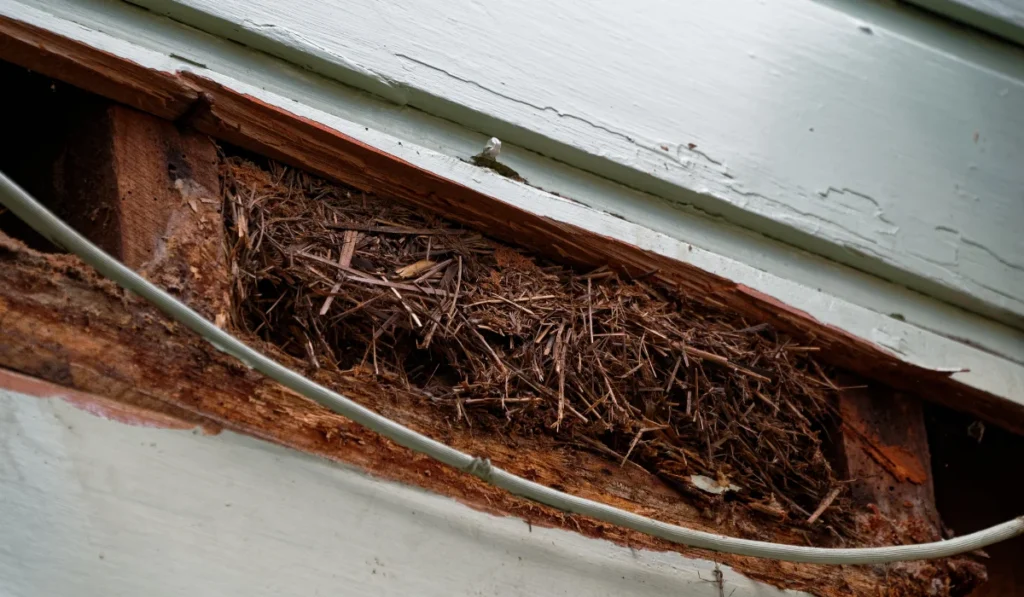
Repairs to a weatherboard house. A rotten weatherboard has been removed exposing a rats nest made of dry grass and vegetation between the wooden uprights.

Finding a Rat Nest Means the Family Moved In Weeks Ago

Finding a rat nest in your attic, garage, crawl space, or storage area can make the problem feel sudden. It usually is not. By the time rats have chosen a sheltered location and gathered nesting material, they have already found a way into or around your home and started using the property regularly. A rat…

Learn More >

Scroll to Top