
You finally have the keys to your new place. Whether you bought a new house, moved into a new build, or started renting, it feels like a fresh start. New paint, clean floors, and modern layouts can make a home feel safe. Many people do not realize that termite protection for new homes often requires immediate attention and, in some cases, professional termite treatment.
Termites can attack homes regardless of age. Subterranean termites live in the soil all year and search for wood and other cellulose-based materials used in many building products. Even homes that pass inspections can still be at risk of termites after soil settles, landscaping changes, or moisture builds up near the foundation.
This timeline explains termite protection for new homeowners and renters from planning through long-term care. You will learn what should already be in place, what to check after moving in, and how professional pest control helps over time. Each step builds on the last and helps you stop termites before damage begins.
Key Takeaways
- Termite protection for new homes should start before move-in. Waiting until damage is visible often leads to higher repair costs and fewer treatment options.
- New construction does not guarantee protection without follow-up. Soil movement, moisture changes, and landscaping can weaken early treatment.
- Soil treatment, wood treatment, and bait systems work best when used together. Each method targets termites differently.
- Ongoing inspections and a solid warranty help protect your home. Early detection keeps repairs smaller and easier to manage.
Video Guide: How To Identify Termites
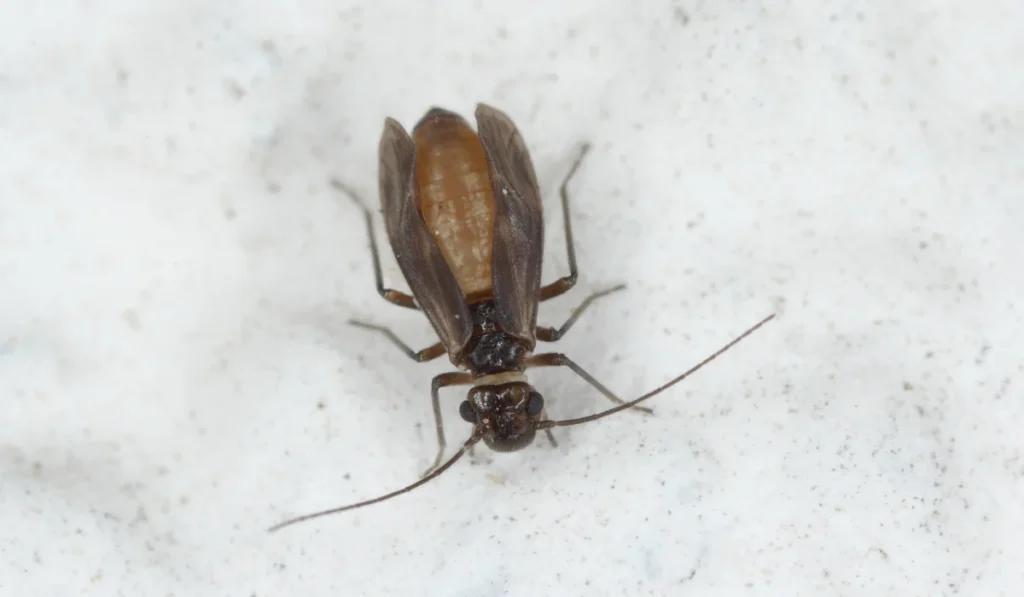
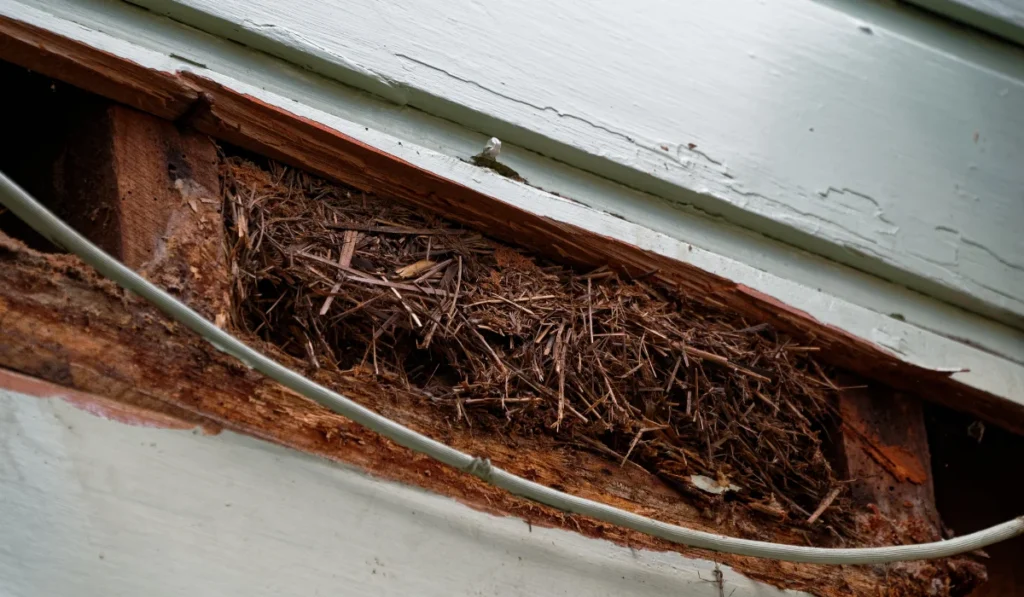
This video helps you spot early signs of termite activity. You will learn how to recognize mud tubes, termite swarmers, and areas where termite activity often starts. Understanding these signs helps you communicate more clearly with a pest control company and act quickly before a termite problem becomes costly repairs.
Before Construction Begins: Planning Termite Protection Early
Termite protection for new home construction begins long before framing. During planning, builders and buyers should think about how subterranean termites travel through soil to reach the foundation. Skipping early planning can leave gaps that termites use later.
Pre-construction termite treatment applies soil treatment before slab pouring or crawl space support installation. According to the Arkansas Cooperative Extension Service, treating soil around or under foundations is an effective way to protect buildings from termites.
This treated soil creates a barrier that termites must cross to reach the home. In homes with crawl spaces or basements, this step is even more important because moisture levels remain higher year-round.
Local building codes and HUD rules often require termite prevention measures designed to support termite-resistant construction. These rules vary by area, but meeting code does not always mean lasting protection. Soil type, rainfall, and grading all affect the durability of these treatments.
At Waynes Pest Control, we offer professional termite control services. Our team works with builders and buyers early to plan termite protection based on local conditions.
During Construction: Materials And Smart Design Choices
As construction continues, termite protection depends on material and design choices. Many termite problems begin when wood is too close to soil or moisture accumulates near entry points.
According to the Mississippi State University Extension, keeping wood materials separated from soil contact and managing moisture around the structure are key steps in reducing termite risk during construction.
Understanding what type of termites you are dealing with is critical, since subterranean termites rely on soil contact, while other species may target exposed wood differently. Pressure-treated lumber and treated wood help slow termite damage in key structural areas.
Wood treatment with borate products, such as Bora-Care, penetrates the wood and helps prevent it from becoming a readily available food source. Borate works especially well when applied during new construction, before walls are closed.
Design choices also play a major role. Proper foundation wall height, clear separation between soil and siding, and well-planned porches reduce entry points for termites. Final grading should direct water away from the structure to keep crawl space and basement areas dry.
At Waynes Pest Control, we review construction details with an eye toward long-term termite control, not just short-term compliance.
Move-In Time: What New Homeowners And Renters Should Do First
After move-in, termite protection shifts from setup to inspection. Even homes with early treatment need verification.
Scheduling a termite inspection soon after move-in confirms that protection remains in place. Inspectors check foundation walls, crawl spaces, basements, and porches for termite activity. Early inspections create a baseline that makes future changes easier to notice.
Homeowners should review their paperwork. Check for termite treatment details, warranties, and coverage limits. Builder warranties often expire quickly and may not cover future termite damage.
Renters should ask property managers about recent termite inspections and pest plans. Awareness helps protect your space and speeds up response times.
The First Year: Active Monitoring And Preventive Measures
The first year after move-in plays a major role in termite prevention. Soil settles, landscaping changes, and moisture patterns shift. These changes can weaken treated soil and open new entry points.
Landscaping should stay several inches away from the foundation. High mulch traps moisture and hides mud tubes. Store firewood, lumber, and cardboard away from the home because they attract termites.
Termite bait stations provide an additional layer of protection. Bait stations placed around the home intercept termites before they reach the house. Over time, termite bait reduces colony size and damage. Bait systems work best with inspections and soil treatment.
Our team installs and monitors bait stations as part of a termite protection plan.
Years Two Through Five: Building Long-Term Termite Control
As your home ages, termite protection shifts toward long-term protection and routine maintenance. This phase focuses on maintenance instead of installation.
Liquid termiticides help when repairs, additions, or landscaping disturb treated soil. Treated soil can shift over time near porches, walkways, and utility lines.
Regular termite inspections are still needed even with bait systems in place. Inspectors look for mud tubes, moisture issues, and early termite damage in crawl spaces and basements. Finding termite activity early keeps repairs to a minimum.
We can adjust termite protection plans as homes and properties change.
Renters And Termite Protection: What Still Matters
Renters often think termite control is not their responsibility, but awareness still matters. Termite infestations can affect safety and building strength.
Renters should report mud tubes, soft wood, or swarming insects right away. Quick reporting helps owners schedule treatment before damage spreads.
Asking basic pest control questions helps renters understand response times. Local pest management providers often respond faster than large national companies.
We work with property managers to maintain termite protection across rental properties.
Making The Right Termite Protection Choice For Your New Home
Choosing termite protection is about staying prepared, not reacting to damage after it appears. A clear plan helps homeowners and renters make confident decisions and avoid surprises as a property settles and changes over time.
Professional guidance can make those decisions easier, especially when local conditions affect termite activity. At Waynes Pest Control, we help homeowners and renters choose options that fit their property and timeline.
Contact us today or request a free quote.
FAQs
How soon after moving in should homeowners in Alabama schedule termite protection?
In Alabama, homeowners should schedule a termite inspection within the first few months after moving in. Warm temperatures keep subterranean termites active year-round, including in new construction, making early monitoring essential.
Do new homes in Mississippi still need termite treatment?
Yes. New homes in Mississippi often include pre-construction soil treatment, but ongoing termite control is still needed. Soil shifts, landscaping changes, and moisture fluctuations can reduce early protection over time.
What termite risks should renters in Tennessee watch for?
Renters in Tennessee should watch for mud tubes, discarded wings near windows, and soft wood around baseboards. Reporting these signs early helps property managers arrange professional pest control quickly.