Skip to content


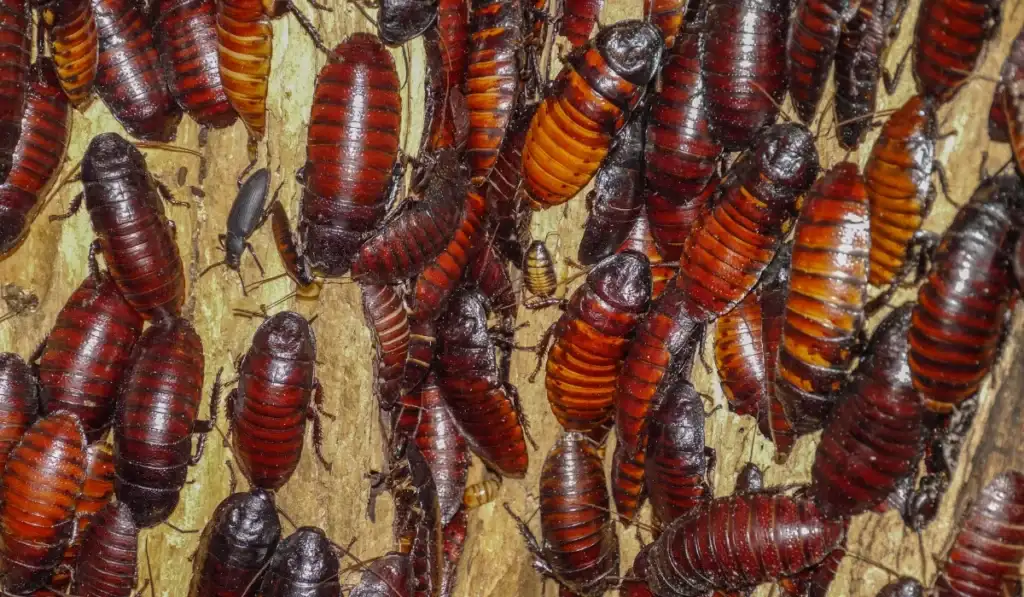 Florida homeowners encounter various types of cockroaches, and they are not all identical. Some species simply wander inside through exterior gaps, drains, firewood, palm debris, or mulch. Conversely, others can breed indoors, creating more significant problems in apartments, bathrooms, or kitchens.
Florida’s warm, humid climate gives roaches plenty of places to live, which makes identification important. If you know whether you are seeing a German cockroach, American cockroach, smokybrown cockroach, Florida woods cockroach, or another common type, it is easier to understand the risk and decide what to do next.
Florida homeowners encounter various types of cockroaches, and they are not all identical. Some species simply wander inside through exterior gaps, drains, firewood, palm debris, or mulch. Conversely, others can breed indoors, creating more significant problems in apartments, bathrooms, or kitchens.
Florida’s warm, humid climate gives roaches plenty of places to live, which makes identification important. If you know whether you are seeing a German cockroach, American cockroach, smokybrown cockroach, Florida woods cockroach, or another common type, it is easier to understand the risk and decide what to do next.
Key Takeaways
- Florida homes may see German, American, smokybrown, Australian, Asian, brown-banded, and Florida woods cockroaches.
- German cockroaches are one of the biggest indoor infestation concerns.
- Larger outdoor roaches often enter through gaps, drains, garages, or damp areas.
- Droppings, egg cases, odor, and nighttime activity are common warning signs.
- Waynes provides cockroach control and pest control services in the Florida Panhandle.
Common Cockroaches in Florida Homes
Field Guide · Panama City, FL
Cockroaches in Florida: which one are you seeing?
Florida homes see several roach species, and knowing which one you are looking at changes whether it is a passing outdoor visitor or a real indoor infestation risk.
1Destructive
German cockroach
IDSmall, fast, and light brown to tan, with two dark parallel stripes behind the head.
WhereKitchen cabinets, drawer tracks, refrigerator motors, dishwashers, under sinks, bathroom vanities, and wall voids near plumbing.
NoteReproduces indoors and hides close to food, moisture, and warmth. Seeing several during the day, droppings, or egg cases is a sign to act quickly.
2Nuisance
American cockroach
IDLarge, reddish-brown, with a pale marking behind the head. Identified as the largest common peridomestic cockroach found in Florida structures.
WhereFloor drains, utility rooms, garages, crawl spaces, sewer or plumbing areas, and damp storage spaces.
NoteRepeated sightings suggest there may be moisture, entry points, or nearby harborage supporting activity.
3Nuisance
Brown-banded cockroach
IDSmall roaches with lighter bands across the body and wings.
WhereBedrooms, closets, living rooms, furniture, shelves, electronics, upper cabinets, and behind wall décor.
NoteCan live in drier areas away from kitchens and bathrooms, so activity may be missed until it becomes more noticeable.
4Nuisance
Smokybrown cockroach
IDLarge, shiny, dark brown roaches.
WhereAttics, eaves, gutters, mulch beds, woodpiles, tree holes, garages, and exterior lighting.
NoteMoves between trees, rooflines, and structural gaps, so activity is often tied to exterior conditions as much as indoor sanitation.
5Nuisance
Florida woods cockroach
IDLarge, dark roaches, often called palmetto bugs.
WhereMulch, leaf litter, firewood, storage sheds, garages, water pump shelters, and dense landscaping.
NoteSlower than many other roaches and does not usually become the same kind of indoor infestation problem as German cockroaches, though it can be unpleasant when it shows up inside.
6Nuisance
Australian cockroach
IDLooks similar to the American cockroach but usually has yellow markings near the wing edges.
WhereMoist landscaping, palm debris, woodpiles, greenhouses, exterior storage, and outdoor potted plants.
NoteMost prevalent in Florida and coastal southeastern states, often becoming a problem when exterior conditions give it shelter close to the home.
7Mistaken ID
Asian cockroach
IDLooks very similar to the German cockroach, but flies readily, especially toward lights.
WherePatios, porch lights, windows, and landscaping.
NoteMore likely to live outdoors and does not usually behave like a classic indoor German cockroach infestation.
Waynes provides cockroach control in the Florida Panhandle. Every little thing matters. A LOT.
German Cockroaches
 German cockroaches are small, fast, and light brown to tan. They usually have two dark parallel stripes behind the head. They are one of the most concerning roaches inside homes because they reproduce indoors and hide close to food, moisture, and warmth.
Look for German cockroaches near:
German cockroaches are small, fast, and light brown to tan. They usually have two dark parallel stripes behind the head. They are one of the most concerning roaches inside homes because they reproduce indoors and hide close to food, moisture, and warmth.
Look for German cockroaches near:
- Kitchen cabinets
- Drawer tracks
- Refrigerator motors
- Dishwashers
- Under sinks
- Bathroom vanities
- Wall voids near plumbing
- Apartment kitchens or shared walls
American Cockroaches
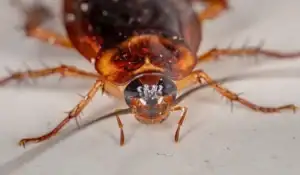 American cockroaches are large, reddish-brown roaches with a pale marking behind the head. According to the UF/IFAS American cockroach profile, this species is identified as the largest common peridomestic cockroach and is found in structures throughout Florida.
American cockroaches may appear around:
American cockroaches are large, reddish-brown roaches with a pale marking behind the head. According to the UF/IFAS American cockroach profile, this species is identified as the largest common peridomestic cockroach and is found in structures throughout Florida.
American cockroaches may appear around:
- Floor drains
- Utility rooms
- Garages
- Basements where present
- Crawl spaces
- Sewer or plumbing areas
- Damp storage spaces
- Exterior walls and foundations
Smokybrown Cockroaches
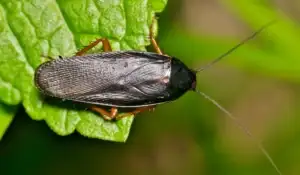 Smokybrown cockroaches are large, shiny, dark brown roaches that are common in warm, humid areas. They often live outdoors but may enter homes, especially near rooflines, attics, soffits, trees, gutters, and damp exterior spaces.
You may notice them around:
Smokybrown cockroaches are large, shiny, dark brown roaches that are common in warm, humid areas. They often live outdoors but may enter homes, especially near rooflines, attics, soffits, trees, gutters, and damp exterior spaces.
You may notice them around:
- Attics
- Eaves
- Gutters
- Mulch beds
- Woodpiles
- Tree holes
- Garages
- Exterior lighting
Florida Woods Cockroaches
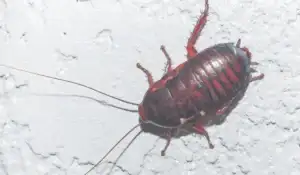 Florida woods cockroaches are large, dark roaches often called palmetto bugs. The UF/IFAS Florida woods cockroach profile identifies this species as native to the southeastern United States and notes that it is often found in structures near the home, such as storage areas, greenhouses, and other sheltered places.
These roaches are usually outdoor or near-structure pests. They may be found in:
Florida woods cockroaches are large, dark roaches often called palmetto bugs. The UF/IFAS Florida woods cockroach profile identifies this species as native to the southeastern United States and notes that it is often found in structures near the home, such as storage areas, greenhouses, and other sheltered places.
These roaches are usually outdoor or near-structure pests. They may be found in:
- Mulch
- Leaf litter
- Firewood
- Storage sheds
- Garages
- Water pump shelters
- Dense landscaping
- Items brought indoors from outside
Australian Cockroaches
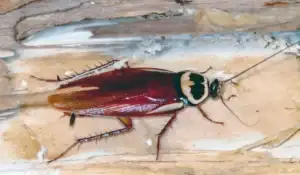 Australian cockroaches look similar to American cockroaches but usually have yellow markings near the wing edges. The UF/IFAS Australian cockroach profile notes that this species is most prevalent in Florida and coastal southeastern states and can be found under tree bark, in firewood piles, and in moist locations.
Around Florida Panhandle homes, Australian cockroaches may be connected to:
Australian cockroaches look similar to American cockroaches but usually have yellow markings near the wing edges. The UF/IFAS Australian cockroach profile notes that this species is most prevalent in Florida and coastal southeastern states and can be found under tree bark, in firewood piles, and in moist locations.
Around Florida Panhandle homes, Australian cockroaches may be connected to:
- Moist landscaping
- Palm debris
- Woodpiles
- Greenhouses
- Exterior storage
- Outdoor potted plants
- Garage or patio areas
Asian Cockroaches
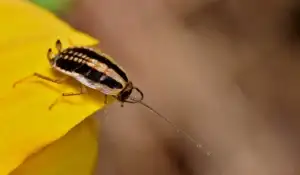 Asian cockroaches look very similar to German cockroaches, but their habits are different. They are more likely to live outdoors and fly readily, especially toward lights. That can make them show up around patios, porch lights, windows, and landscaping.
The difference matters because Asian cockroaches do not usually behave like classic indoor German cockroach infestations. A professional inspection can help identify whether small roaches are breeding indoors or coming in from outside.
Asian cockroaches look very similar to German cockroaches, but their habits are different. They are more likely to live outdoors and fly readily, especially toward lights. That can make them show up around patios, porch lights, windows, and landscaping.
The difference matters because Asian cockroaches do not usually behave like classic indoor German cockroach infestations. A professional inspection can help identify whether small roaches are breeding indoors or coming in from outside.
Brown-Banded Cockroaches
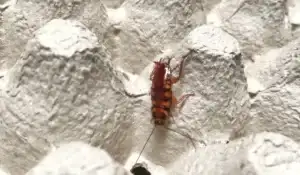 Brown-banded cockroaches are small roaches with lighter bands across the body and wings. Unlike roaches that stay close to water sources, they can live in drier areas of the home.
They may appear in:
Brown-banded cockroaches are small roaches with lighter bands across the body and wings. Unlike roaches that stay close to water sources, they can live in drier areas of the home.
They may appear in:
- Bedrooms
- Closets
- Living rooms
- Furniture
- Shelves
- Electronics
- Upper cabinets
- Behind wall décor
Signs of a Cockroach Infestation
Roaches are mostly active at night, so you may see evidence before you see the insects clearly. Small clues matter, especially in kitchens, bathrooms, garages, and shared housing. Watch for:- Live roaches at night
- Small roaches during the day
- Dark droppings near cabinets, drawers, or appliances
- Egg cases in hidden areas
- Shed skins
- Dead roaches along walls or under sinks
- A musty or oily odor
- Smear marks in damp areas
- Roaches scattering when lights turn on
Why Roaches Keep Coming Back
Roaches stay where they can find food, water, shelter, and access. Florida homes can be especially vulnerable because warm, humid conditions make it easier for roaches to survive outdoors and move close to structures. Common reasons roaches keep returning include:- Leaky pipes or damp cabinets
- Food crumbs behind appliances
- Pet food left out overnight
- Trash that is not sealed
- Cardboard clutter
- Grease around stoves or counters
- Gaps around plumbing lines
- Garage door gaps
- Drains or utility openings
- Mulch, leaf litter, or palm debris against the home
How to Reduce Roaches Around Your Home
The best approach is to reduce food, water, shelter, and entry points. These steps support professional treatment and make it harder for roaches to rebuild activity. Helpful steps include:- Store food in sealed containers.
- Clean grease and crumbs around appliances.
- Take trash out regularly.
- Fix leaks under sinks and around appliances.
- Avoid leaving pet food out overnight.
- Reduce cardboard clutter.
- Seal gaps around plumbing and utility lines.
- Keep mulch and debris away from the foundation.
- Check grocery bags, boxes, and deliveries before bringing them inside.