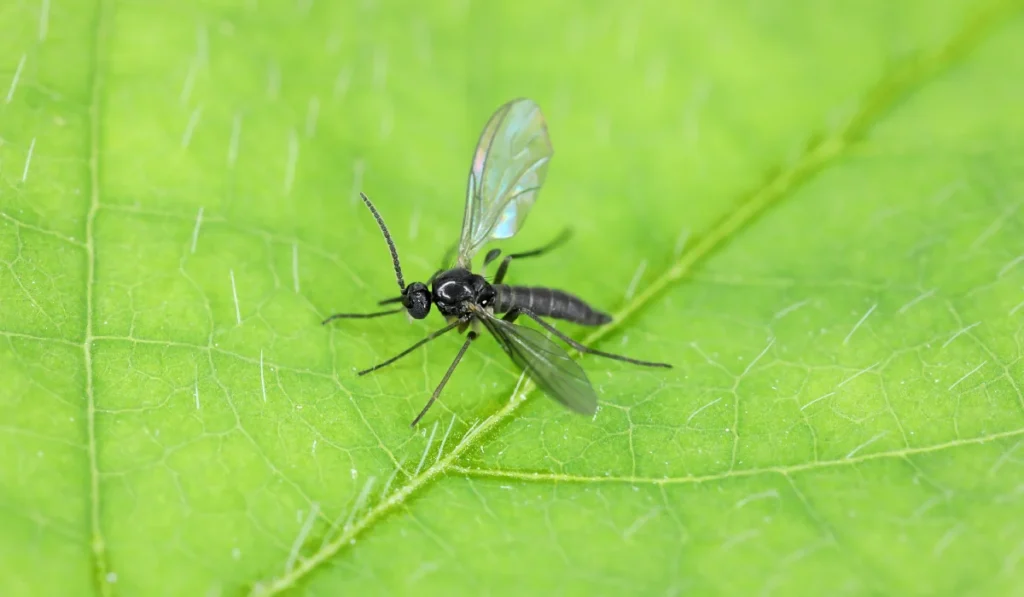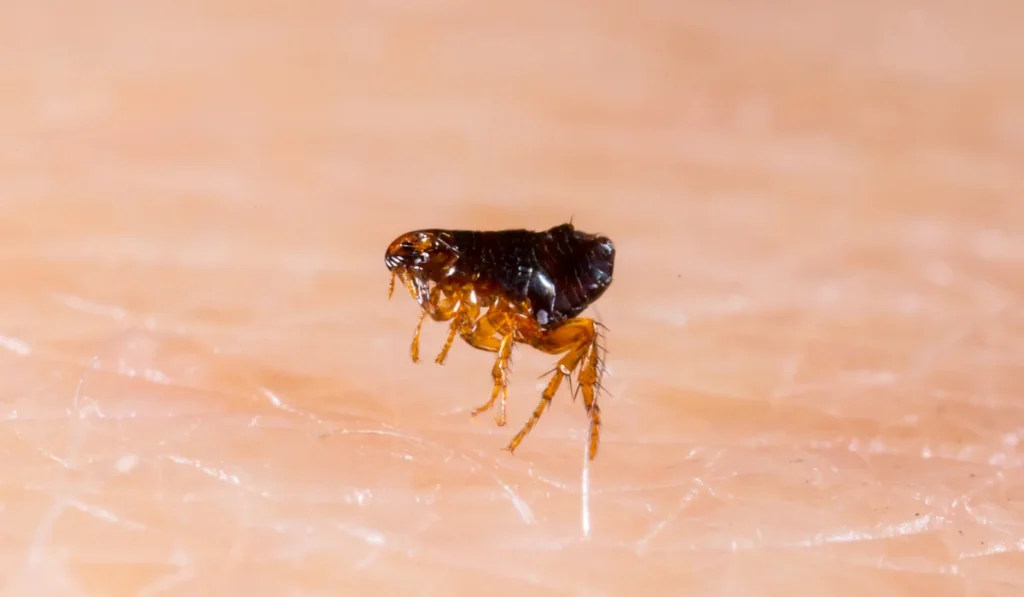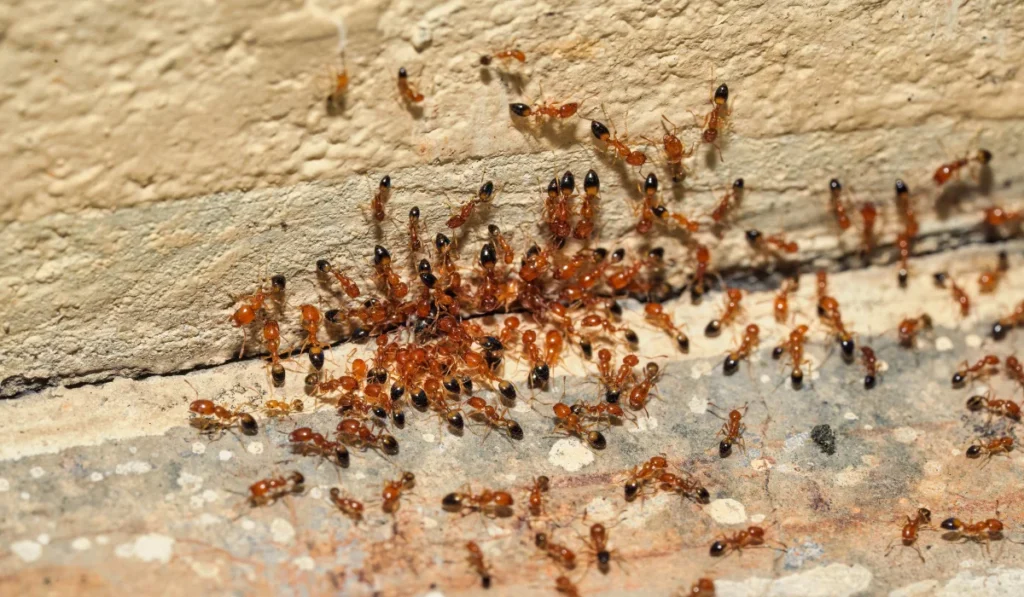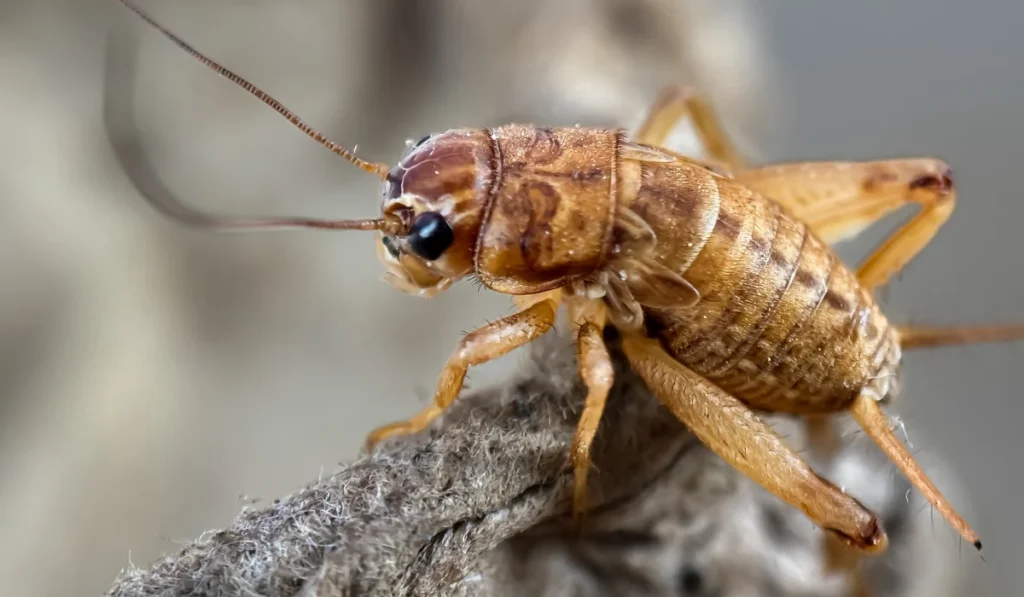

Bug bites in Florida Panhandle homes can be frustrating because the mark on your skin rarely tells you exactly what caused it. You may notice itching after working in the yard, relaxing on the patio, handling a pet, or spending time indoors, but the better clues are often nearby. A flea in pet bedding, a tick attached after yard work, mosquitoes around standing water, a fire ant mound, or repeated yellow jacket activity near one opening can tell you far more than the shape of a red bump. Knowing where to look helps you narrow down the source and address the pest activity instead of guessing from the bite alone.
What Bug Bites in Florida Panhandle Homes Can Tell You
A skin reaction is useful evidence, but it should not be treated as a pest identification. Different biting and stinging pests can cause redness, itching, tenderness, or swelling, and the reaction can vary from one person to another.
Start with what happened before you noticed the irritation. If you had been gardening or walking through taller vegetation, ticks or mosquitoes may deserve a closer look. If the problem keeps happening near a pet’s bed or favorite chair, inspect for fleas. If the irritation followed time in the lawn, check for fire ant activity.
Where and when you notice pest activity can narrow the search:
| Pest | Where You May Encounter It | Clues Worth Checking |
| Mosquitoes | Patios, yards, shaded areas | Standing water, dense vegetation, repeated outdoor activity |
| Fleas | Pet bedding, rugs, furniture | Visible fleas, flea dirt, scratching pets |
| Ticks | Grass and vegetated areas | Attached ticks, outdoor exposure, ticks found on pets |
| Fire ants | Lawns and landscaped areas | Active mounds and visible ants |
| Yellow jackets and hornets | Ground openings and protected areas | Insects repeatedly entering one location or a visible nest |
| Spiders | Closets, storage areas, shoes, folded fabrics | Live spiders, webs, activity in undisturbed spaces |
Mosquito Bites Around Panhandle Properties
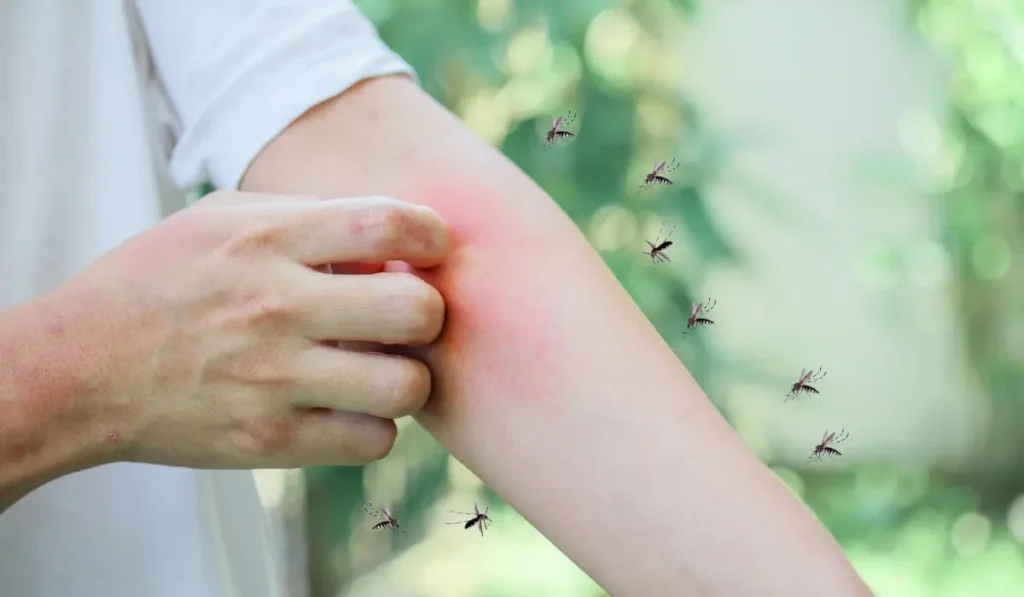
Mosquito bites are a common concern around Gulf Coast homes, but trying to identify mosquitoes from the bite itself will not tell you where they are coming from. Your yard usually provides better clues.
Check Where Water Collects
Mosquitoes need water to complete their life cycle. After rain or irrigation, look around containers, planters, yard equipment, pet areas, and other objects that can hold water. A small collection point that is easy to overlook can stay wet long after the rest of the yard dries.
Vegetation matters, too. Keeping grass cut and trimming excess growth around patios, walkways, and other gathering areas can reduce sheltered places where adult mosquitoes spend time. If one part of the yard consistently has more activity, inspect that area for shade, moisture, and water that lingers after rain.
Water removal also needs to be repeated. Emptying a container once will not help for long if it fills again during the next storm. Make a quick yard check part of your routine during periods of frequent rain.
Flea Bites Around Pets and Resting Areas
Flea problems can be harder to spot than they first appear because the adult fleas you see represent only one part of the flea life cycle. Fleas pass through egg, larval, pupal, and adult stages, so activity can continue in the home even when few adult fleas are visible.
Look Beyond Your Pet
Start where your pet spends the most time. Inspect pet bedding, rugs, carpeting, upholstered furniture, cushions, and floor gaps. Visible fleas or flea dirt can point toward an active problem, while increased scratching, hair loss, or restless behavior may give you another reason to inspect closely.
Vacuuming rugs, floors, baseboards, beneath furniture, and other pet resting areas can help remove flea material from the environment. Wash bedding and slipcovers that pets routinely contact, and work with your veterinarian on an appropriate flea-prevention plan for your pet.
Certain flea species can also carry organisms that cause human illness. The CDC’s information about plague explains how infected fleas can transmit plague, while the CDC’s guidance on murine typhus identifies infected fleas as one route of transmission. An ordinary flea bite does not mean you have either illness, but an active flea problem still deserves attention.
Tick Bites After Time Outdoors
Ticks call for a different type of detective work. Finding an attached tick after outdoor activity gives you a much stronger clue than trying to identify the cause of a red spot after the pest is gone.
Focus on Where Exposure Happened
Think about where you or your pet spent time before finding the tick. Grass, thicker vegetation, and other outdoor areas may deserve a closer look if you repeatedly encounter ticks after using the same part of your property.
Check pets after they have spent time outside, particularly in grassy or vegetated areas. If ticks keep showing up after visits to one section of the yard, that pattern can help you focus prevention and professional service where it is needed.
If you find an attached tick or become concerned about symptoms after a bite, contact a healthcare professional. Pest control can address tick activity on the property, but medical symptoms should not be diagnosed from online photos or bite patterns.
Bug Bite or Sting? Fire Ants, Yellow Jackets, and Spiders
Not every painful mark around your home is a bite. Fire ants, yellow jackets, and hornets sting. Spiders bite. That distinction helps determine where you should look next.
Fire Ants in the Lawn
Fire ants are closely tied to lawns and landscaped areas. Instead of studying the sting mark, look for active mounds and visible ants around the property. Those signs provide clearer evidence of the source.
Fire ant stings can cause painful welts, and some people can experience allergic reactions. Avoid disturbing a mound just to confirm activity. If ants are moving in and around it, you already have useful evidence.
Yellow Jackets and Hornets Near the Home
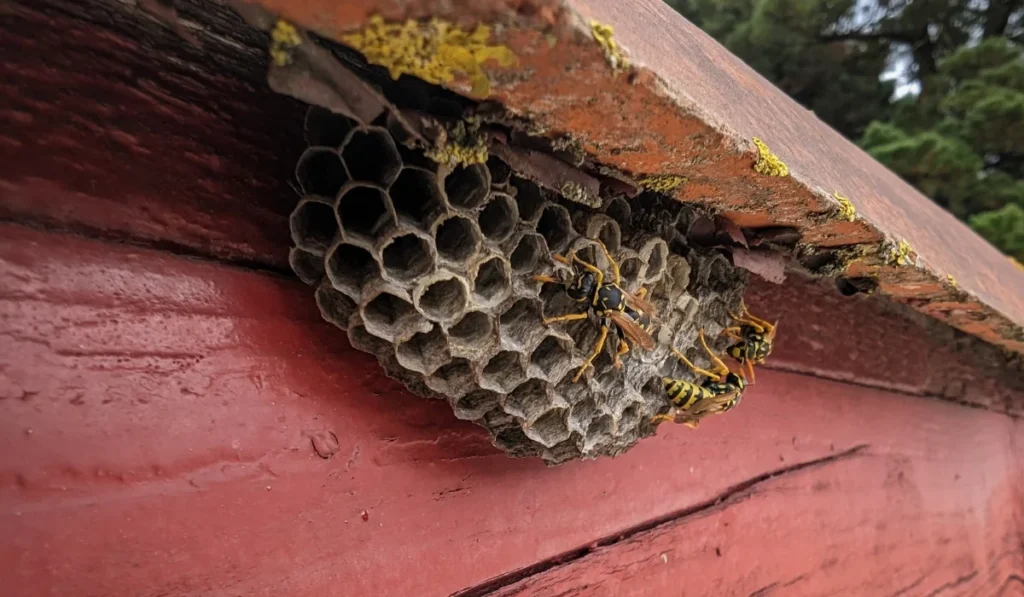
Yellow jackets and hornets may nest in the ground or in protected areas around a building. A steady stream of insects entering and leaving the same opening can point to a nest even when you cannot see the structure itself.
Do not poke, dig into, or otherwise disturb a suspected nest. Yellow jackets and hornets can become aggressive when the nest is threatened. If activity is close to doors, walkways, pet areas, or places where your family spends time, have the area professionally evaluated.
Be Careful With Spider Bite Assumptions
Spiders often get blamed for unexplained skin irritation even when no spider has been found. Brown recluse spiders are a good example of why identification matters. Other brown-colored spiders can be mistaken for them, so a skin mark alone should not be used to identify the species.
Look instead at quiet, undisturbed areas where spiders may hide, including closets, storage spaces, shoes, folded clothing, and bedding. If you see the spider, a clear photo can give a pest professional much more useful information than a description of the skin reaction.
When Bug Bites Point to an Indoor Pest Problem
If you keep wondering what is biting you inside the house, pay attention to where the problem repeats. The room, furniture, pet activity, and actual pest evidence are more useful than the appearance of the bite.
For fleas, inspect pet bedding, carpeting, rugs, furniture, and floor gaps. For spiders, check storage areas and items that have been left untouched. If you find a suspected pest, take a clear photo when you can do so safely.
Correct identification matters because these pests do not respond to the same control methods. Finding the source helps prevent you from spending time on a solution that does not match the problem.
What to Check Around Your Panhandle Yard
Many bug bites in Florida Panhandle homes start with pest activity outside. A yard inspection can reveal why mosquitoes, ticks, ants, or stinging insects are spending time near patios, entryways, play spaces, and pet areas.
Start with water and vegetation. Empty unnecessary standing water, pay attention to places that remain wet after rain or irrigation, and keep grass and excess vegetation maintained. These areas deserve particular attention when mosquitoes are active.
Next, scan the lawn for fire ant mounds and watch for yellow jackets or hornets repeatedly using the same opening. You do not need to disturb a mound or nest to confirm activity. Observe from a safe distance and note exactly where the insects are entering or gathering.
How to Prevent Bug Bites in Florida Panhandle Homes
Preventing bug bites in Florida Panhandle homes works best when you address the conditions each pest uses. Mosquitoes, fleas, ticks, fire ants, spiders, and yellow jackets do not all behave the same way, so prevention should match the pest and the area where you are finding activity.
Reduce Standing Water and Excess Vegetation
After rain or irrigation, empty water from containers and other objects that do not need to remain wet. Keep grass maintained and trim excess vegetation around patios, walkways, and places where you spend time outdoors.
Pay particular attention to areas that stay damp longer than the rest of the yard. Recurring mosquito activity in one location can point you toward a water or vegetation issue worth correcting.
Protect Pets and Their Resting Areas
Use veterinarian-recommended flea prevention for pets, and regularly wash the bedding they use. During an active flea problem, vacuum carpets, rugs, upholstered furniture, floor edges, and other areas where pets spend time.
Check pets for ticks after outdoor activity, particularly after they have been in thicker grass or vegetation. Repeated tick encounters can help you identify which part of the property needs more attention.
Watch for Fire Ants and Stinging Insects
Check your lawn for active fire ant mounds and watch for yellow jackets or hornets repeatedly returning to the same opening. Do not disturb a mound or nest to see whether it is active.
When stinging insects are nesting near doors, play areas, walkways, or pet spaces, keeping your distance is the safer choice. A pest professional can identify the activity and determine how to address the site.
Check Indoor Hiding Places
Keep closets and storage areas organized, and periodically inspect shoes, folded clothing, bedding, and belongings that sit undisturbed for long periods.
If you find a spider or another suspected pest, photograph it when possible. Identifying the pest itself gives you a much stronger starting point than trying to identify it from a bite.
Get Help When You Cannot Find the Source
If bites continue but you cannot find the pest, the source may not be where you expect. A professional inspection can help distinguish between activity from mosquitoes, fleas, ticks, fire ants, spiders, yellow jackets, and other household pests.
Protecting Your Panhandle Home From Biting Pests
A bite or sting may be what first catches your attention, but the better clues are usually around your home. Look at where the reaction occurred, what pests you have actually seen, whether pets are showing signs of activity, and what conditions exist in the yard.
If bug bites in Florida Panhandle homes keep appearing or you are finding mosquitoes, fleas, ticks, fire ants, spiders, or stinging insects around your property, Waynes can help identify the pest activity and determine the right service for your home. You can also contact Waynes to describe what you are seeing and discuss the next step for your Florida Panhandle property.