
Insights, Tips, and Tales

Fall Armyworms: Don’t Let Them Invade Your Lawn!

_ëîé_1

Fall Armyworms: Don’t Let Them Invade Your Lawn!

Fall armyworm outbreaks can be difficult to predict, and before you know it, they’ll have eaten up all your good plants.  This time of year, homeowners should begin inspecting their lawns for fall armyworms. We are receiving numerous reports of armyworm infestations from Montgomery to Huntsville. Problems with armyworms start in extreme south Alabama in late July and then move northward. Armyworms frequently attack well-fertilized and watered bermudagrass and new bermudagrass sod. Homeowners often notice the worms when they see their grass starting to thin.

Once treated, bermudagrass and zoysia can recover quickly, often before the first frost. Fescue may have to be re-seeded.

Need help getting rid of fall armyworms in your lawn? Contact us today!

Where Do Armyworms Come From?

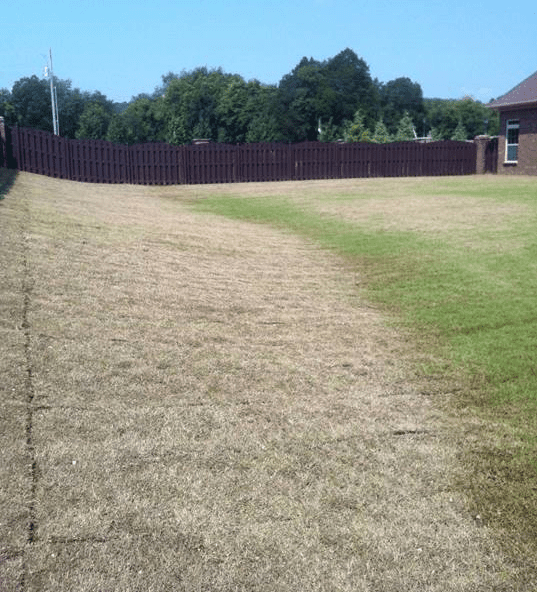
A whitish-gray moth lays eggs on a vertical surface like a privacy fence. When the eggs hatch, the larva crawl down to the turf, begin eating green grass blades, and turn into adult armyworms. You will see the first signs of damage adjacent to these areas. Birds like crows are commonly seen feeding in lawns with armyworm infestations and can be a good indicator of a problem.

Think you might have a fall armyworm problem? Contact us today!
Fall Armyworms are susceptible to cold and can’t survive the winter temperatures in the central and southern United States. Each summer, adult moths fly north from Central and South America. Although armyworm damage seems to appear “overnight,” the small worms may have been feeding for some time before being noticed. Most of the damage is caused by the oldest and largest caterpillars because they eat much larger quantities of foliage.

Armyworms Move From One Lawn to Another

Armyworms are mobile and will move into a previously non-infested area in search of food once they’ve defoliated a field or lawn. They may hatch and begin their life cycle in an adjacent lawn before moving into yours. So it is important to not only inspect your lawn but watch your neighbor’s lawn as well for signs of damage.

Signs of Armyworms

The first step to getting rid of armyworms is identifying the issue. Here are some common signs that your yard may be infested:

  • Brown spots of grass around vertical surfaces like walls, fences, and trees.
  • A gradual progression of brown grass from an initial point.
  • Caterpillar-like worms in the lawn.


If you are experiencing problems but don’t see armyworms, consider whether you are watering frequently enough or mowing too low.


Does Waynes Preemptively Treat for Armyworms?

In most markets, we do not treat armyworms preemptively in our regular lawn care service agreement. We use something called Integrated Pest Management (IPM). This means Waynes only uses products when they are needed, avoiding excess chemicals in the environment. If you are a Waynes lawn care customer and armyworms are present, we will come out and treat them. For year-round preventative measures of armyworms, we offer a preventative program that is a separate charge outside of our normal lawn program.

If you want more information or believe Fall Armyworms are attacking your lawn, contact us for a free inspection.

Waynes Pest Control » Blog » Lawn » Fall Armyworms: Don’t Let Them Invade Your Lawn!

Rebecca Wood

Waynes has been serving customers since 1973. We have grown over the decades through a commitment to providing a world-class experience for our customers. We believe that if our employees are happy and fulfilled, they will go above and beyond in delighting our customers.

Latest from Waynes Blog

roof rat

Are There Roof Rats In Panama City, FL? (Why Coastal Homes Are At Higher Risk)

If you live near the beach, you may hear scurrying in the attic or see gnaw marks on soffits. Roof rats are active across Panama City, from St. Andrews to Lynn Haven. The warm climate and dense palms, fruit trees, and vines give them easy access to food and shelter. Roof rats climb, squeeze through…

Learn More >

Why Your Lawn Has “Zebra Stripes” This Fall

Have you noticed light and dark stripes running through your Bermudagrass or Zoysiagrass lately? Don’t panic — your lawn isn’t sick, and you don’t have a pest problem. Those “zebra stripes” are actually a normal, temporary reaction to the weather, especially in Alabama when the temperatures start jumping around. What Causes the Stripes? When the…

Learn More >

Asian needle ant

Types Of Ants In Columbus, MS: ID Before You Treat

Have you ever noticed a tiny black ant scurrying across your kitchen counter? Or felt the sharp sting of a small red ant while enjoying the outdoors? Columbus, MS, is home to many types of ants. These tiny invaders can quickly turn a peaceful summer afternoon into a frustrating ordeal. In our humid environment, ants…

Learn More >

mice in box

How To Get Rid Of Mice In Columbus, MS (Step-By-Step)

Cool Mississippi nights feel great in Columbus, but they can push mice indoors. That means scratching in the walls, chewed packages, and tiny droppings under the sink. These pests do not stay in the garage. They may slip into kitchens, attics, and closets, too. This guide focuses on how you can get rid of mice…

Learn More >

Oriental Cockroach

Are There Oriental Cockroaches In Columbus, MS? (Where They Hide)

If you live near the Tombigbee River or in older parts of Lowndes County, you may spot shiny black or dark brown roaches near drains at night. You might wonder if those are oriental cockroaches in Columbus.  Yes, oriental cockroaches live in Columbus. These moisture-loving roaches come from sewers and settle in basements, crawl spaces,…

Learn More >

Asian Lady Beetles: The Unwanted “Lady Bugs” Invading This Fall

They might look cute at first glance, but those “lady bugs” gathering on your windows, walls, and doors this fall are most likely Asian lady beetles — and they’re not so friendly. Unlike native ladybugs, Asian lady beetles are fall invaders, sneaking into homes and businesses in search of warmth as temperatures drop. Once inside,…

Learn More >

Millipede

When Is Millipede Season In Mobile, AL?

If you live near Mobile Bay, you know the pattern. A storm passes, the air is humid, and by evening, little brown crawlers trace your porch and baseboards. So, when is millipede season in Mobile, and why do they show up all at once? Millipedes live in shady, wet spots with leaf litter and mulch….

Learn More >

mouse control

How much does mouse control cost in Huntsville, AL?

You’re not alone if you hear scratching at night or find tiny droppings under the sink. Many Huntsville homes experience mouse infestations each fall and winter. When this happens, homeowners search for mouse control cost in Huntsville, AL, because they want clear prices and a plan that works. Mice slip through tiny gaps near doors,…

Learn More >

american cockroach

How To Get Rid Of American Cockroaches In Mobile, AL

A big reddish-brown roach in your kitchen or bathroom is alarming. In Mobile, Alabama, American cockroaches often come up from sewers, floor drains, and damp crawl spaces. Heavy rain makes this worse. That’s why homes in Midtown, Spring Hill, Saraland, and across Mobile County see them more often. If you do nothing, a few roaches…

Learn More >

Scroll to Top