
Services
Expert Carpenter Bee Pest Control
Don't let carpenter bees damage your home.
Carpenter Bee Treatment
The warm weather in our area often brings with it the beauty of blooming flowers and the gentle hum of pollinators. However, among these buzzing visitors, one in particular can spell trouble for your home: the carpenter bee. While they are important pollinators, carpenter bees are also notorious for their wood-boring habits, which can lead to significant structural damage over time.
At Waynes Pest Control, we understand the unique challenges these pests present to homeowners in Alabama, Mississippi, Tennessee, and the Florida Panhandle. Our specialized carpenter bee pest control services are designed to effectively eliminate these destructive insects and protect your property from their woodworking skills.
What Makes Carpenter Bees a Serious Pest Problem?
Often mistaken for bumblebees, carpenter bees are distinguishable by their shiny, hairless black abdomens. More importantly, their behavior poses a significant threat: unlike other wood-destroying pests, they don't consume wood, but rather excavate perfectly round tunnels to create nests.
This tunneling, initially appearing minor, can eventually compromise the structural integrity of your home's wooden components and outdoor furniture over time. They favor soft woods like cedar, fir, redwood, and pine, but will ultimately drill into any exposed wood, creating galleries where females lay eggs, while territorial males may hover aggressively, though they cannot sting.

Fast-Acting, Long-Term Coverage, and Exceptional Customer Service!
Carpenter Bee
Signs You Need Carpenter Bee Pest Control
Spotting the signs of carpenter bees early is key to preventing extensive damage. Here's what to look for:
- Perfectly Round Holes: The most definitive sign is the appearance of smooth, circular holes, typically about 1/2 inch in diameter, drilled into wooden surfaces. These are the entry points to their nests.
- Sawdust (Frass): You might notice piles of coarse sawdust or wood shavings directly below the entry holes. This is the material the bees expel as they tunnel.
- Yellowish-Brown Stains: Fecal droppings from the bees can leave unsightly yellowish-brown stains on the wood directly beneath the tunnel entrances.
- Buzzing Sounds within Wood: In active infestations, especially during warmer months, you might hear a faint, low buzzing sound coming from inside your wooden structures as the bees work.
- Visible Bees: You'll frequently see large, black, shiny-backed bees hovering around eaves, fascia boards, decks, or other wooden elements of your home. Males might fly defensively towards anyone approaching their territory.
- Damage to Wood: Over time, repeated tunneling can lead to visible damage such as weakened wood, splintering, or even cracking as moisture enters the tunnels and causes rot.
Regular inspection of your home's exterior, especially vulnerable wooden components, can help you identify a carpenter bee problem before it becomes severe.
Get Started Today
Simply fill out the form below to take advantage of this special offer.
Contact Us
Signs You Need Carpenter Bee Pest Control
Spotting the signs of carpenter bees early is key to preventing extensive damage. Here's what to look for:
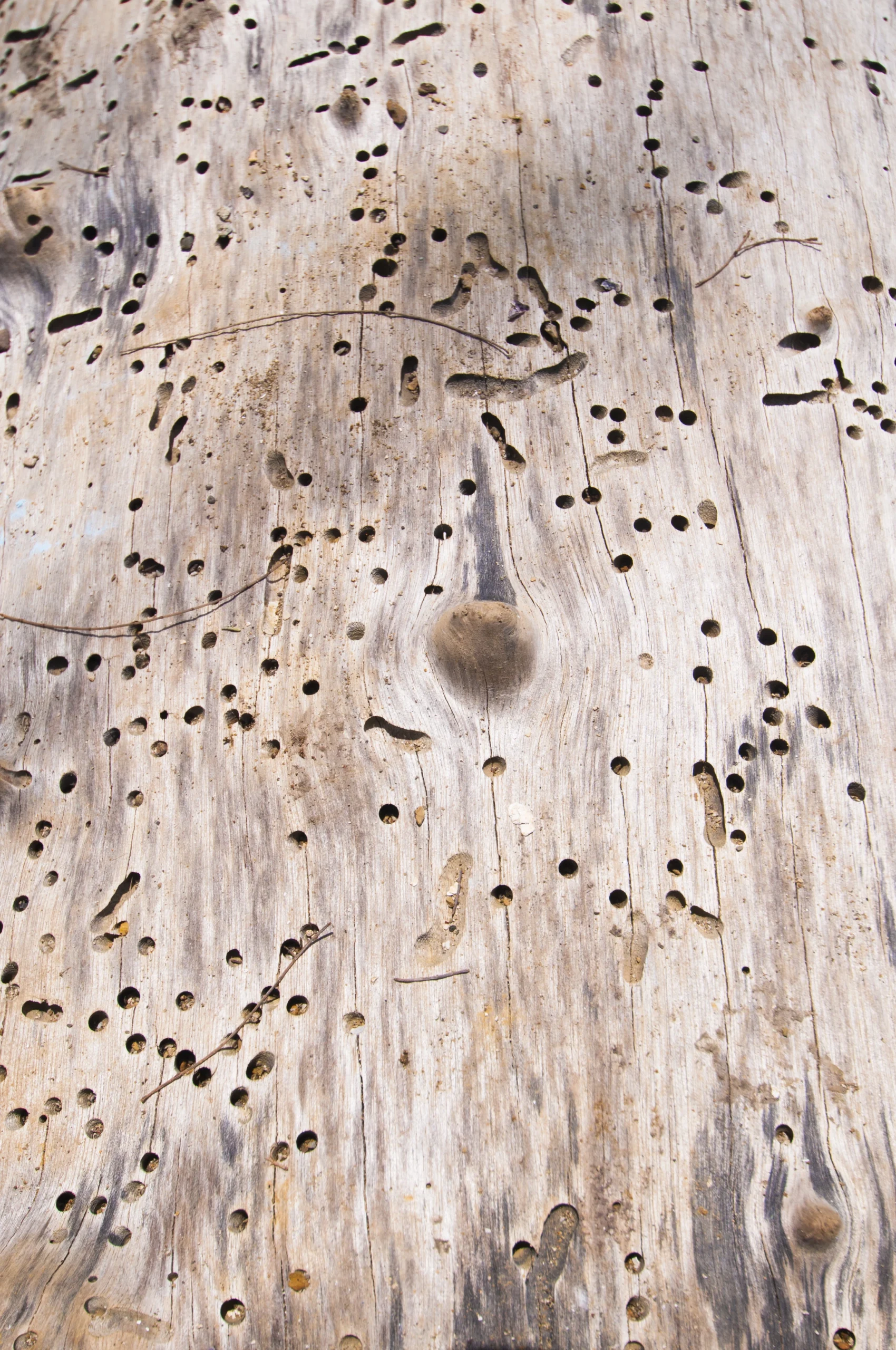
- Perfectly Round Holes: The most definitive sign is the appearance of smooth, circular holes, typically about 1/2 inch in diameter, drilled into wooden surfaces. These are the entry points to their nests.
- Sawdust (Frass): You might notice piles of coarse sawdust or wood shavings directly below the entry holes. This is the material the bees expel as they tunnel.
- Yellowish-Brown Stains: Fecal droppings from the bees can leave unsightly yellowish-brown stains on the wood directly beneath the tunnel entrances.
- Buzzing Sounds within Wood: In active infestations, especially during warmer months, you might hear a faint, low buzzing sound coming from inside your wooden structures as the bees work.
- Visible Bees: You'll frequently see large, black, shiny-backed bees hovering around eaves, fascia boards, decks, or other wooden elements of your home. Males might fly defensively towards anyone approaching their territory.
- Damage to Wood: Over time, repeated tunneling can lead to visible damage such as weakened wood, splintering, or even cracking as moisture enters the tunnels and causes rot.
Regular inspection of your home's exterior, especially vulnerable wooden components, can help you identify a carpenter bee problem before it becomes severe.
Why Professional Carpenter Bee Treatment is Essential
Ignoring a carpenter bee infestation can lead to significant and escalating problems for your home. While the initial holes may seem minor, the cumulative effect of repeated tunneling year after year can severely compromise wooden structures. They can become riddled with tunnels, weakening their integrity and potentially leading to costly repairs.
Also, if tunnels are left untreated, moisture can seep in, leading to wood rot and attracting other destructive pests like woodpeckers, which will further exacerbate the damage as they peck at the wood to get to the bee larvae.
Attempting DIY carpenter bee control can be challenging and often ineffective. Simply sealing holes without treating the tunnels first can trap bees inside, leading them to bore new holes. A professional carpenter bee exterminator understands their lifecycle and behavior, allowing for targeted and comprehensive treatments that effectively eliminate existing bees and deter new ones.
Carpenter bees typically start drilling in March to lay their eggs, and the larvae emerge around August. It is important to treat early, before they get to work.


Our Carpenter Bee Pest Control Process
At Waynes Pest Control, our carpenter bee pest control process is designed for maximum effectiveness and long-term protection of your home. We employ a systematic approach to ensure thorough elimination and prevention:
- Thorough Inspection: Our professionals meticulously inspect all wooden structures to identify active boreholes, nesting sites, assess damage, and pinpoint vulnerable areas.
- Targeted Treatment: Our fast and effective treatments apply professional-grade insecticides directly into active boreholes and galleries, ensuring treatment reaches adult bees, larvae, and eggs. The treatment soaks into exposed wood, eradicating carpenter bees as they try to drill — ideally stopping damage before it starts.
- Hole Sealing (Post-Treatment): After treatment, we recommend sealing treated holes with wood putty, caulk, or dowels to prevent re-use and deter future infestations.
- Prevention Recommendations: Beyond treating the current issue, we provide valuable advice on painting wood surfaces, repairing damage, and strategies to make your home less attractive to carpenter bees.
- Follow-Up & Monitoring: We may schedule follow-up visits to ensure complete eradication and monitor for any new activity, providing lasting peace of mind.
Why Choose Waynes for Expert Carpenter Bee Pest Control
When your home is threatened by destructive carpenter bees, choosing the right pest control partner makes all the difference. Waynes Pest Control stands out as the trusted local expert for carpenter bee pest control. Many of our customers with cabins, wooden fences, decks, etc. return for yearly treatment. With our team, you can expect:
- Experienced Professionals: Our Service Professionals are extensively trained in carpenter bee biology and behavior, ensuring accurate diagnosis and effective carpenter bee treatment strategies.
- Targeted & Effective Methods: We go beyond superficial treatments, directly treating active galleries to ensure thorough elimination at all life stages with professional-grade products. Our treatment also prevents them from returning to old nesting holes.
- Preventative Focus: Our service includes crucial guidance on sealing entry points and recommending preventative measures for long-term carpenter bee control.
- Guaranteed Satisfaction: We are committed to fully resolving your carpenter bee problem. There is a 90-day guarantee on the service and no extra cost for retreatments during this timeframe.
- Local Knowledge: Our deep roots in the Southeast mean we understand regional pest pressures, combining local insight with high standards for superior service.

How to Prevent Carpenter Bee Infestations
Proactive measures can significantly reduce the likelihood of carpenter bees making your home their next nesting site. Here are some effective prevention tips:
- Paint or Seal Wood: Carpenter bees prefer unfinished or weathered wood. Painting, staining, or varnishing all exposed wooden surfaces on your home can make them less appealing for tunneling. (Keep in mind that staining wood helps, but will not completely prevent carpenter bees or their damage.)
- Use Hardwoods or Treated Wood: When building new structures or making repairs, consider using hardwoods like oak or pressure-treated lumber, as these are less attractive to carpenter bees.
- Seal Old Holes: After any existing carpenter bee activity has been professionally treated, ensure all old entry holes are properly filled with wood putty and then painted or sealed. This prevents new bees from reusing established tunnels.
- Netting for Vulnerable Areas: For highly susceptible areas like porch rafters or overhangs, consider installing fine mesh netting to physically block bees from accessing the wood.
- Consider Bee Traps: While not a standalone solution, carpenter bee traps can help reduce the number of active bees around your property. Place them near areas where you've seen activity.
By combining these preventative strategies with professional carpenter bee pest control from Waynes, you can effectively safeguard your home from these damaging wood-boring insects.

Call Waynes to Help Protect Your Property Today!
Don't let carpenter bees undermine the integrity and beauty of your home. If you're seeing signs of carpenter bee activity, Waynes Pest Control is ready to provide the professional carpenter bee treatment you need. Our experienced team will deliver an effective, long-lasting solution to protect your valuable property.
Call us today at (866) 929-6371 or contact us online to schedule an inspection and get a free quote for comprehensive carpenter bee pest control!
Have A Question? Call Us Today!
Carpenter Bee Pest Control FAQs:

Pest Control Done Right
50 Years of Experience... 150,000+ Homes & Families Served.