
When your dog scratches more than usual, chews the same spots, or rubs against furniture, fleas are often the cause. Many pet owners search for home remedies for fleas on pets after finding flea dirt on their dog’s skin.
Fleas cause problems beyond what you see on your pet. Flea bites cause itching, redness, and skin rashes. Fleas can also spread tapeworms when pets swallow them. In the Southeast, warm, humid weather helps fleas survive year-round. A small flea problem can turn into a full infestation faster than many dog owners expect.
This guide explains common home remedies for fleas, which ones may help, and why many DIY options fail. You will also learn how fleas grow, what signs to watch for, and when professional flea control makes sense for your home and pets.
Key Takeaways
- Most home remedies target adult fleas and offer short-term relief. Flea eggs and larvae often remain hidden, prolonging the problem.
- Fleas go through life stages that protect them from simple treatments, which makes them harder to eliminate.
- Some natural flea remedies irritate a dog’s skin when used incorrectly. Incorrect use can worsen itching or cause new skin problems.
- Pest control is needed once fleas spread into carpets and bedding. At that stage, home remedies rarely solve the problem.
Video Guide: Fleas vs Bed Bugs: How to Tell Them Apart
Before choosing flea treatments, it helps to know what pest you are dealing with. This video explains how to tell fleas and bed bugs apart, a distinction many pet owners often confuse. Watching helps you identify flea signs, avoid wasting effort on the wrong solution, and decide sooner whether you need professional flea control for your home.
Understanding What Fleas Are and How They Spread
Fleas are small parasites that feed on animals like dogs and cats. Adult fleas are easy to spot, but they are only part of the problem inside a home.
Adult fleas live in a dog’s coat and bite the skin. As they feed, they lay eggs that fall into carpets, furniture, and a dog’s bedding. These eggs do not stick to surfaces, so they spread quickly without notice.
After hatching, flea larvae hide deep in carpet fibers and cracks. They feed on flea dirt left behind by adult fleas. The larvae then form pupae, which develop a hard shell. Pupae can stay hidden for weeks until heat or movement signals a nearby host.
If you notice early signs of fleas and want help confirming the problem, professional flea control can help you determine how far the infestation has spread.
Why Home Remedies Often Fail to Solve Flea Problems
Home remedies to keep fleas off pets often focus on what you can see, but adult fleas are only a small part of the infestation. Killing fleas on your dog’s fur does not stop new adult fleas from emerging inside the home.
Because pupae stay hidden and protected, fleas often return even after repeated treatments. Hidden pupae allow new adult fleas to emerge weeks later, making the problem appear gone before it returns.
Knowing how to spot flea and tick infestations helps you respond faster. In Southern homes, warm conditions allow fleas to survive year-round, making flea prevention even more challenging.
When home remedies no longer keep fleas under control, professional treatment can target every life stage and restore control inside the home.
Apple Cider Vinegar, Lemon Juice, and Scent-Based Remedies
According to the National Canine Cancer Foundation, there are several ways you can get rid of fleas without using harmful chemicals. Apple cider vinegar is one of the most common home remedies used by pet owners as a natural way to repel fleas.
When mixed with water in a spray bottle, you can lightly mist it onto your dog’s coat. The smell may repel fleas for a short time, but it does not kill fleas or affect flea eggs.
Lemon juice works similarly. Fleas dislike citrus scents, so lemon sprays may repel fleas briefly. Repeated use can dry out a dog’s skin and cause irritation, especially in sensitive pets.
Peppermint and citronella scents also repel fleas for a short time. These scents fade quickly and do not prevent flea larvae or pupae from developing inside the home.
When scent-based remedies fail, professional flea control goes beyond surface treatments.
Coconut Oil, Neem, and Essential Oils: Natural Does Not Mean Risk-Free
Coconut oil is often rubbed into a dog’s fur to trap adult fleas. While it can smother some fleas and improve coat shine, it leaves oily residue that attracts dirt. It also does nothing for flea eggs or flea larvae in carpets.
Essential oils, such as tea tree oil, are often recommended online but carry risks. According to an article from Garden State Veterinary Specialists, tea tree oil is not safe for dogs in any amount or form, as even small amounts can cause serious health problems, as the oil contains compounds that are toxic to a dog’s nervous system and liver.
You should use natural flea remedies with caution. When irritation or flea activity continues, professional pest control is a safer next step.
Diatomaceous Earth and Baking Soda: Dry Methods Explained
Food-grade diatomaceous earth damages a flea’s exoskeleton and causes dehydration. It works best in dry areas by slowly dehydrating adult fleas. In humid Southern homes, moisture lowers its impact.
Some pet owners sprinkle baking soda into carpets and pet bedding before vacuuming. Baking soda may loosen flea dirt, but it does not kill fleas or stop eggs from hatching.
Both methods can irritate the lungs if overused. Neither reaches pupae hidden deep in the flooring. If these methods fail, targeted flea control offers better results.
Flea Combs, Dish Soap, and Soapy Water for Immediate Relief
Flea combs help remove adult fleas and flea dirt from a dog’s coat. Dipping the comb into soapy water kills fleas on contact.
Bathing with flea shampoo also drowns adult fleas. These steps give short-term relief but do not treat fleas inside the home.
Frequent vacuuming removes flea eggs and larvae from floors and furniture. You must vacuum often and empty the vacuum outside to limit reinfestation.
When grooming and cleaning become overwhelming, professional flea treatment can address the entire issue.
Why Flea Collars and Store-Bought Products Often Disappoint
Many pet owners try flea collars and store-bought treatments first. Some reduce adult flea numbers, but many do not control the full flea life cycle.
Poorly fitted flea collars irritate the skin and lose strength quickly. Some treatments rely on a mild insecticide that kills adult fleas but leaves eggs, larvae, and pupae untouched inside the home.
If fleas keep coming back, the infestation has likely spread indoors. Professional flea control focuses on the source, not just the symptoms.
Signs Your Flea Problem Has Gone Too Far
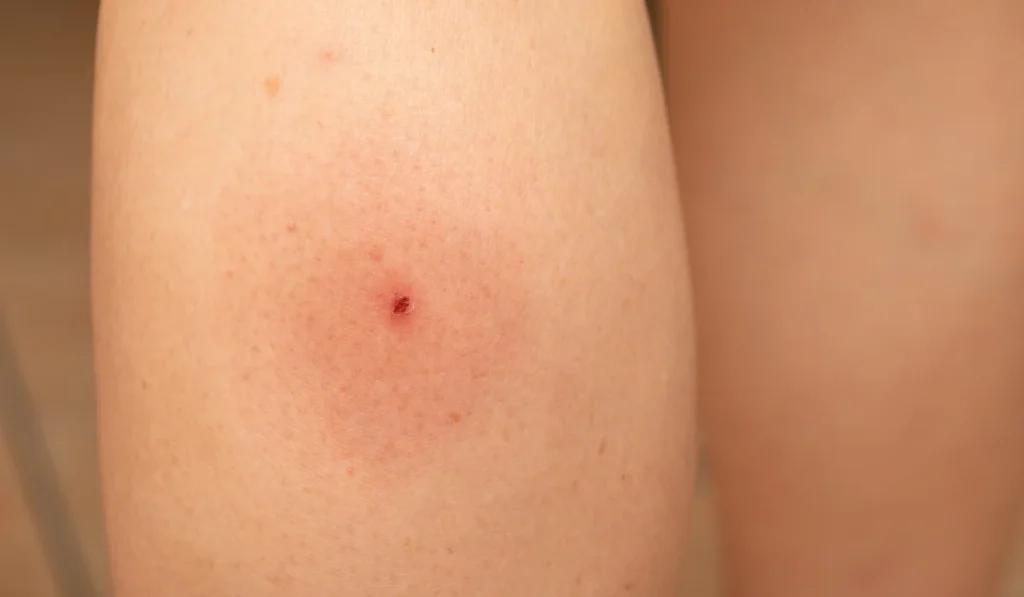
Knowing the signs of fleas helps you act sooner. Constant scratching, visible flea dirt, flea bites on the ankles, hair loss, and restless behavior all indicate a growing flea infestation.
Left untreated, flea infestations harm pets’ health and increase the risk of dermatitis and tapeworms. Once fleas are present throughout your home, home remedies alone rarely restore a flea-free environment.
Professional pest control removes fleas at all life stages and helps prevent repeat outbreaks.
Making the Right Flea Control Choice for Southern Pet Owners
Fleas can become a long-term issue when quick fixes no longer keep up with the problem. Taking action promptly helps limit damage to your pet and prevents the issue from spreading further in the home.
At Waynes Pest Control, we offer professional flea treatments designed for homes and pets throughout Alabama, Tennessee, Mississippi, and the Florida Panhandle.
Contact us today or request a free quote.
FAQs
Are home remedies effective for fleas in Alabama homes?
Home remedies may help early, but Alabama’s warm climate supports fleas year-round. Once fleas reach carpets and pet bedding, professional flea control is often needed to stop all life stages.
When should Tennessee dog owners call pest control for fleas?
If flea bites, flea dirt, or adult fleas keep appearing after using home remedies, it is time to call pest control. Fleas hide deep in homes and are hard to eliminate without professional help.
Can fleas survive year-round in the Florida Panhandle?
Yes. Fleas survive year-round in the Florida Panhandle due to mild winters. Ongoing flea prevention and pest control help keep homes and pets flea-free.